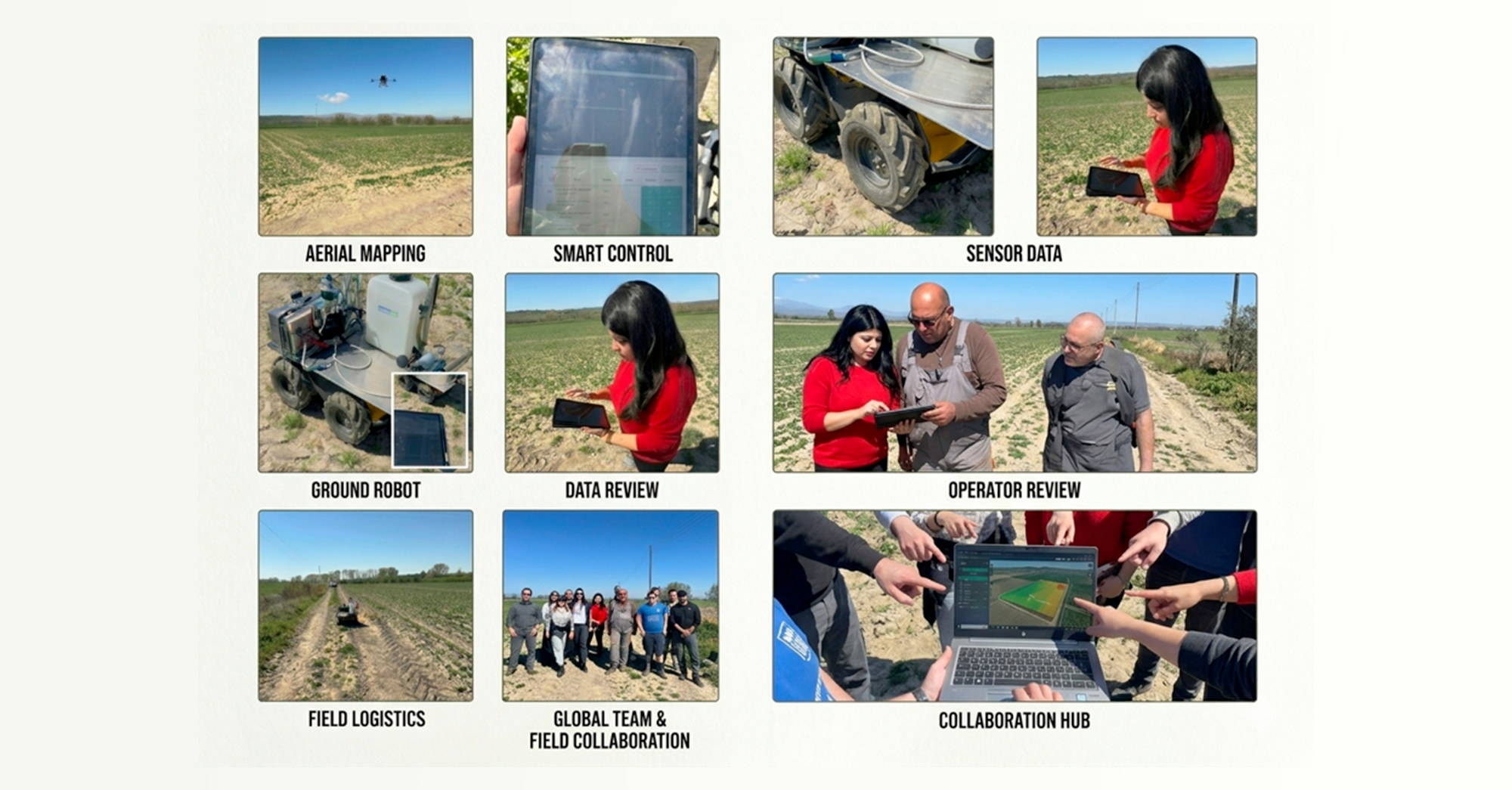


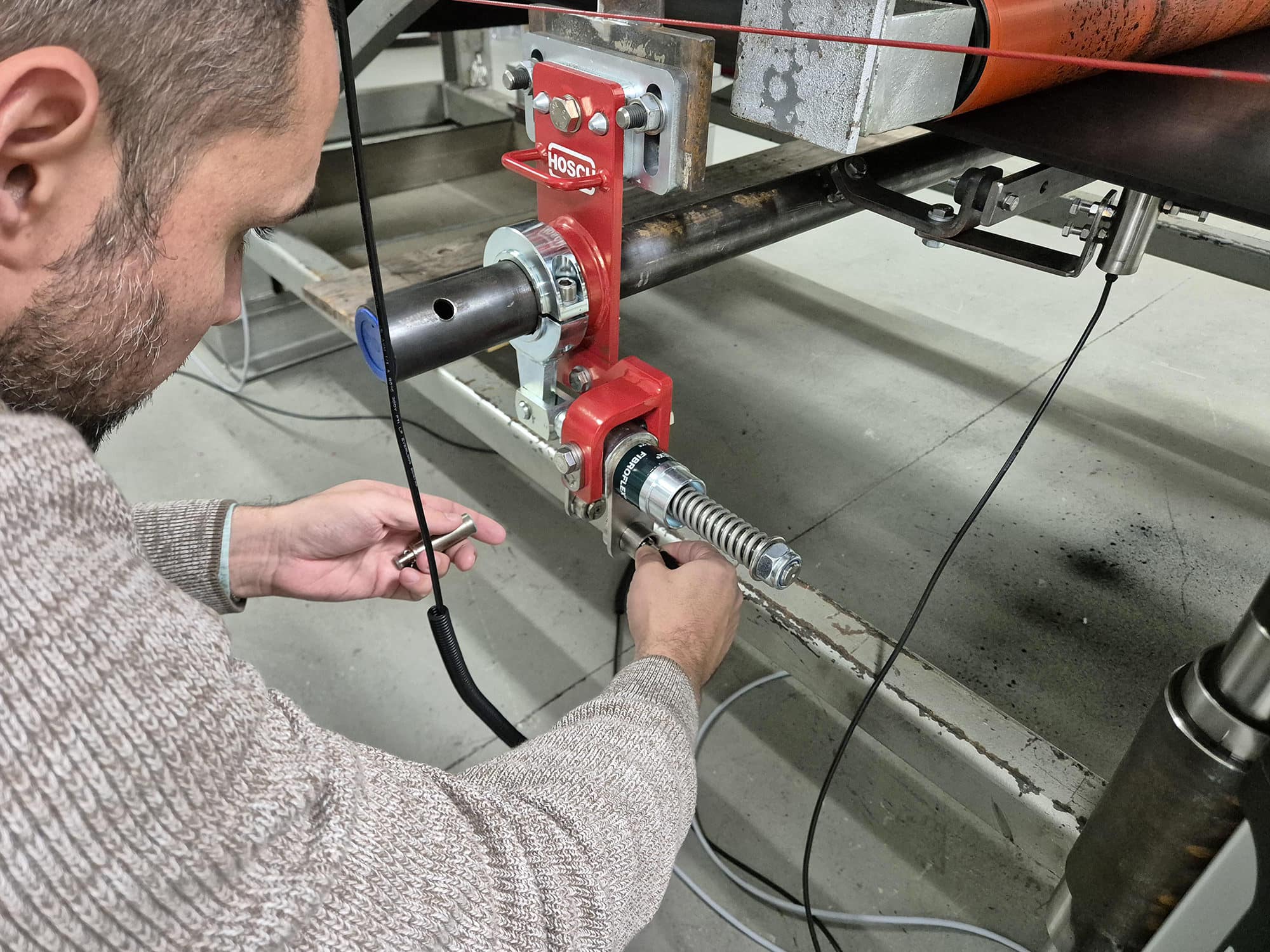
- Real-world piloting environments
Overview of the Clusters
The COP-PILOT project aims to engage a diverse range of real-world piloting environments across various sectors, ensuring that the open platform addresses actual and realistic use cases with direct impact. The platform is deployed, validated, and evolved under real conditions, reflecting the market needs for collaborative multi-domain environments with smart and automated service management capabilities.
Activities are organized into four clusters related to emerging vertical sectors, such as Industry (mining, manufacturing, recycling), Smart buildings/Smart city, Agriculture, and Energy Management, with cross-sector scenarios focusing on mobility and logistics.
Each cluster is composed of several use cases that capture key sector processes as well as the interactions across sectors. This structure is designed to showcase enhanced industrial cooperation, cross-sector applications, supply chain interactions, and the practical use of the platform framework across all clusters.
- CLUSTER 1
Business Integration in Mining
- Sweden (Norrbotten)
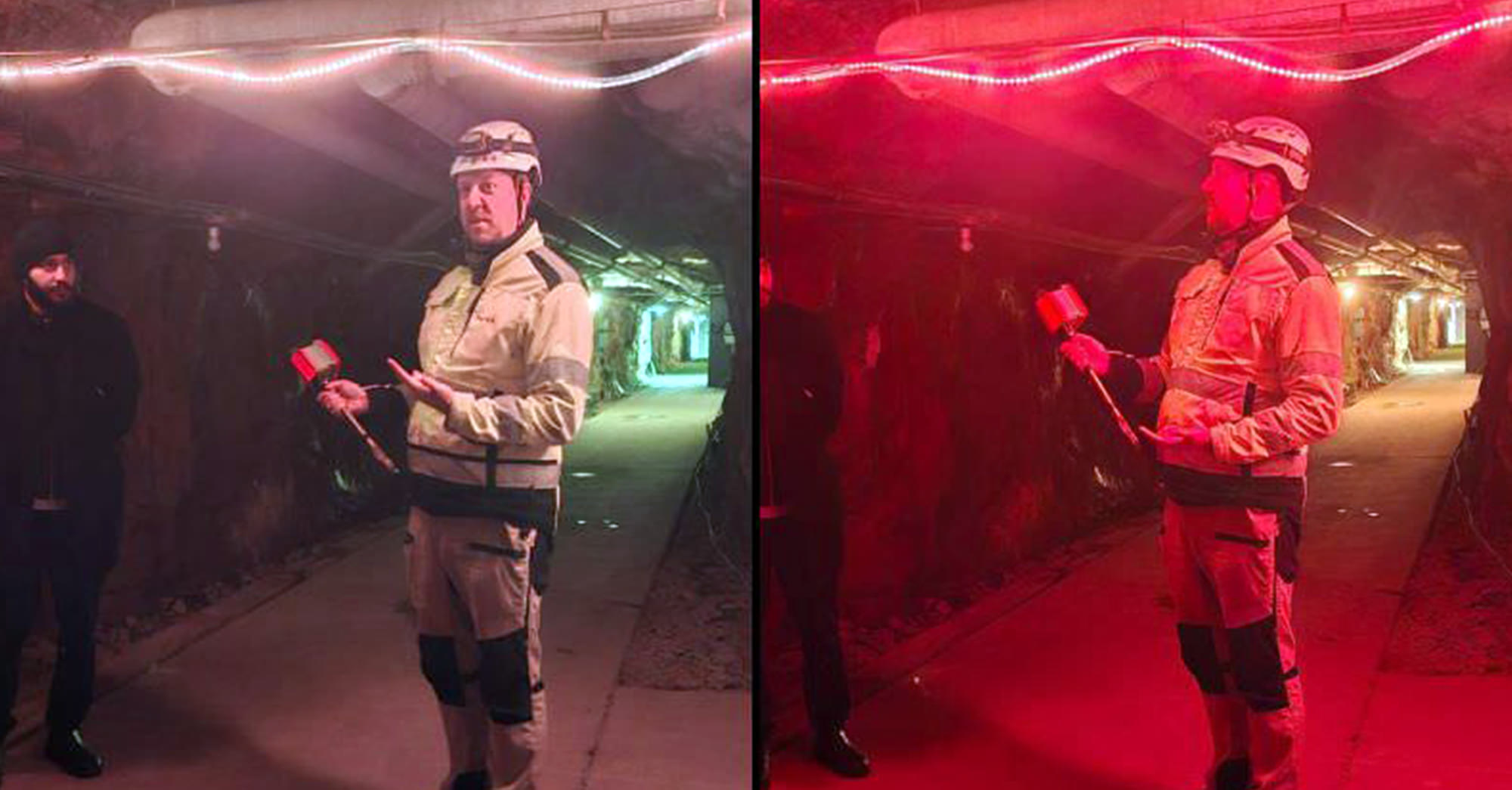
This cluster consists of a series of use cases deployed in Norrbotten, Kiruna, and Luleå, where each partner already has individual products operational with the customer. The cluster integrates information and computing platforms to unify data and analytics from three core areas:
- Real-time monitoring of logistic infrastructure.
- Rock seismic data collection and analytics.
- Production machinery data collection and predictive maintenance.
Integration across the four mining technology suppliers will be enabled by UC#1.4, leveraging the Edge-to-Cloud computing continuum.
- Use cases
UC#1.1
This use case focuses on large-scale micro-seismic sensing, data collection, and processing for underground mining. Significant financial incentives drive this effort, as demonstrated by a large seismic event that forced part of a mine to be closed, leaving ore worth billions of euros inaccessible.
UC#1.2
This use case addresses the monitoring challenges of critical infrastructure and logistics.
Key success factors include:
- Live asset tracking
- Accurate infrastructure data
- Decision support software.
UC#1.3
Ensuring uninterrupted material flow and logistics is vital for mining operations, particularly where limited or no stockpiles exist to buffer against unplanned downtimes within the logistics chain.
UC#1.4
The future of digital services in underground mining is evolving into a complex ecosystem of distributed hardware, low-power IoT devices, edge computing nodes (for minimal latency), and mission-critical data centres. This use case will act as the integration platform for UC#1.1 through UC#1.3, uniting their data and analytics streams for customers.
- Expected outcomes
A key outcome of this cluster will be a V&V-integrated Edge-to-Cloud computing continuum, incorporating both functional and computational orchestration along with management and engineering tooling support, including service security from edge to cloud (TRL6).
The integration of Eclipse Arrowhead and ColonyOS will enhance both internal and inter-partner collaboration, potentially reducing dependency on expensive commercial cloud infrastructure. Furthermore, the deployment of mobile or locally hosted high-performance computing (HPC) capabilities will deliver industrial-grade robustness and resilience, meeting the stringent demands of customers.
News
Events
Events
List of events in Photo View
-
bauma 2025
April 7, 2025 - April 13, 2025 -
2025 IEEE 8th International Conference on Industrial Cyber-Physical Systems (ICPS)
May 12, 2025 - May 15, 2025 -
Haus der Technik – 21st Conference Belt Conveyors and their Elements
May 20, 2025 - May 21, 2025 -
2025 IEEE International Conference on Cloud Engineering (IC2E)
September 23, 2025 - September 26, 2025 -
IMARC 2025
October 21, 2025 - October 23, 2025
Scientific Papers
Abstract
Relevance of the Paper to the COP-PILOT Project:
–
Authors
Johan Kristiansson; Ulf Bodin; Carl Borngrund; Jerker Delsing; Jesper Martinsson
Abstract
Abstract—Cyber-Physical Systems (CPS) powered by Artificial Intelligence (AI) have the potential to revolutionize industries by enabling advanced analytics and autonomous decision-making. To support resource-intensive applications, there is often a need to dynamically allocate additional compute resources. The Edge-Cloud Continuum enables allocation and deployment of workloads across platforms, including IoT devices, edge clusters, and cloud environments. However, the growing computational demands of these systems can unfortunately result in increased energy consumption and higher carbon emissions.
This paper investigates the development of a carbon-aware scheduler for the Edge-Cloud Continuum, designed to optimize workload placement by balancing energy consumption, temporal variations in carbon intensity, and resource availability. Key contributions of the paper include a spatiotemporal scheduling algorithm, a discrete-event simulator capable of replaying realistic workloads from the MIT SuperCloud dataset, and a comprehensive empirical evaluation.
Findings from the paper show substantial reductions in carbon emissions by prioritizing renewable energy sources and time shifting workloads to periods of lower carbon intensity. However, when clusters operate under high utilization, time-shifting can inadvertently result in significantly higher emissions. In such scenarios, simpler greedy algorithms can be more effective.
Relevance of the Paper to the COP-PILOT Project:
–
Publication
- 30 July 2025
Authors
Johan Kristiansson, Jerker Delsing, Thomas Ohlson Timoudas
- CLUSTER 2
Smart Sustainable IoT Solutions in Valencia
- Spain (Valencia)
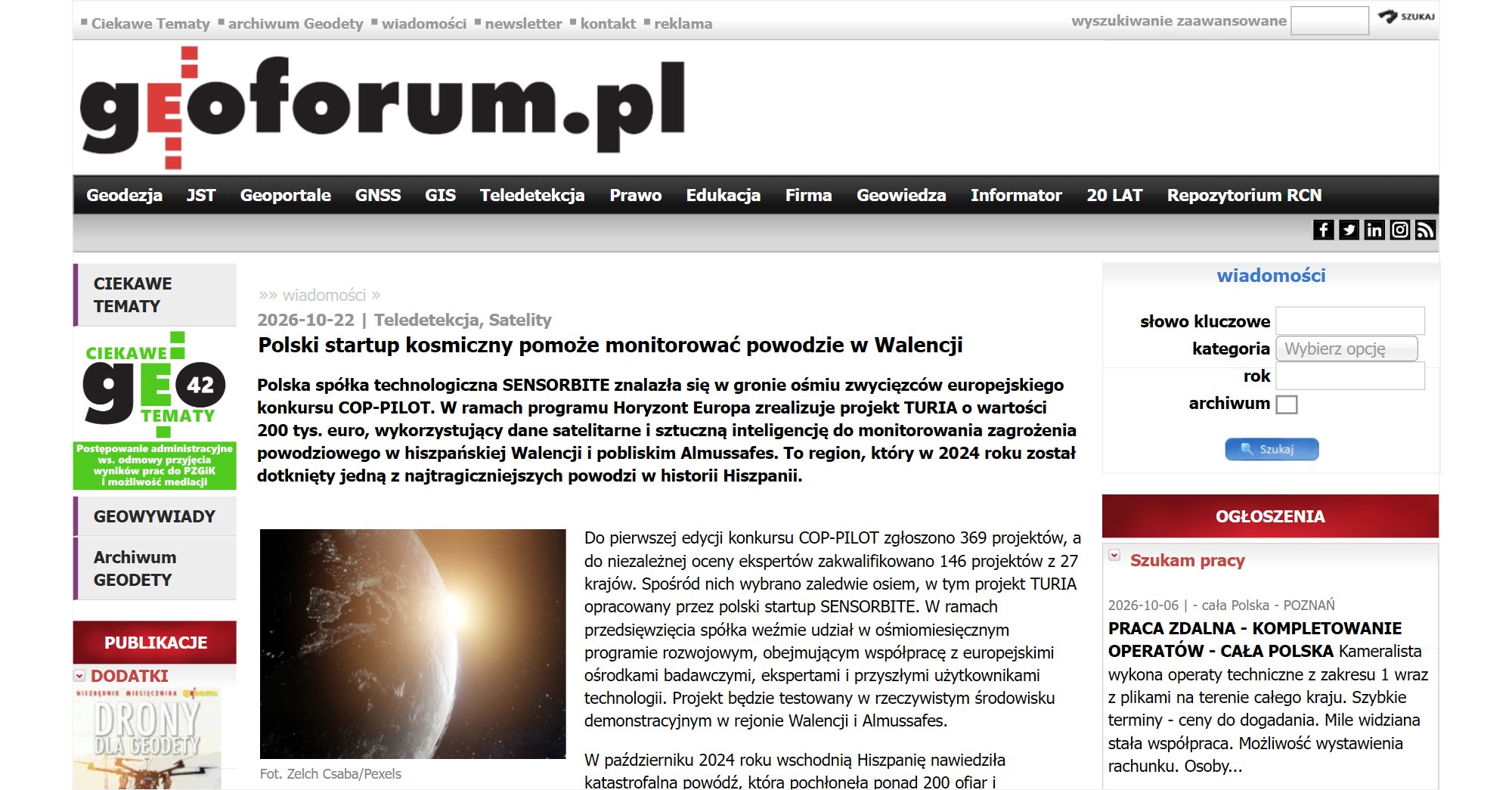
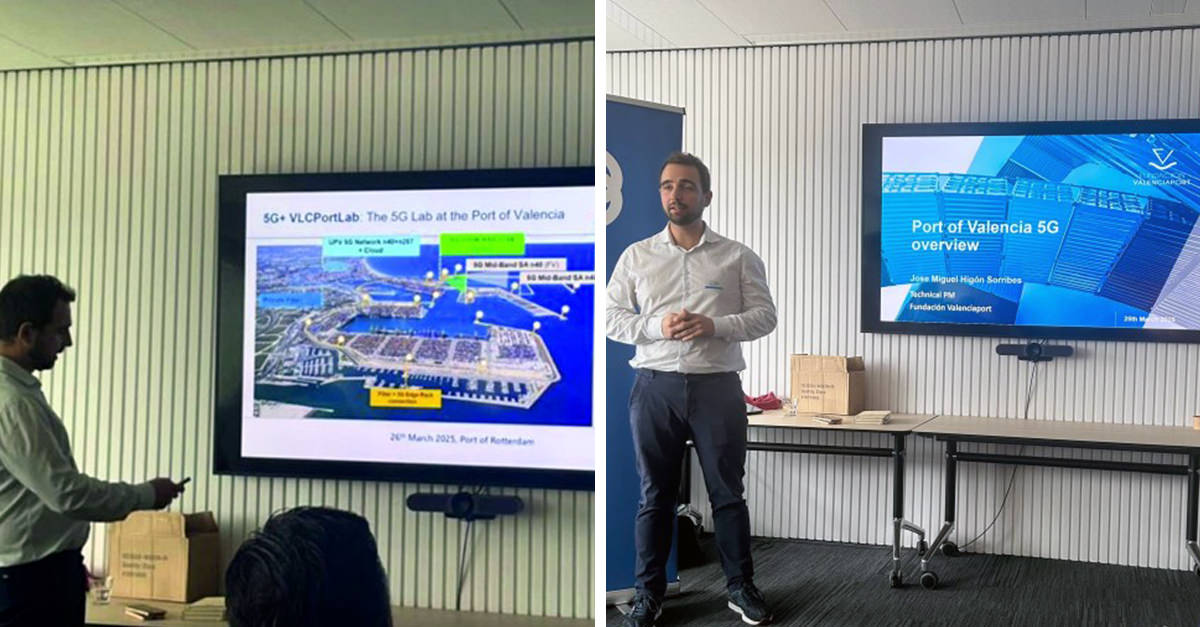
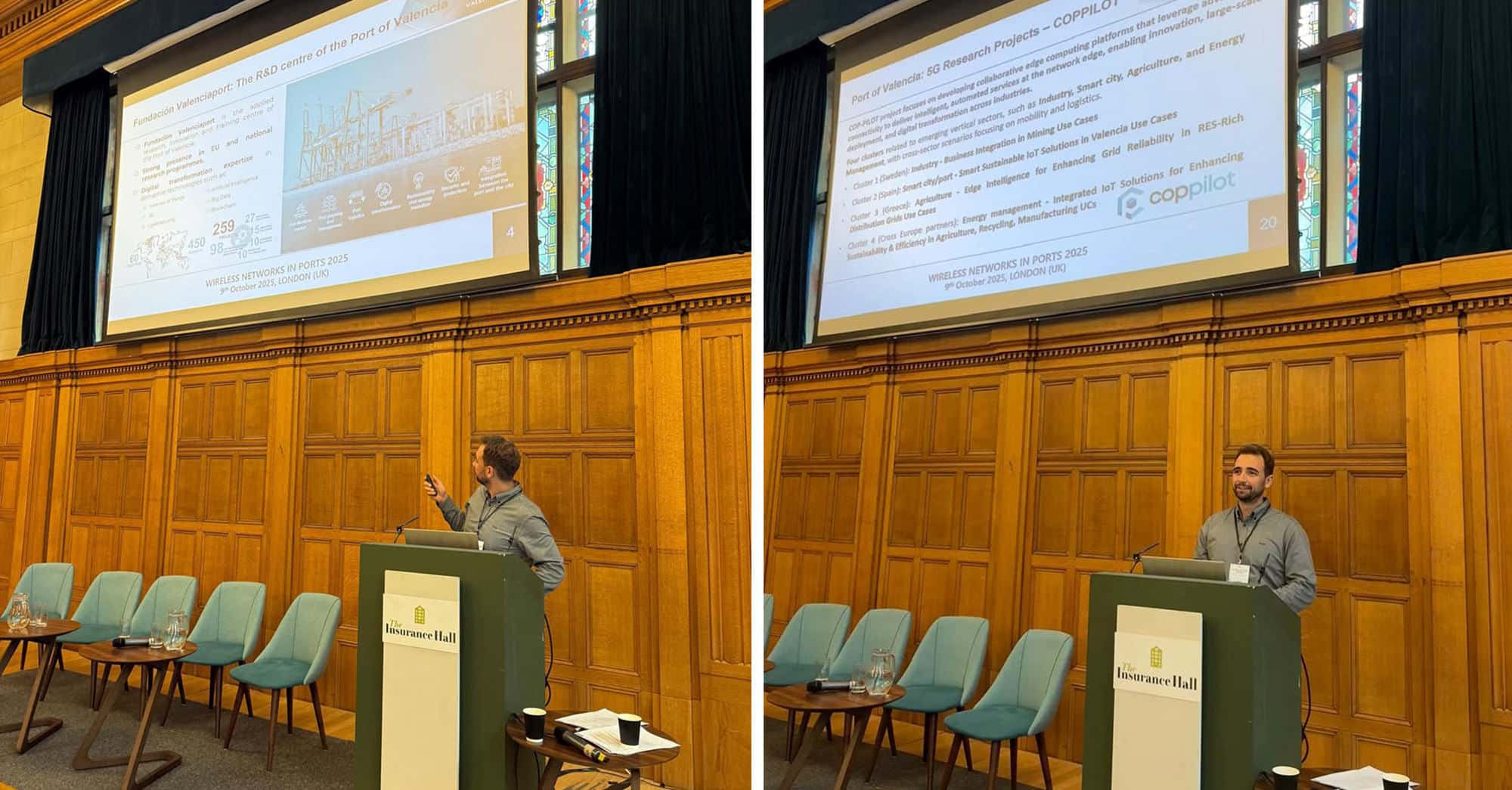
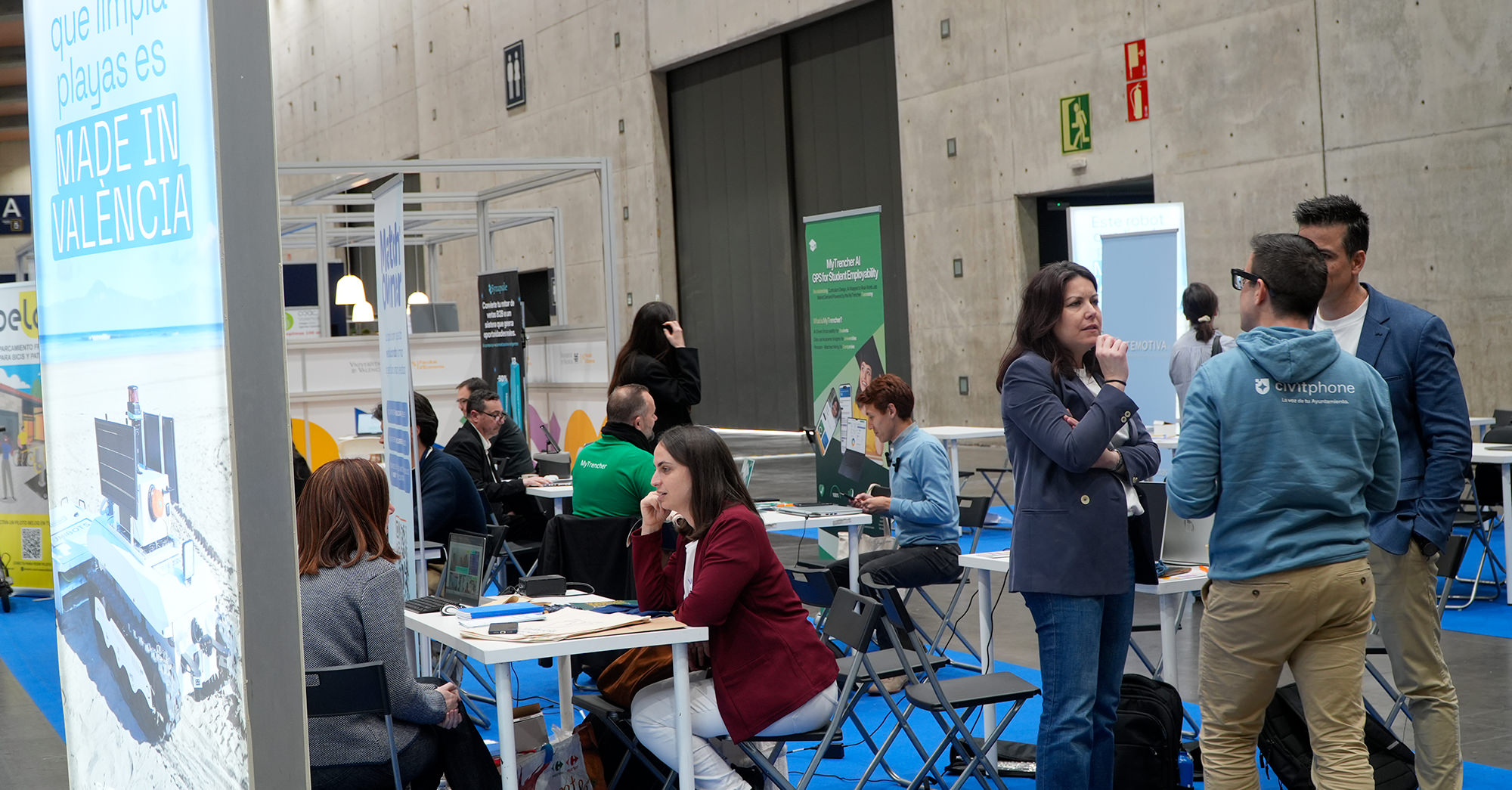
As the European Green Capital 2024, Valencia is piloting smart sustainable IoT solutions across several real-life environments to demonstrate and validate innovative use cases. The cluster includes: the city of Valencia, the Port of Valencia (Europe’s fifth-largest port by traffic volume and the leading port in the West Mediterranean for imports, exports, and transshipments), the industrial park of Almussafes; and the Universitat Politècnica de València (UPV) campus (a controlled smart city environment actively working towards carbon neutrality by 2030).
By deploying cloud-based smart IoT platforms with distributed intelligence, this cluster aims to collect and analyse data to drive AI-powered decisions for urban sustainability, energy optimization, and enhanced environmental quality. Large-scale trials of the three use cases will position Valencia as one of the most sustainable and connected smart cities.
- Use cases
UC#2.1
This use case is executed in collaboration with local authorities, including the city’s public bus transport company. Real-time monitoring of key urban areas in Valencia and the Almussafes Industrial Park will be achieved using sensors, radars, cameras, and other IoT devices. These data streams will facilitate AI-driven decision-making for improving sustainable mobility and environmental management. The Smart IoT Platform of Valencia will provide access to this data, with some of it exposed to third-party developers via open calls.
UC#2.2
At the UPV campus, IoT devices will monitor energy consumption, water usage, waste management, and environmental conditions, among other parameters, in real time. This data will be integrated into a smart IoT platform for analysis to identify patterns, trends, and opportunities for optimization. The goal is to support the campus in achieving net-zero carbon neutrality while testing sustainability-focused tools and mechanisms.
UC#2.3
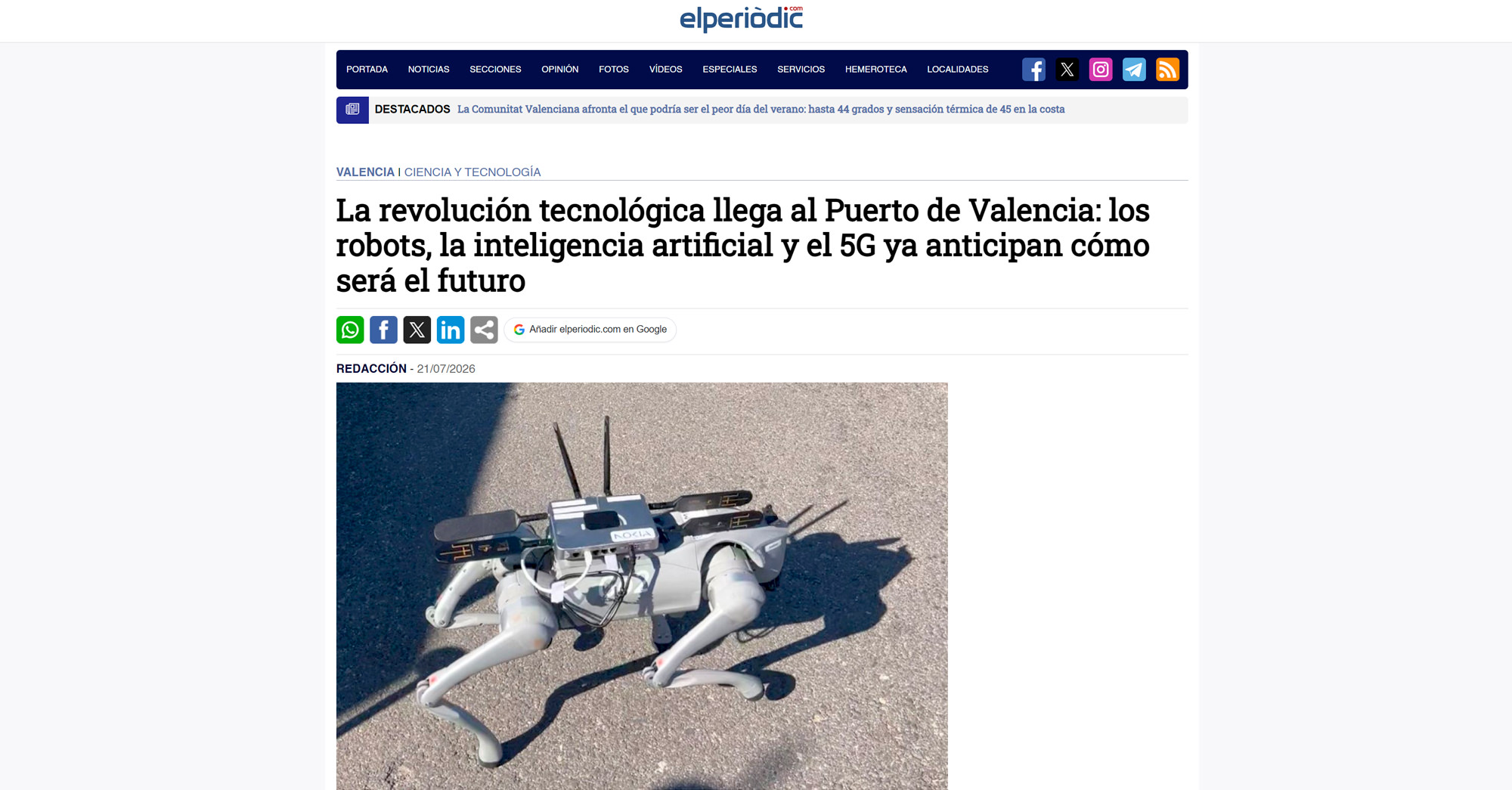
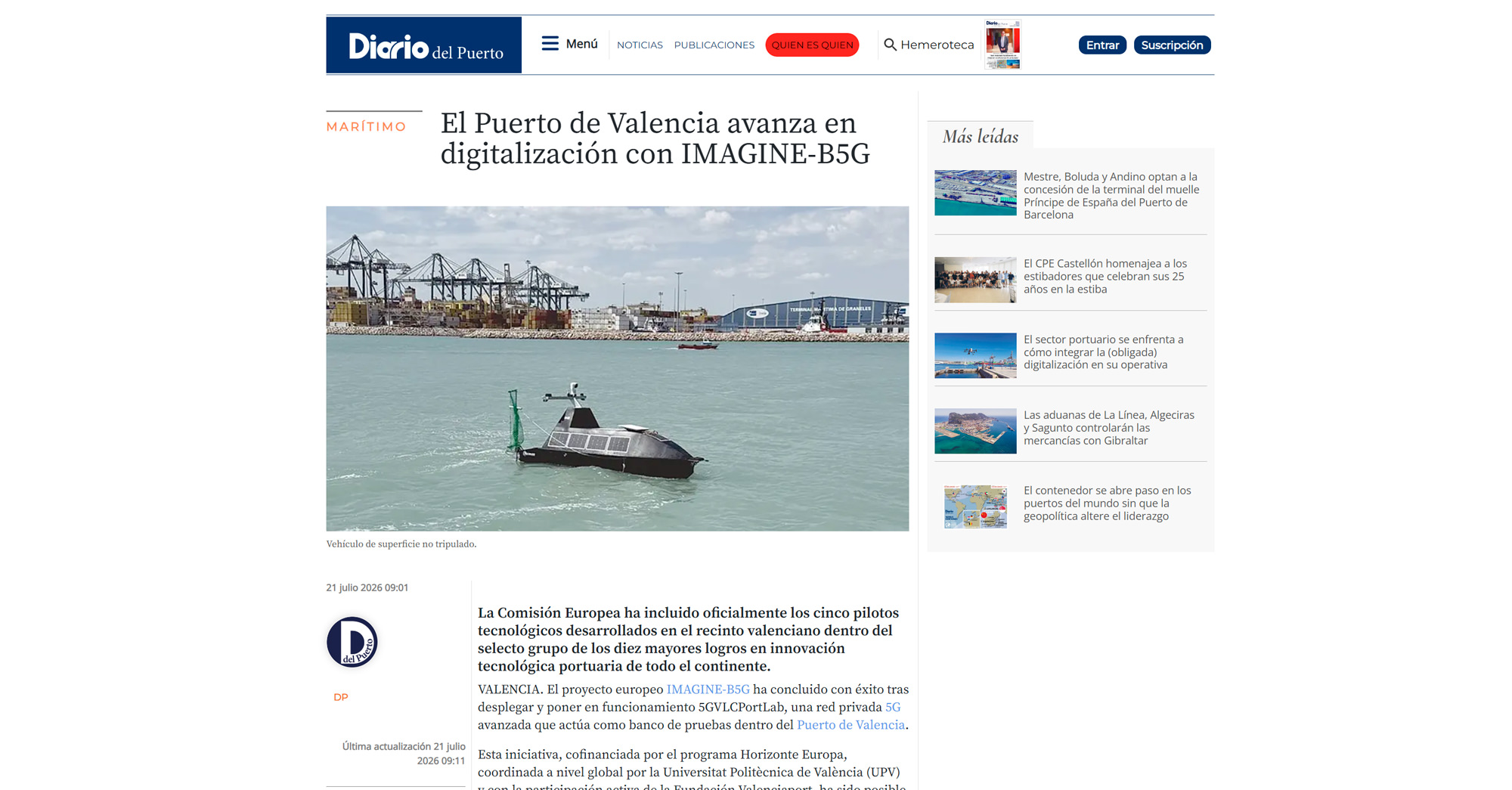
The Port of Valencia will serve as a testbed for managing maritime and terrestrial traffic. A smart IoT platform will be deployed to support precise maritime tracking, real-time risk assessment during berthing, and enhanced monitoring of truck movements. These advancements will aim to improve safety, operational efficiency, and sustainability.
- Expected outcomes
The cluster will implement smart IoT platforms with open interfaces to encourage third-party innovation and deploy a distributed edge-cloud continuum infrastructure to enable real-time AI/ML applications. It will drive the UPV campus toward its net-zero carbon neutrality goals, optimize maritime and terrestrial traffic at the Port of Valencia, and enhance mobility sustainability and environmental management across Valencia and the Almussafes Industrial Park. By improving safety, operational efficiency, and sustainability, the project will establish Valencia as a leader in smart, connected, and sustainable urban development.
News
Events
Events
List of events in Photo View
Scientific Papers
Abstract
Relevance of the Paper to the COP-PILOT Project:
Authors
Maria Crespo-Aguado, Lucía Martínez-Palomo, Nuria Molner, Arturo-José Torrealba-Ferrer, Jose-Miguel Higón-Sorribes, Carlos Blasco, Carlos Ravelo and David Gomez-Barquero
- CLUSTER 3A
AgriTech Transformation and Sustainability Initiative (ATSI)
- Greece (Central Macedonia Region)
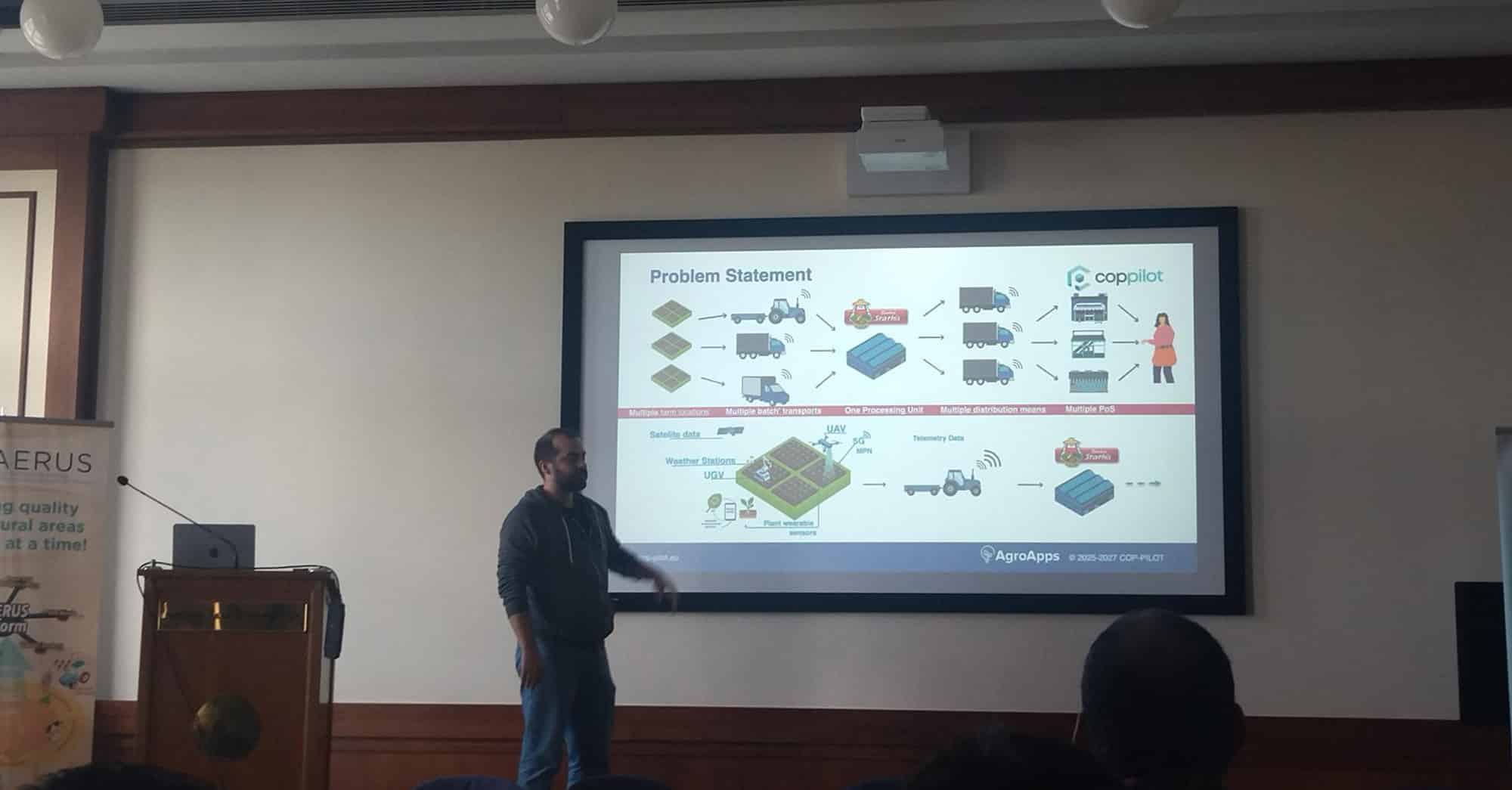
The AgriTech Transformation and Sustainability Initiative (ATSI) is a collaborative project aimed at revolutionizing agriculture through technologies like IoT, robotics, edge computing, and secure data management. Focused on precision farming, sustainable leafy vegetable production, and supply chain optimization, ATSI addresses challenges across the agricultural value chain to enhance market competitiveness and support economic growth. Key innovations include real-time crop monitoring, pest management, and Just-In-Time (JIT) logistics, powered by IoT networks, drones, agricultural robots, and blockchain. A multi-cloud platform and data lake ensure seamless data integration and analytics.
- Use cases
UC#3A.1
This use case utilizes IoT sensors, including plant wearables, for real-time monitoring of environmental conditions and crop health. UAVs and satellite imagery deliver accurate crop health assessments and detect pest infestations, enabling precise and timely interventions.
UC#3E.2
Autonomous UGVs with AI-powered edge processing are used for precision spraying and pest control. These Agrirobots leverage data from sensors and UAVs to execute sustainable interventions, minimizing chemical usage and improving farming efficiency.
UC#3E.3
A secure data framework utilizing encryption and blockchain technology safeguards data integrity and security throughout the agricultural value chain. A unified IoT network and multi-cloud orchestration platform enable seamless communication, interoperability, and data sharing across systems.
UC#3A.4
Smart JIT logistics leverage AI algorithms and real-time IoT data for route optimization and advanced tracking. This allows dynamic adjustments to operations, ensuring efficient delivery of agricultural products, minimizing waste, and reducing environmental impact.
- Expected outcomes
ATSI seeks to revolutionize conventional farming by making it more efficient and sustainable. The adoption of automated, real-time monitoring will enhance precision agriculture, increase crop yields, and minimize resource consumption. The initiative connects disparate data sources into a unified, secure platform, promoting collaboration and maintaining data integrity. Smart JIT logistics, powered by blockchain, streamline supply chains, cut costs, and reduce environmental impact. By utilizing AI-driven analytics, ATSI empowers data-driven decision-making, driving improvements in operational efficiency and sustainability throughout the agricultural industry.
News
Events
Events
List of events in Photo View
-
-
-
ANUGA
October 4, 2025 - October 8, 2025 -
-
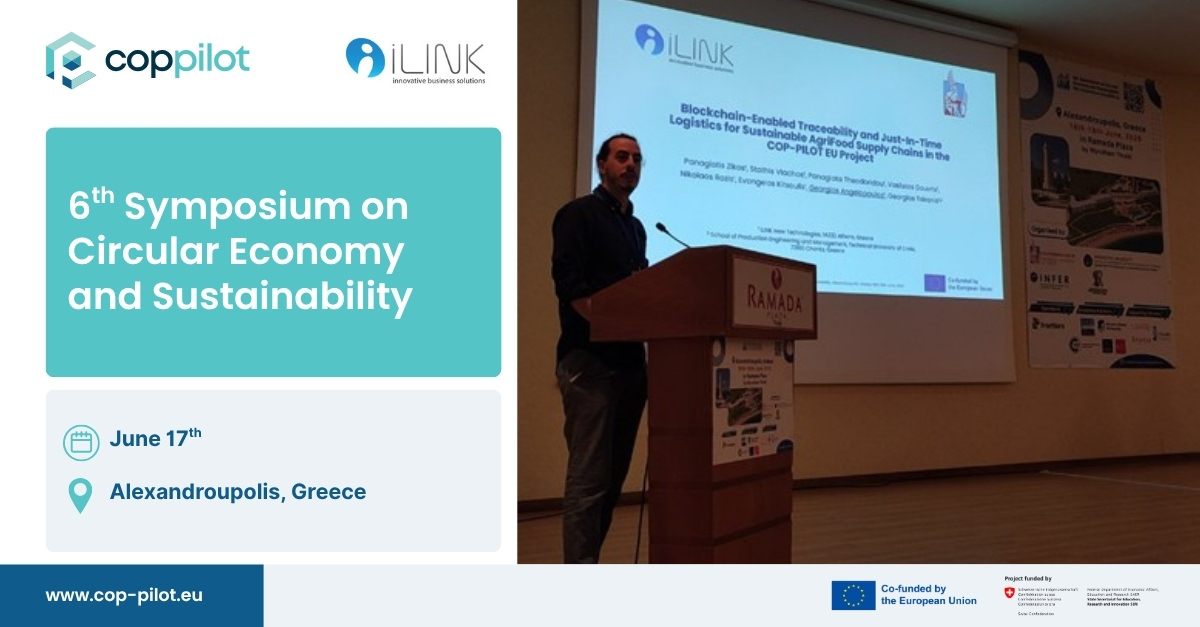
Agrifood Innovation Workshop during Festival dell’Innovazione Agroalimentare
November 10, 2025 - November 13, 2025
Scientific Papers
Abstract
The monitoring of oxygen in food packaging during storage and transportation is crucial in food quality surveillance, warning users regarding food spoiling, happening through compound oxidation and aerobic microorganism proliferation. In this overall scenario, we report the development of a
flexible, cost-effective, and Bluetooth-assisted electrochemical sensor for oxygen detection in food packaging. The device encompasses three layers, namely a zinc sheet as an anode, a conductive silver
ink printed on an oriented polypropylene sheet serving as a cathode, and a deep eutectic solvent deposited on a paper-based substrate sandwiched between both electrodes. The sensing tool provided a wide linear range for oxygen detection up to 20.9 O 2 % v/v with good intra-electrode
repeatability (RSD % = 0.02 %). Finally, the developed device was integrated with a 3D printed holder and tested for oxygen detection in packages containing mushrooms, tomatoes, and broccoli samples,
obtaining a good correlation with the reference method. This study opens noticeable possibilities for employing paper-based metal-air batteries in the detection of specific target analytes, by integrating
paper substrate and metal-based batteries delivering smart and self-powered instruments as reliable and accurate analytical tools.
Relevance of the Paper to the COP-PILOT Project:
The study carried out in this paper provides valuable insight into the use of Bluetooth-based and wireless sensing platforms. Specifically, this technology will be utilized in the framework of the COP-PILOT project to develop a Bluetooth-assisted electrochemical sensor for plant health monitoring.
Furthermore, with the investigation performed during this work, we dealt with the agrifood field, and specifically with the monitoring of parameters related to vegetables, laying the groundwork for the development of a wearable electrochemical sensor for monitoring (anti)nutrients in plants. This is strictly related to the COP-PILOT project, following the Use Cases, and to fulfill the Expected Outcomes related to Cluster 3A.
This is an open access article under the CC BY license http://creativecommons.org/
Authors
Achref Chebil, Vincenzo Mazzaracchio, Leonardo Duranti, Ludovica Gullo, Fabiana Arduini
Abstract
In 2023, the World Economic Forum selected wearable plant sensors as one of the Top 10 Emerging Technologies, demonstrating that these smart analytical tools will be relevant in the next generation of agrifood practices. Considering the robustness, accuracy, and miniaturisation of electrochemical (bio)sensing tools, electrochemical-based plant sensors could be suitable devices to address the requirements for their advanced applications in the agrifood sector. This review deals with electrochemical (bio)sensors for monitoring agrochemicals , phytohormones, growth precursors, and stress biomarkers, using wearable and implantable configurations. The design and type of biocomponent and/or nanomaterial(s) used are reported, highlighting the analytical performances obtained on plants. The ongoing application of these analytical tools is discussed, and the future applications combined with Internet of Thing and Artificial Intelligence are envisioned, with the overriding aim to give an overall scenario related to plant electrochemical (bio)sensors for the next technologies in the agrifood sector.
Relevance of the Paper to the COP-PILOT Project:
This review paper focuses on the state-of-the-art in wearable and implantable electrochemical biosensors for monitoring plant health, including agrochemicals, phytohormones, and stress biomarkers. The insights from this research are crucial for one of COP-PILOT’s key objectives in Cluster 3A, which is to develop a wearable electrochemical sensor for monitoring antinutrients in leaves. The study provides essential knowledge for the development of our sensing device, including its implementation and integration with our cluster partners, enabling us to create a reliable and innovative analytical tool for plant health monitoring.
This is an open access article under the CC BY license http://creativecommons.org/
Authors
Narjiss Seddaoui, Fabiana Arduini
Relevance of the Paper to the COP-PILOT Project:
The paper focuses on developing an analytical platform that combines sample treatment with an electrochemical biosensor to measure phytic acid in spinach leaves. It strictly aligns with the COP-PILOT project (Cluster 3A), providing insights into creating a sensor to quantify a nutritional marker for assessing crop health and quality (Use Cases #3A). Additionally, the use of a wireless portable system enables integration with IoT technology for real-time environmental and crop health monitoring.
Authors
Ludovica Gullo, Igor Gabriel Silva Oliveira, Achref Chebil, Luca Fiore, Silvia Maria Martelli, Willyam Róger Padilha Barros, Fabiana Arduini
- CLUSTER 3E
Edge Intelligence for Enhancing Grid Reliability in RES-Rich Distribution Grids
- Greece (Preveza, Patras)
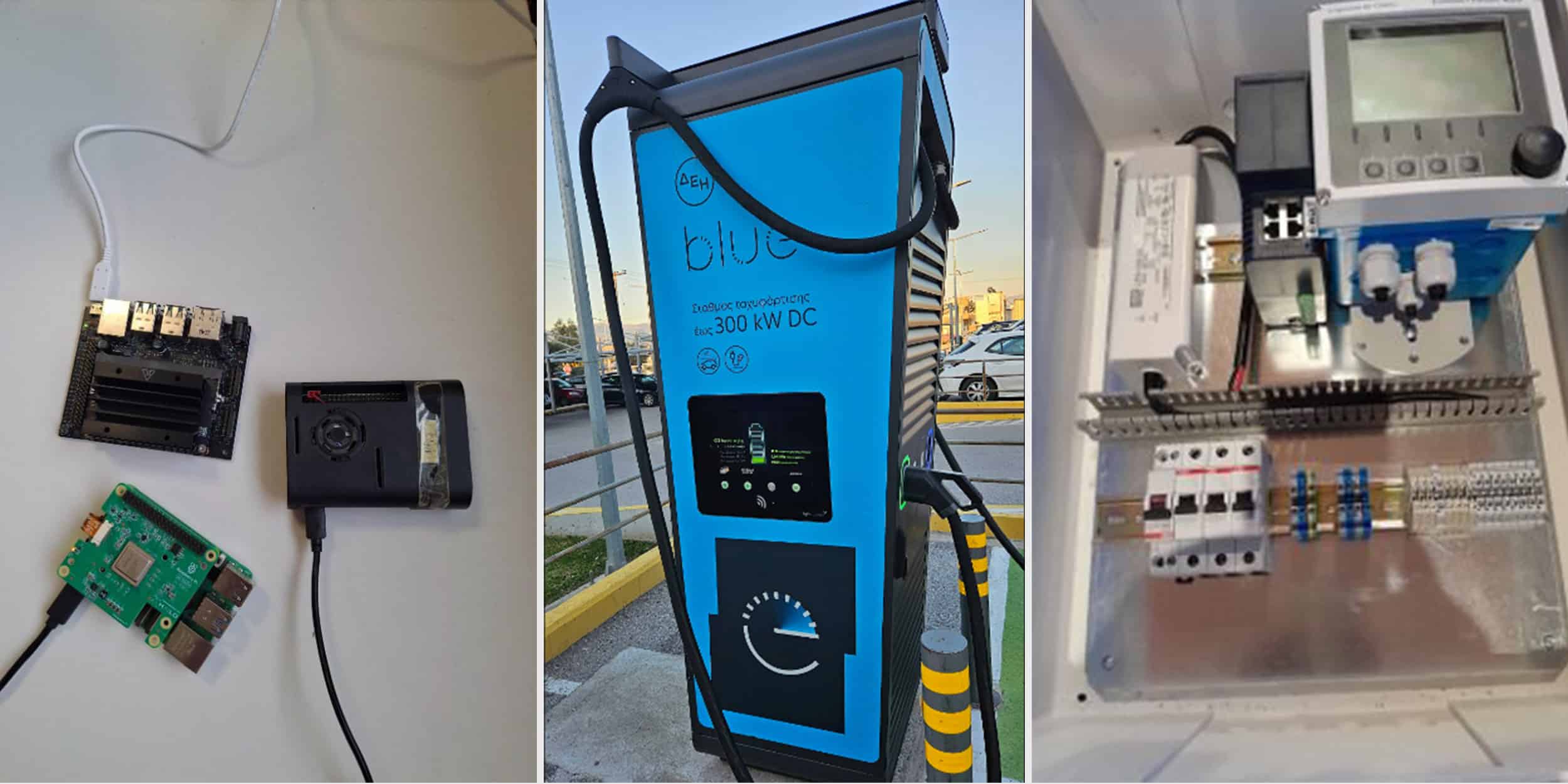
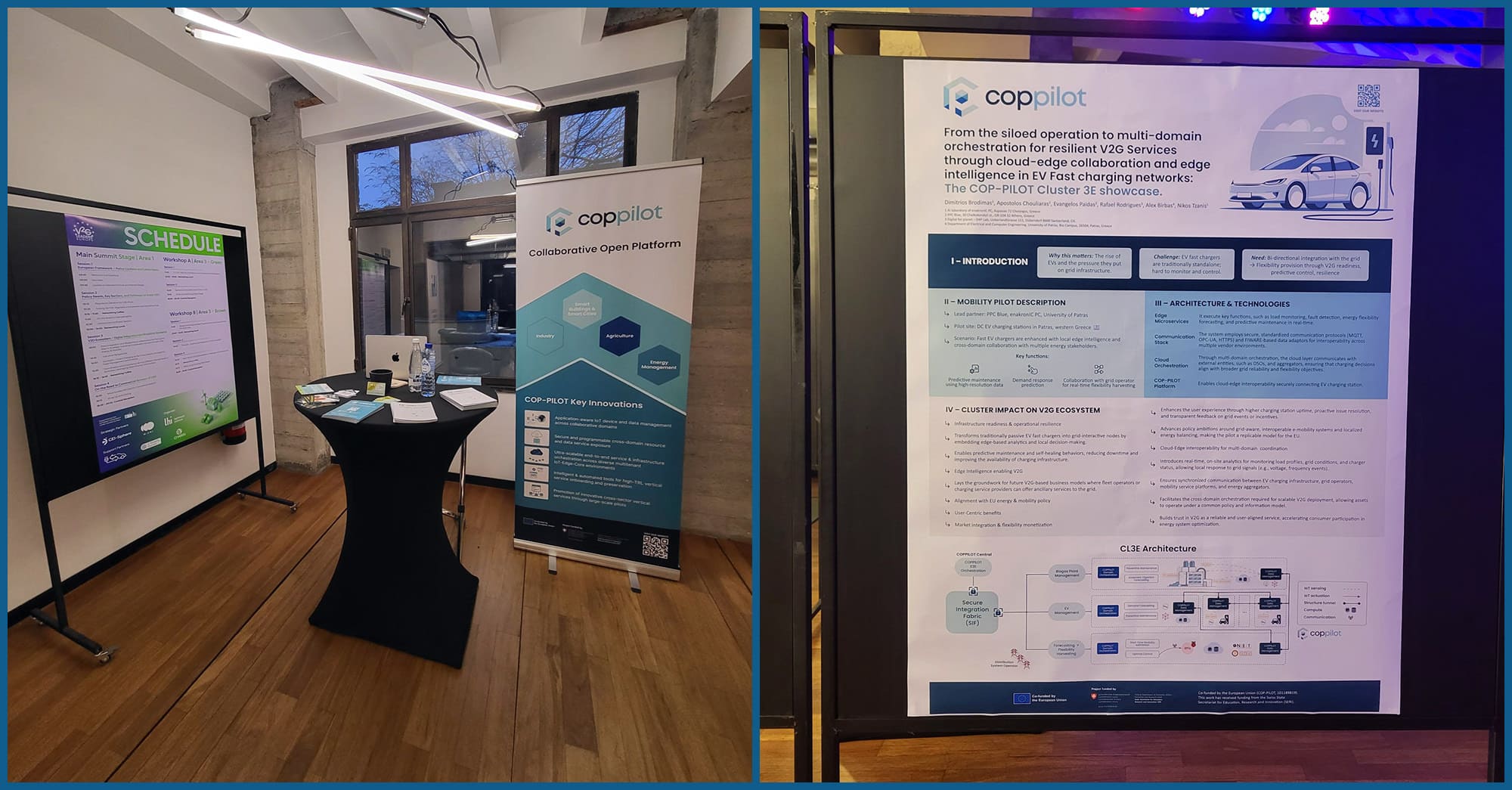
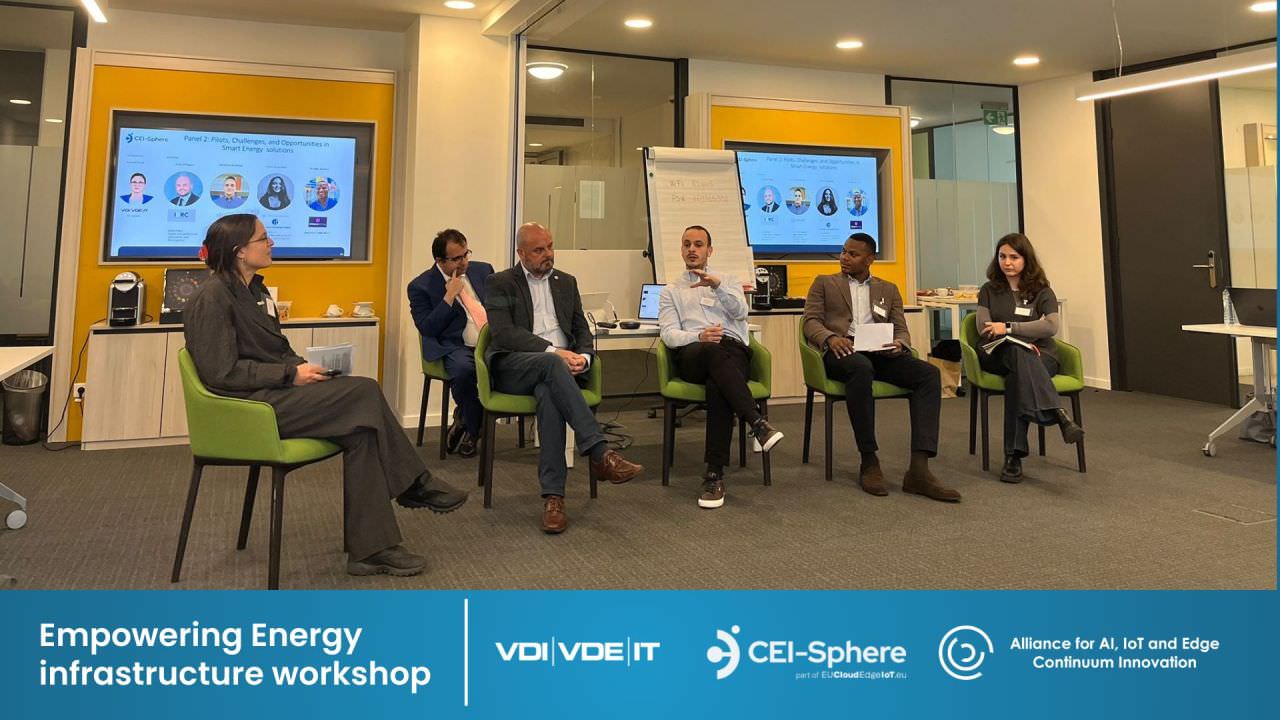
The growing demand for clean electricity with low or zero carbon footprints has shifted electricity networks from passive, centralized systems with unidirectional power flows to active, decentralized grids with bidirectional power flows. However, high penetration of Distributed Energy Resources (DERs), such as PV and biomass power plants, or flexible loads like EV chargers and behind-the-meter (BTM) loads, introduces challenges. These include line congestion, overvoltage, thermal limit violations, short-circuit failures, and harmonic emissions, all exacerbated by the stochasticity of DERs and climate change impacts. This cluster focuses on increasing grid reliability in Renewable Energy Source (RES)-rich and cross-sector-coupled distribution grids. The implementation occurs in the Preveza area, featuring biogas and photovoltaic (PV) production units connected to the distribution grid. An Aggregator (DEI) supports this system, managing electric vehicle (EV) charging stations, residential and commercial smart meter customers, and local highways. An Energy Producer (BPO) produces green energy from biomass, providing flexible services to grid operators.
The cluster utilizes extensive IoT installations and smart metering to gather energy data, which is integrated with external data sources (e.g., weather, market prices, transport data). Through advanced edge-residing analytics, the system enables flexibility via demand response (DR), adjusts DER production or consumption, optimizes costs for stakeholders, and ensures grid reliability.
- Use cases
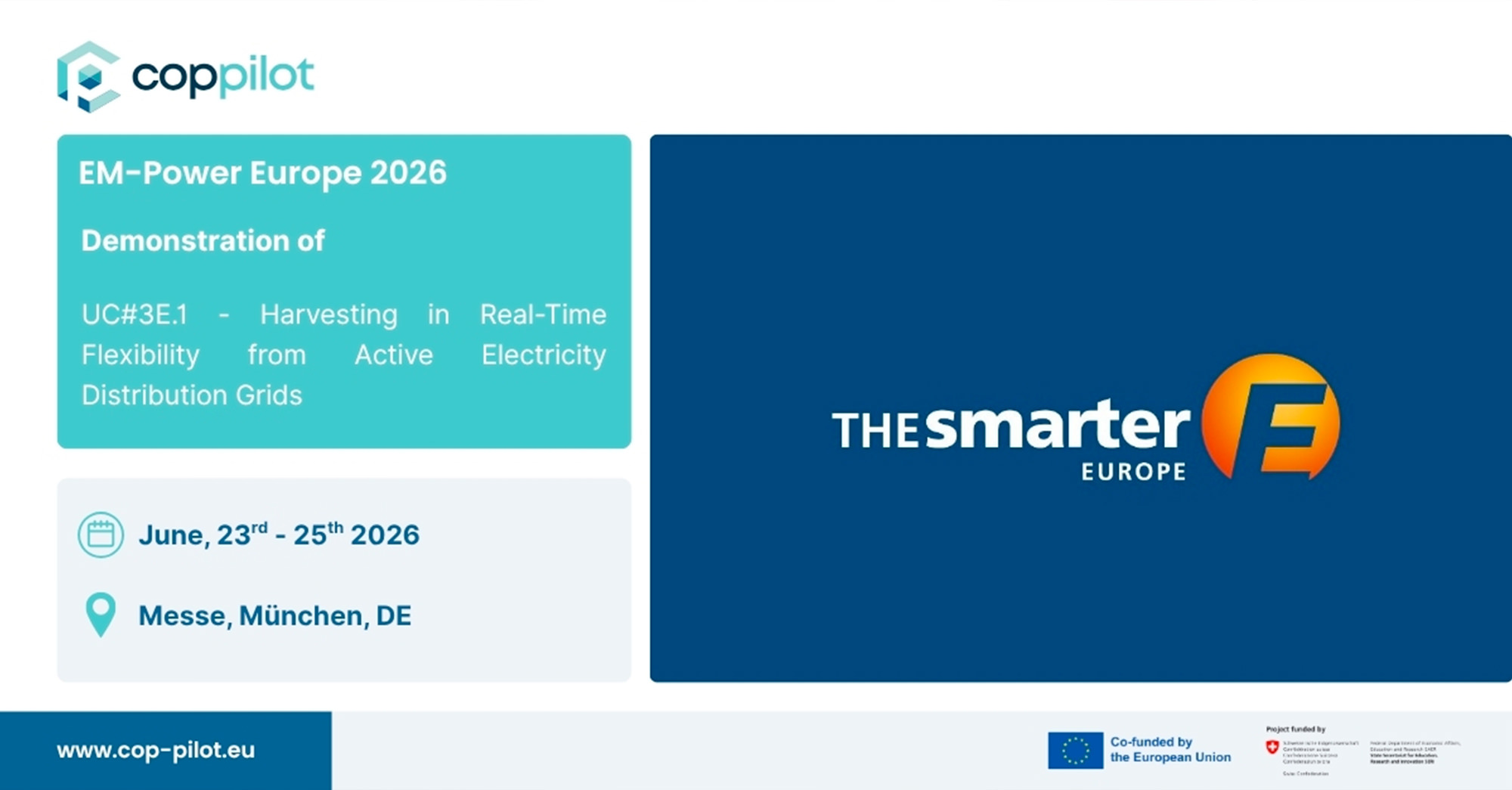
UC#3E.1
This use case involves developing a cloud-edge platform for real-time flexibility harvesting. The platform will provide two primary services: Real-time Estimation of Flexibility and Optimal Control for Flexibility Provision.
UC#3E.2
As EV adoption increases, fast-charging stations become essential for meeting mobility demands. This use case promotes charger reliability by leveraging predictive maintenance and resource optimization to prevent unexpected breakdowns. The integration of two services – Hours-Ahead and Day-Ahead Forecasting and Edge Intelligence for Predictive Maintenance for preventing unexpected breakdowns and maximizing charger uptime – aims to improve user experiences.
UC#3E.3
To enhance the reliability of electricity grids, the efficient operation of anaerobic digestion processes in biogas plants is critical. This use case implements a predictive maintenance and monitoring system featuring: Digital Twin Model, Predictive Maintenance, Real-time Process
- Expected outcomes
This pilot will enable IoT-driven control of RES production, biogas plant electricity generation, and EV charging profiles. It will optimize electricity resource utilization to provide real-time flexibility services while ensuring proactive maintenance to prevent unexpected breakdowns and maximize charger uptime. Additionally, it will leverage real-time data monitoring and predictive analytics to forecast electricity production from the biogas plant accurately, integrating biogas energy into the grid effectively to enhance overall reliability.
News
Events
Events
List of events in Photo View
-
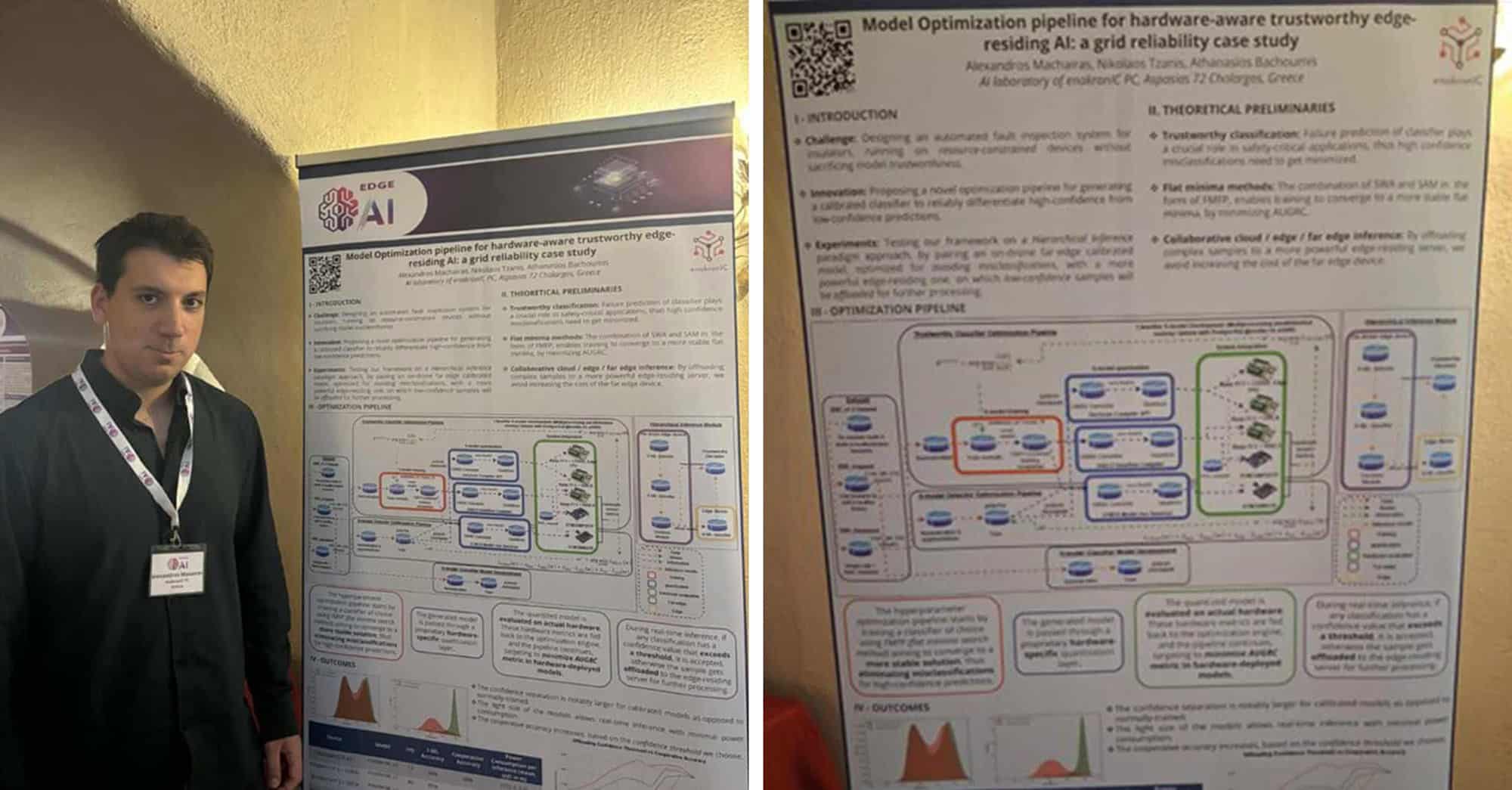
European Conference on EDGE AI Technologies and Applications EEAI 2025
October 20, 2025 - October 22, 2025 -
Scientific Papers
- CLUSTER 4
Smart Vineyards & Sustainable Winery Ecosystems
- Cross Europe
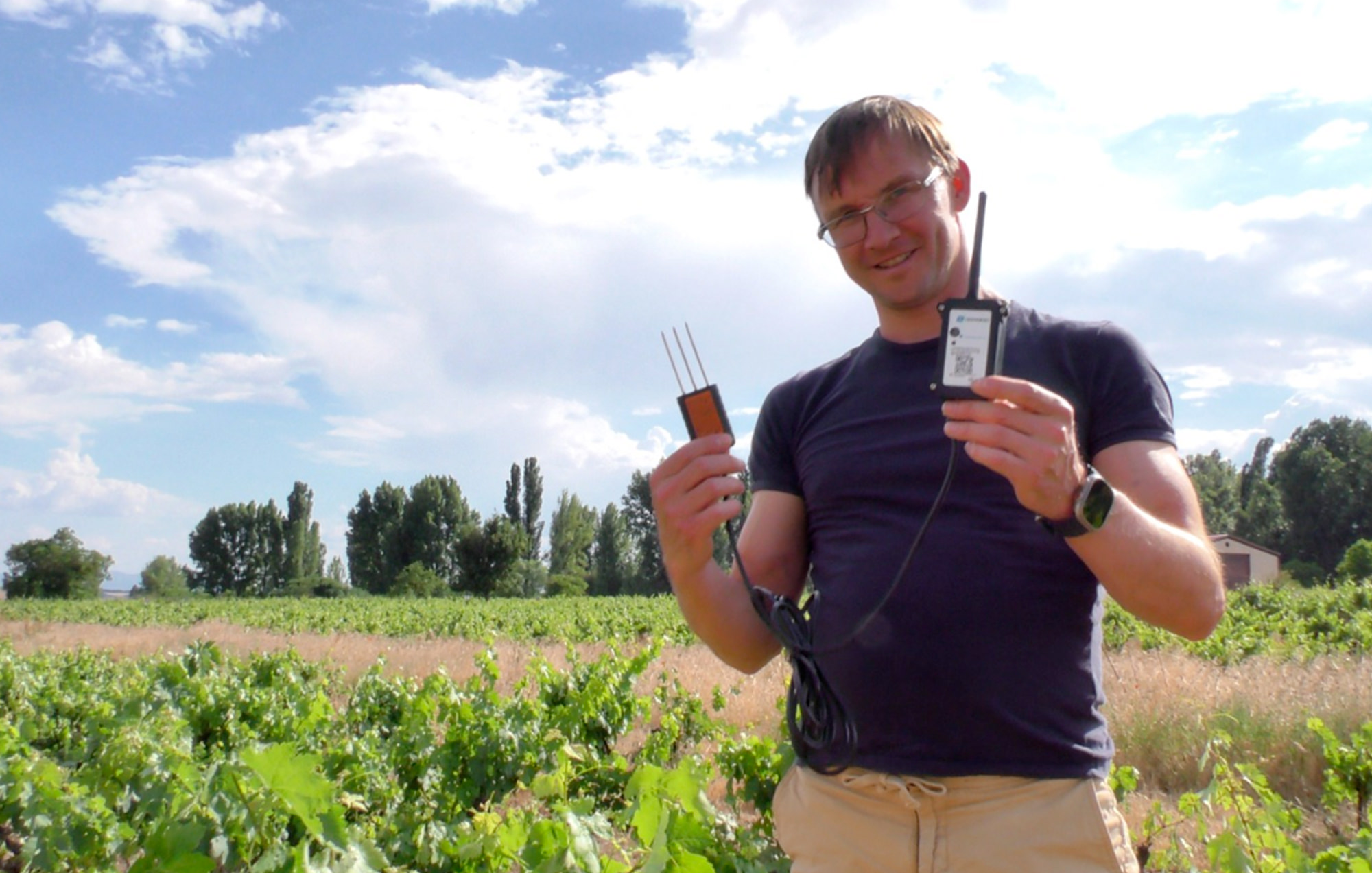
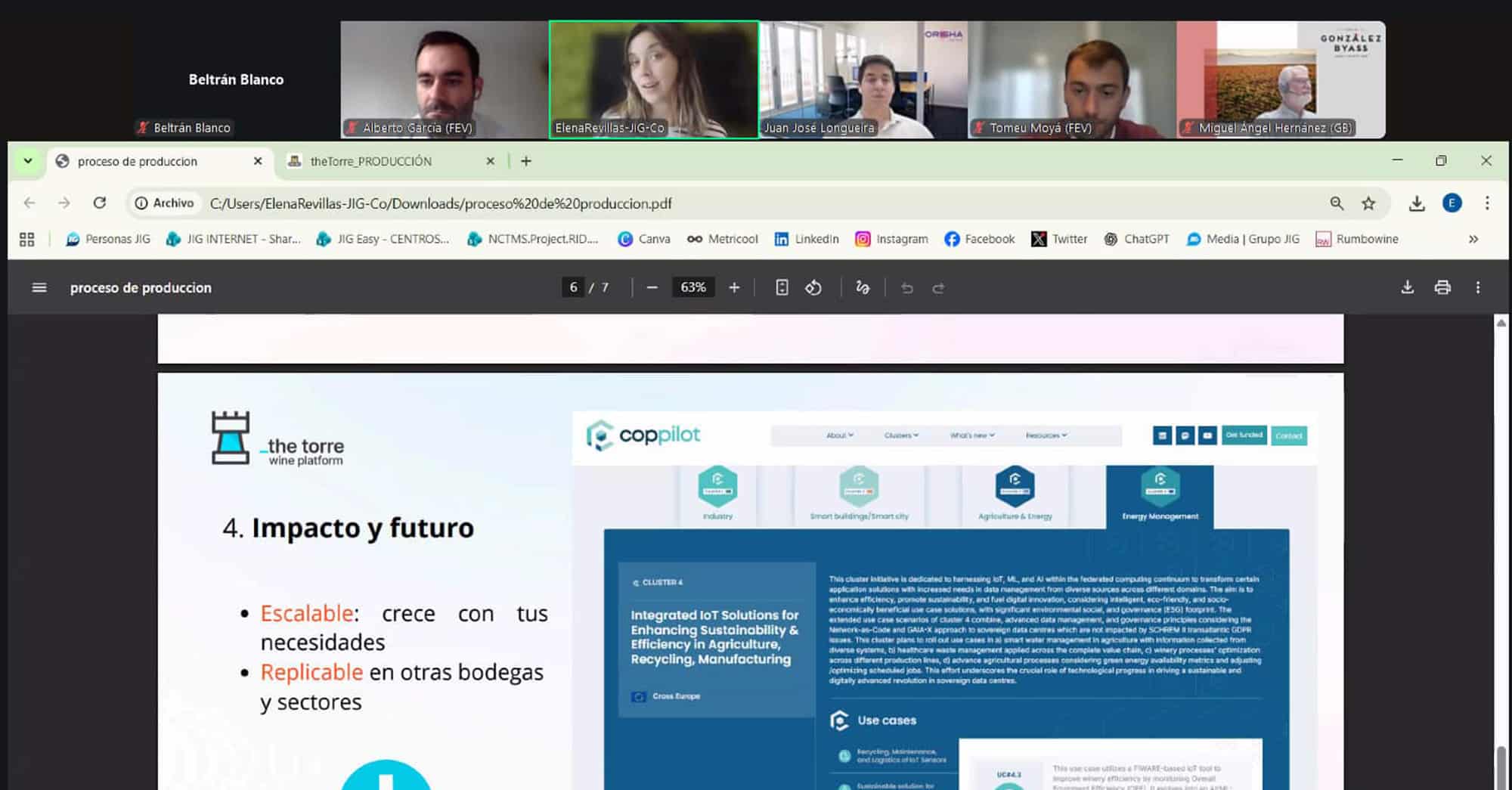
This cluster initiative is dedicated to harnessing IoT, ML, and AI within the federated computing continuum to transform certain application solutions with increased needs in data management from diverse sources across different domains. The aim is to enhance efficiency, promote sustainability, and fuel digital innovation, considering intelligent, eco-friendly, and socio-economically beneficial use case solutions, with a significant environmental, social, and governance (ESG) footprint. The extended use case scenarios of Cluster 4 combine advanced data management and governance principles, considering the Network-as-Code and GAIA-X approach to sovereign data centres, which are not impacted by SCHREM II transatlantic GDPR issues. This cluster plans to roll out use cases in smart vineyards and sustainable winery ecosystems. This effort underscores the crucial role of technological progress in driving a sustainable and digitally advanced revolution in sovereign data centres.
- Use cases
UC#4.1
This use case focuses on logistics, maintenance, and recycling of reusable IoT sensors within the wine value chain, promoting sustainability and operational efficiency.
UC#4.2
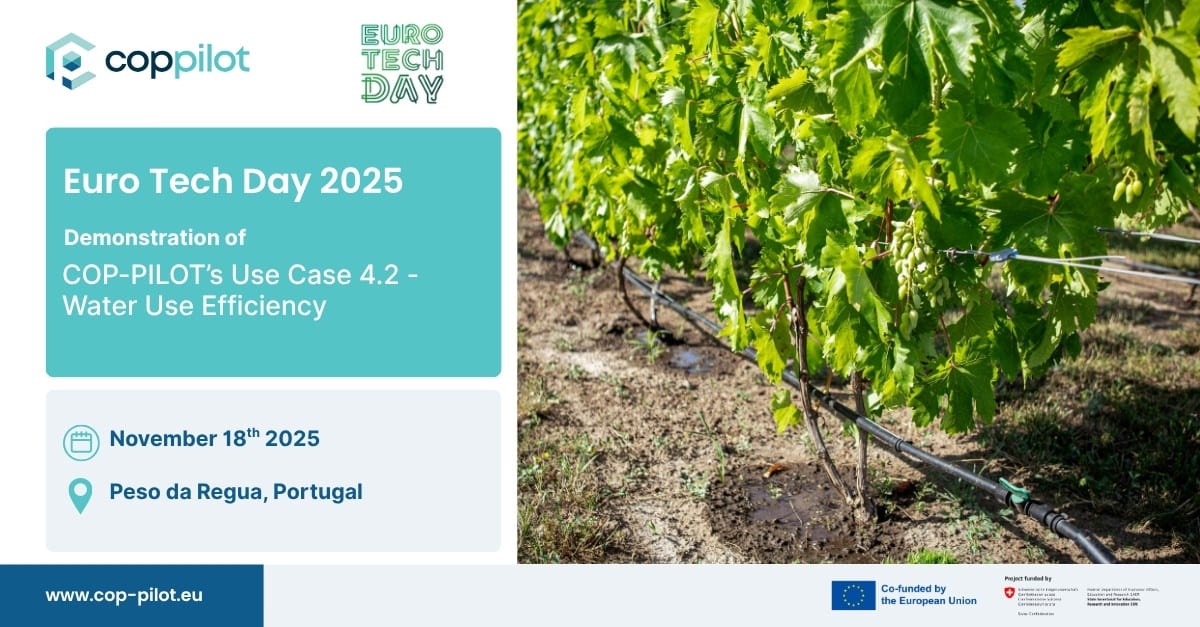
This use case utilizes satellite optical remote sensing and data analytics to enhance Water Use Efficiency (WUE) in agriculture. Through the implementation of precise irrigation methods, it supports ESG principles and the SDGs, fostering sustainable water management and reducing consumption.
UC#4.3
This use case utilizes a FIWARE-based IoT tool to improve winery efficiency by monitoring Overall Equipment Efficiency (OEE). It evolves into an AI/ML-powered Manufacturing Execution System (MES), enabling predictive maintenance and optimizing operations within the project’s cloud infrastructure.
UC#4.4
- Expected outcomes
This cluster seeks to drive major improvements in sustainability and efficiency across various industries. IoT enhances real-time monitoring and optimization, reduces waste, and supports environmental objectives. Scalable and cost-effective IoT solutions modernize operations without requiring significant upfront investments. The inclusion of AI/ML technologies within a GAIA-X-compliant framework enables data-driven decision-making, fostering innovation and paving the way for environmentally sustainable and technologically advanced practices in agriculture, manufacturing.