



The first year of the COP-PILOT project marked a period of intense activity and substantial progress for Cluster 2: Smart Buildings/Smart City, which is piloting smart sustainable IoT solutions in Valencia, the Port of Valencia, and Almussafes. The team successfully moved from planning to installation, effectively building the foundations for its innovative pilots in urban sustainability, optimized mobility, and enhanced port operations.
Technical Progress: From Design to Deployment
During the first year, Cluster 2 focused on an initial Planning phase, spanning from M6 to M10, upon use case; overlapping with the debut of the second phase, Device configuration/installation, integration, which debuted, for some use cases, on M9. The focus of this second phase is on the physical setup and integration of smart infrastructure, ensuring that the platform can move toward real-time data collection and AI-powered decision-making.
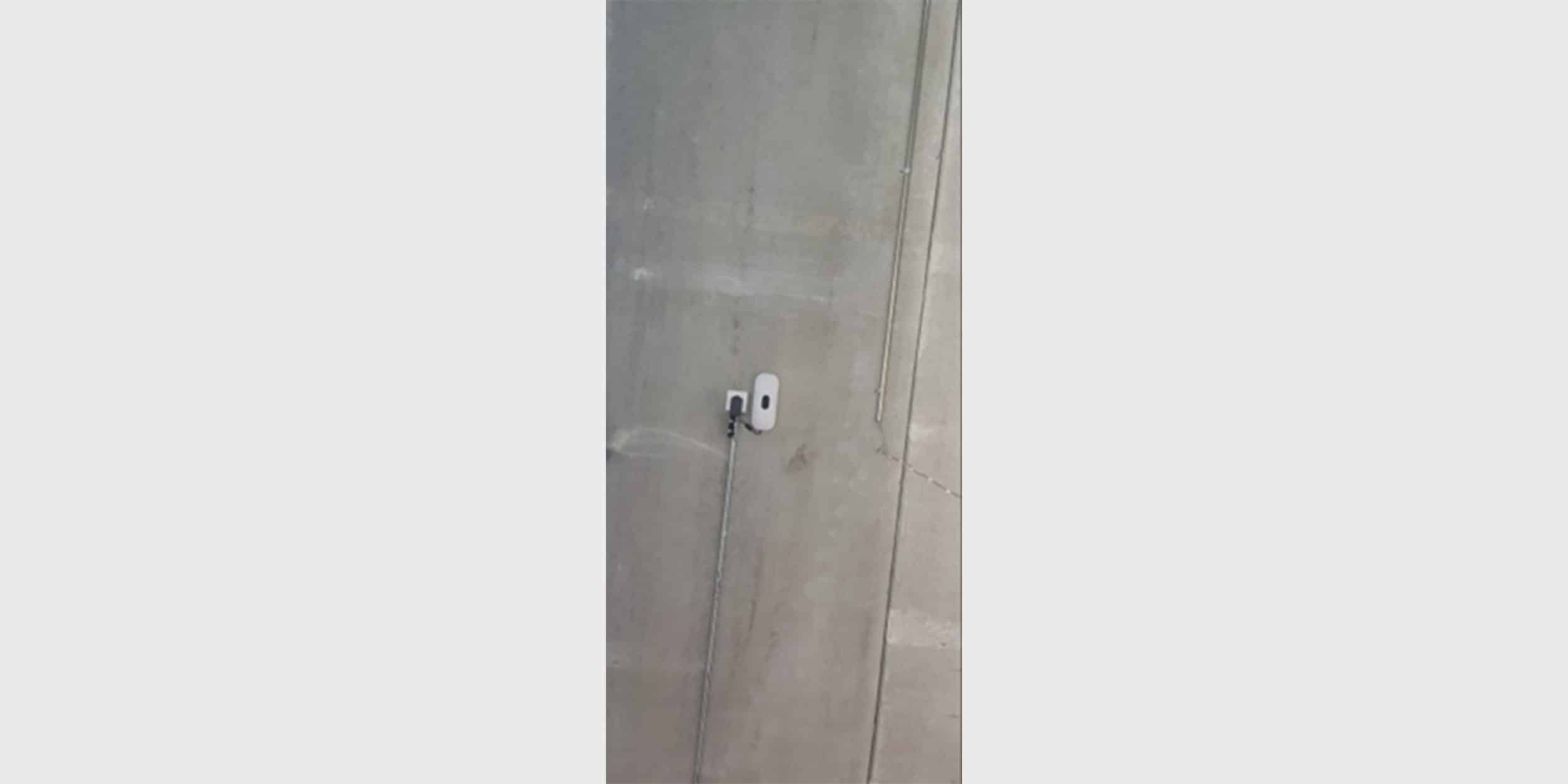
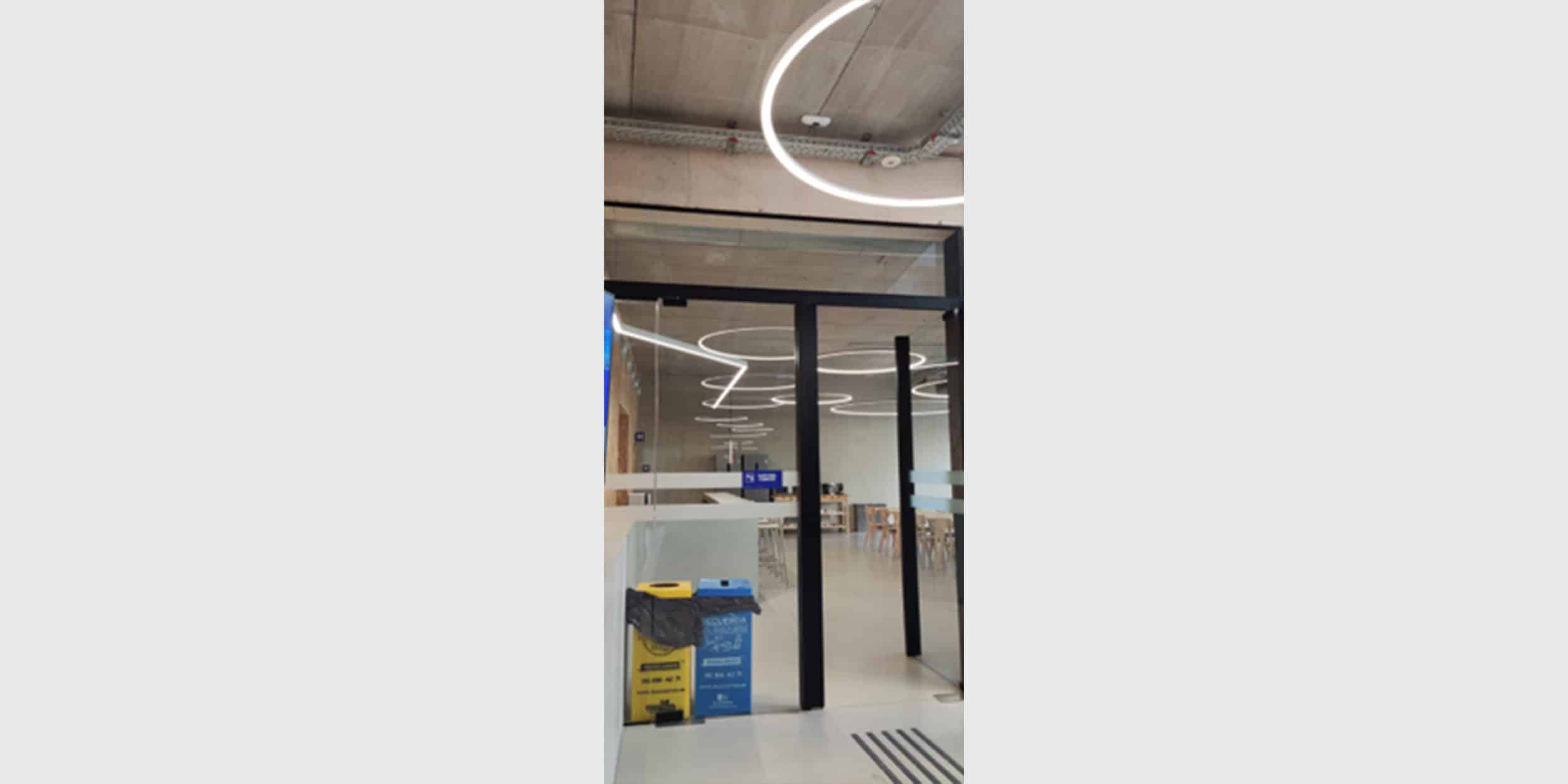
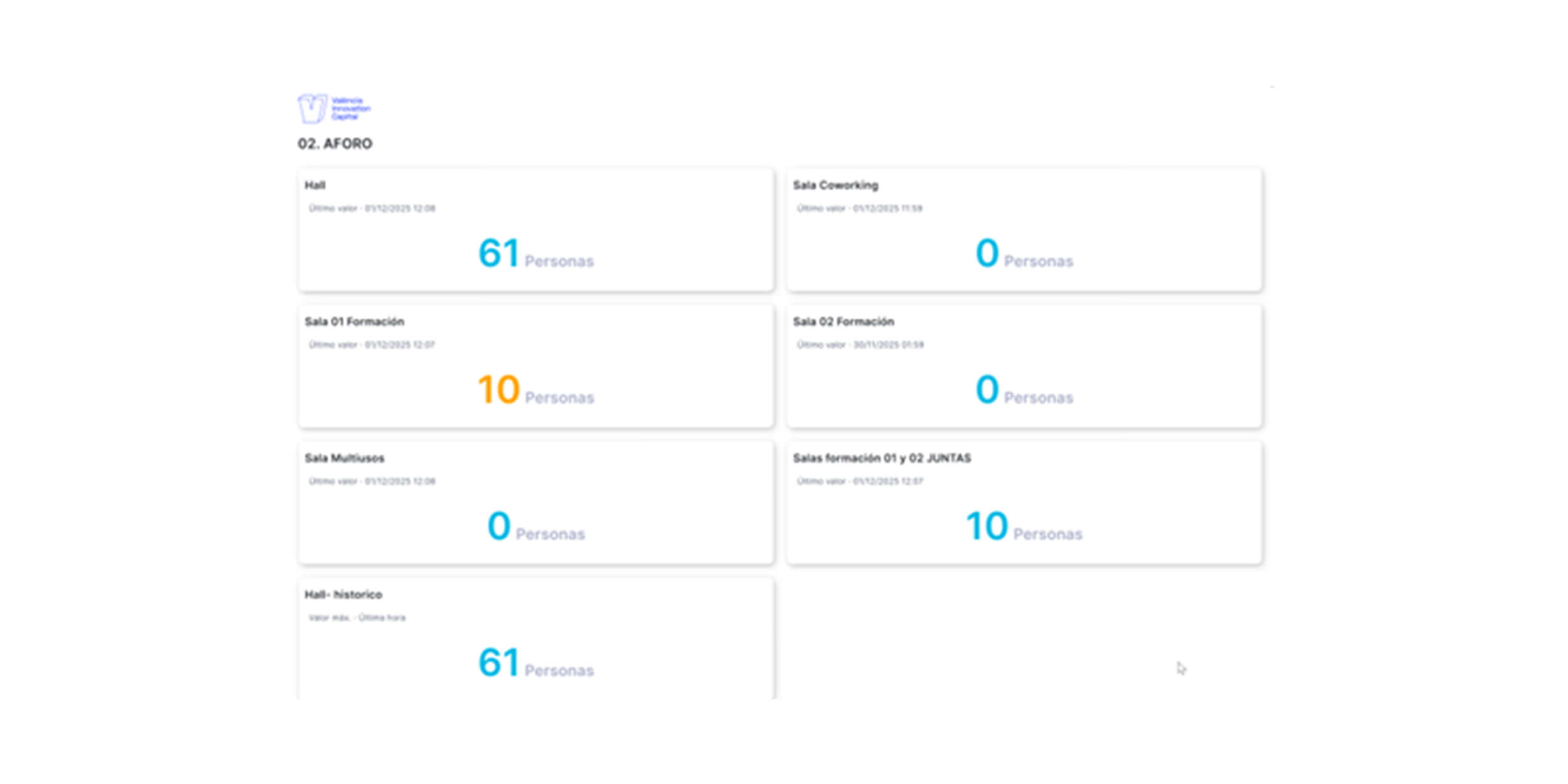
Under the UC#2.1. “Smart city data monitoring and sustainable mobility”, at the València Innovation Capital (VCH) building, the first step involved the configuration and installation of people-counting devices. Following physical integration, the data from these sensors was made actionable by connecting them with the Thinking Cities platform, allowing for real-time occupancy monitoring and resource optimization.
ThinkingCity is a FIWARE-powered platform that enables seamless connection and integration of devices, regardless of their protocols or connectivity methods. By combining Telefónica components with FIWARE Generic Enablers, the platform can collect, interpret, and manage relevant data while isolating application services and data processing from the underlying device and network complexities. This includes handling access, security, and diverse network protocols, allowing users to focus on actionable insights rather than technical integration challenges.
Focusing on the environment, the Air Quality study in Almussafes first performed formaldehyde sensor configuration and lab testing to ensure data accuracy. The devices were then installed across designated monitoring sites, with the final connection step aiming to link the sensors to the Thinking Cities platform for centralized data collection and public reporting.
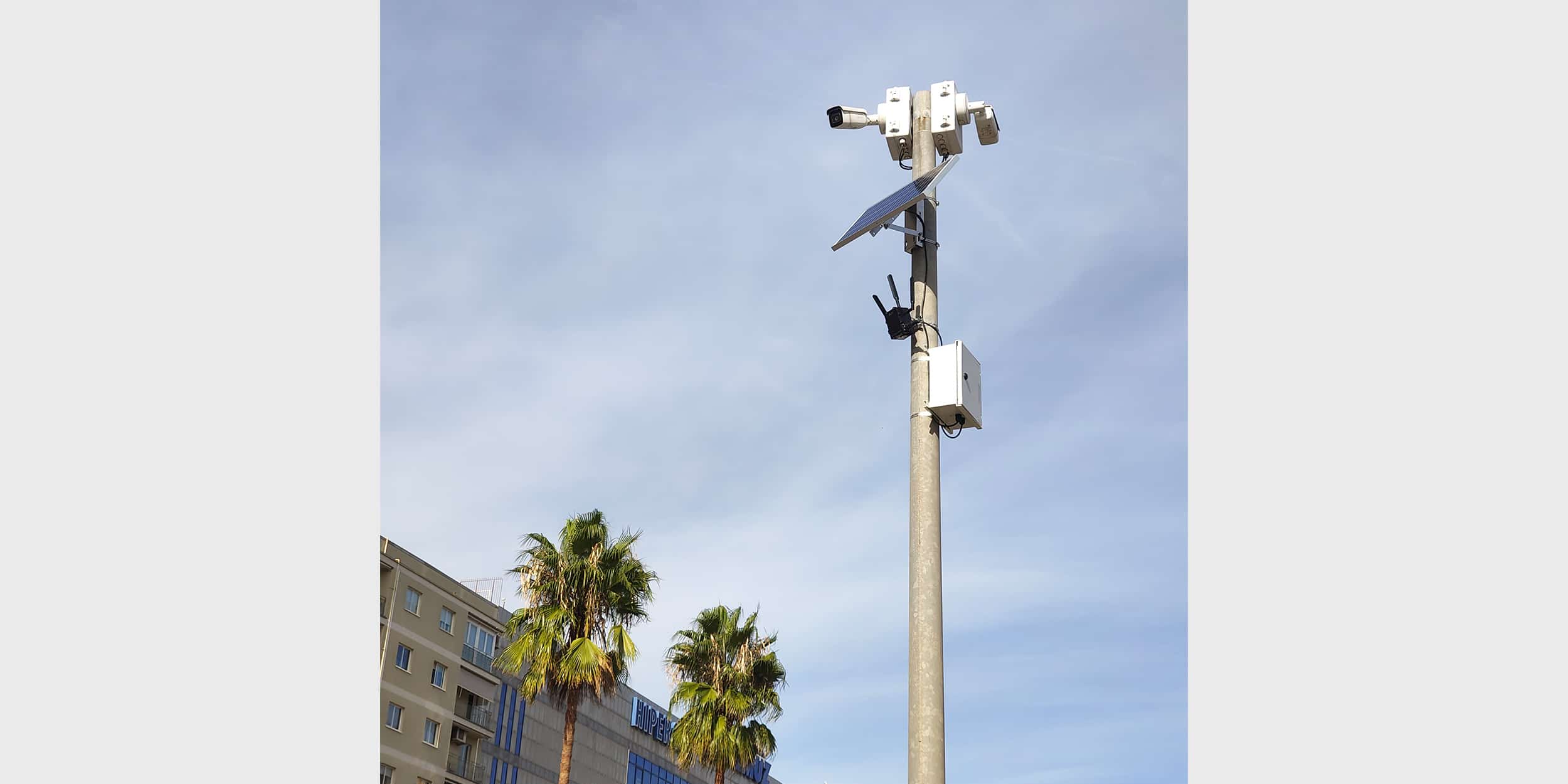
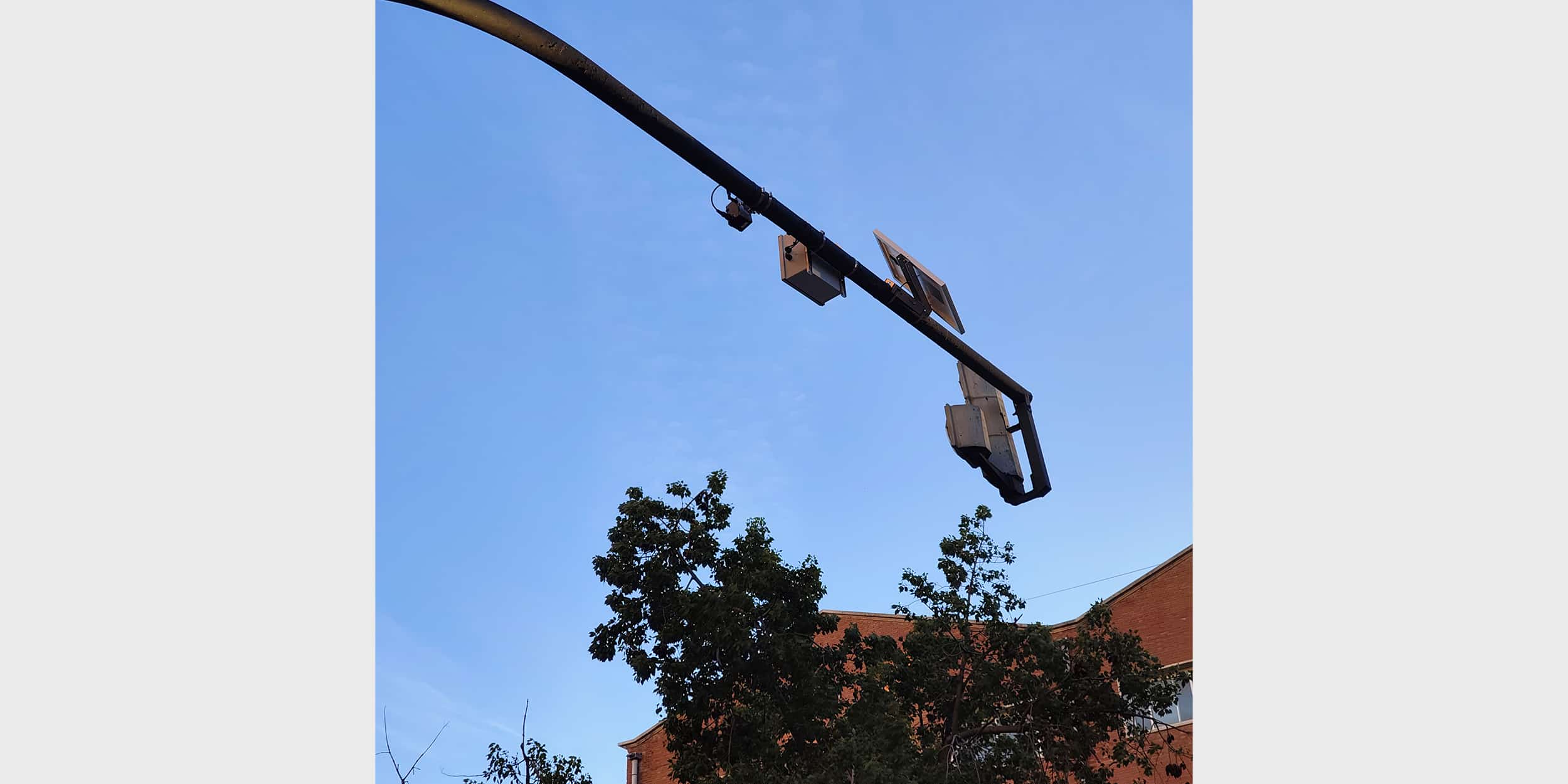
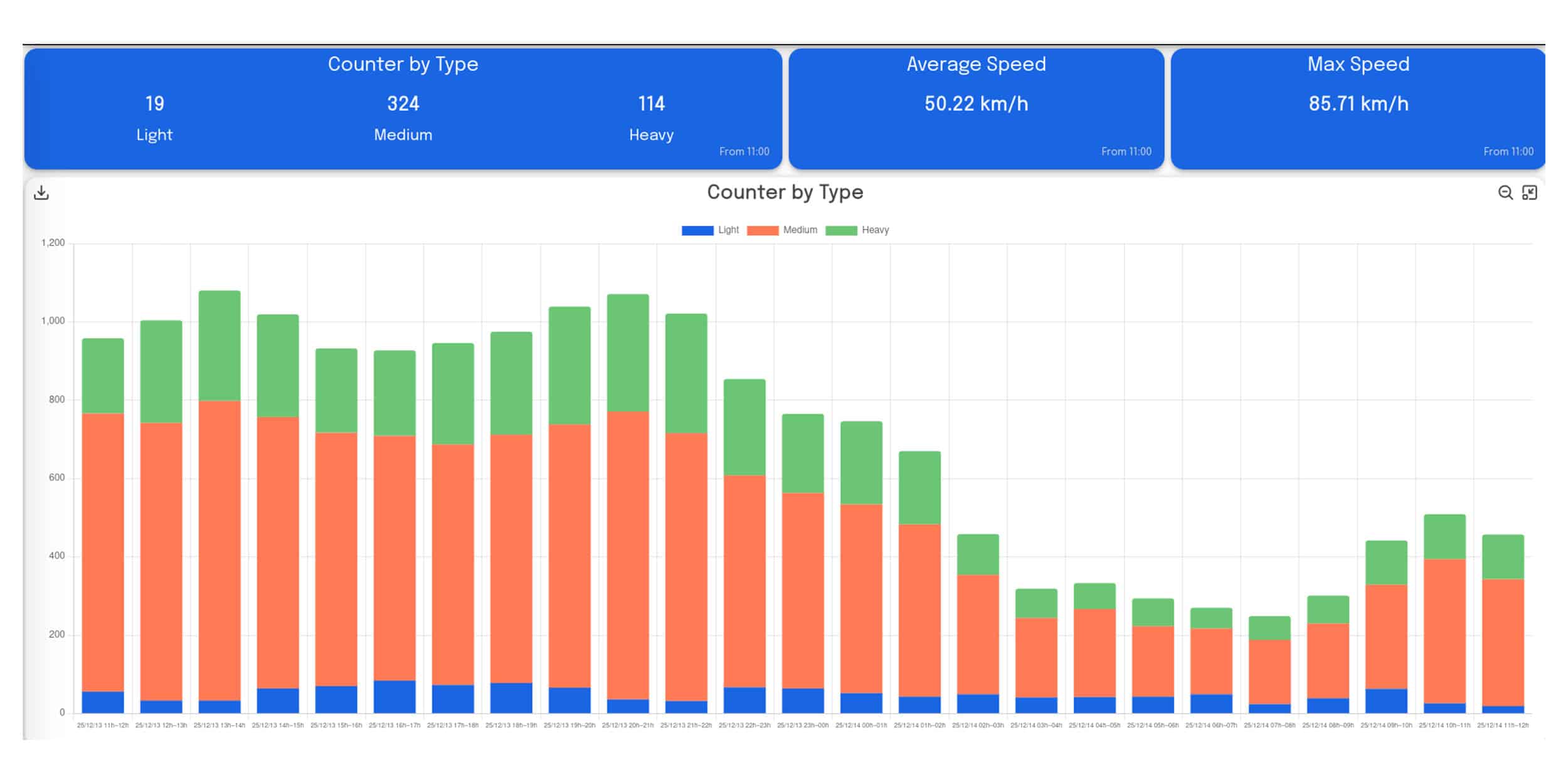
The “Sustainable mobility” use case also saw significant advancements in the city of Valencia. First, an assessment was performed to identify the best locations for radars that gather statistics on major avenues. After consultation with traffic authorities, five 5GRadars were deployed. They are already sending their data to FIVE’s platform while integration with Thinking Cities is ongoing.
FIVE’s data management platform, fivecomm4you, enables smooth integration of FIVE’s IoT devices with the COP-PILOT ecosystem. The platform collects device data and translates it for use on Telefónica’s platform or other compatible systems, without requiring any firmware changes. It also allows flexible control over how data is grouped and transmitted, ensuring efficient and reliable information flow.
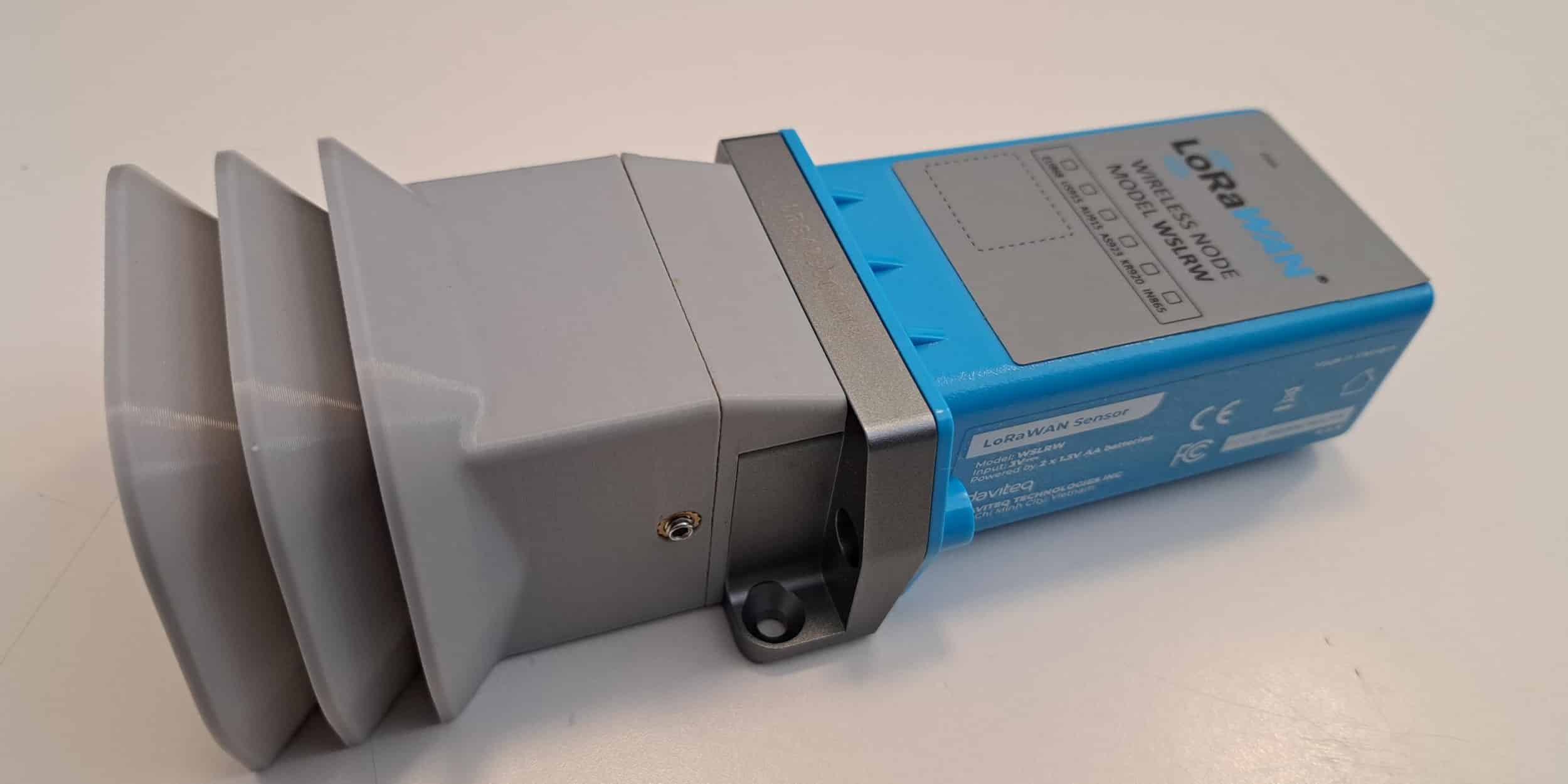
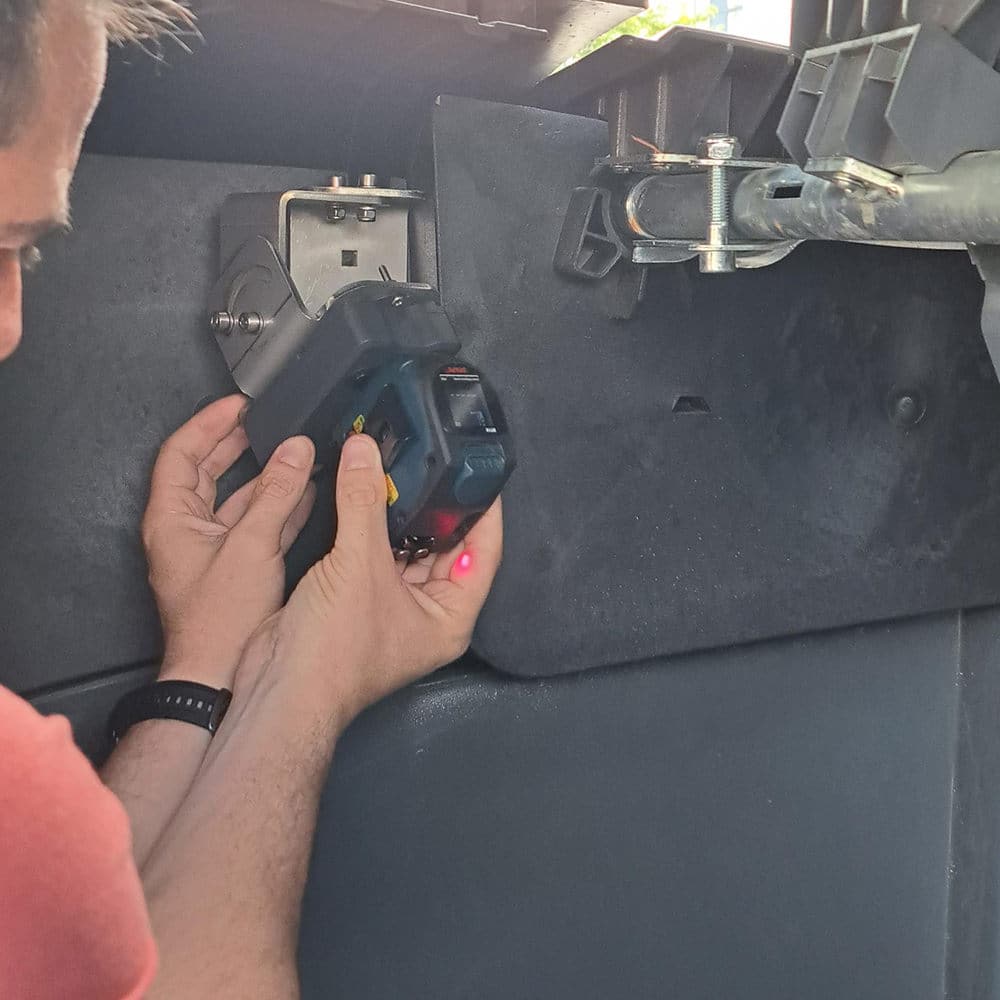
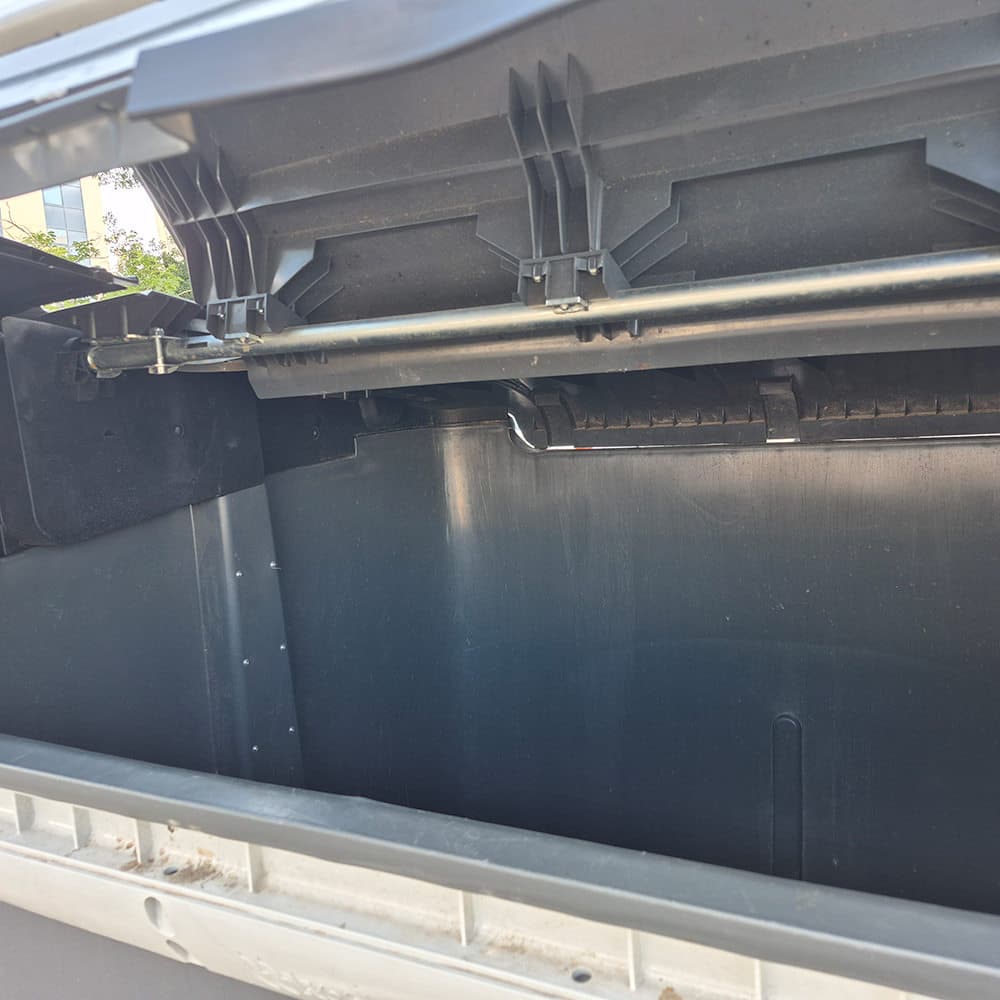
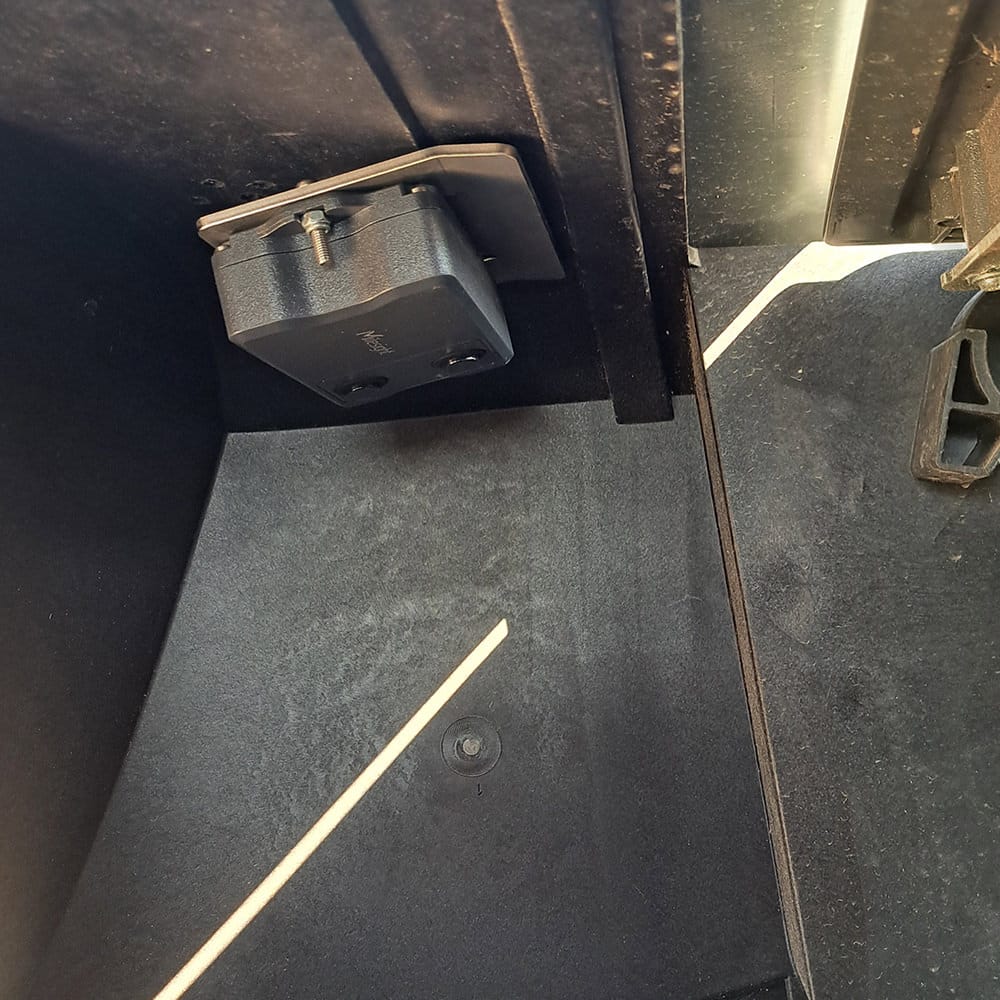
At the Polytechnic University of Valencia (UPV), under the UC #2.2. “Smart and sustainable IoT connected campus”, the Waste Management activity began with the design of the first physical support for testing, quickly followed by the installation of the first sensor in a container. Once installed, the next step was to connect these sensors with the Thinking Cities platform. Building on this initial success, the team designed the second and third versions of the sensor support, preparing for the mass deployment and installation of sensors for a new batch of containers.
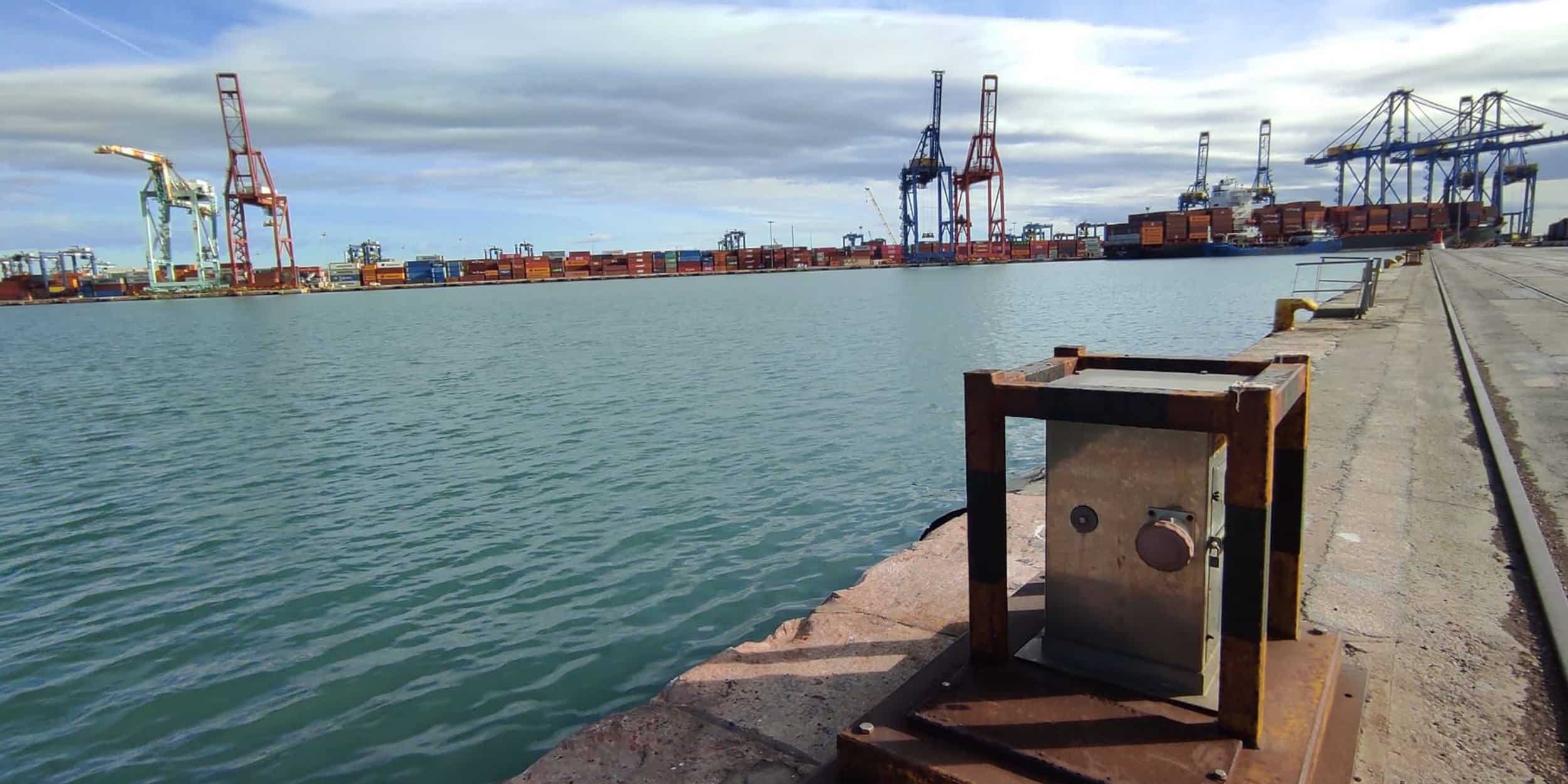
Under the UC#2.3. “Advanced maritime and terrestrial traffic management in ports”, in the Port of Valencia, a batch of radars that were already deployed in the Port of Valencia, is being validated. After validation, they will be moved to the final location on the APM docks.
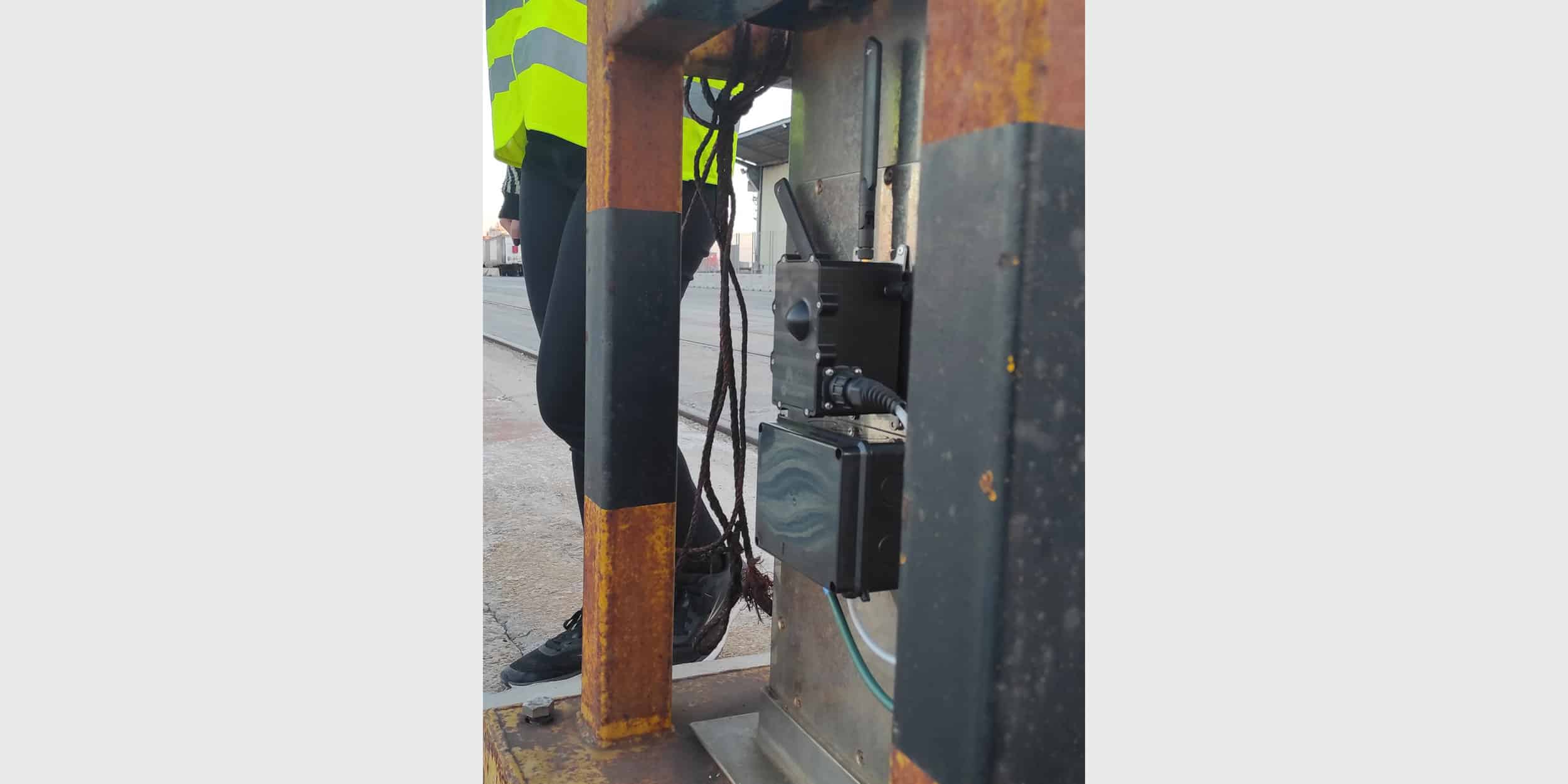
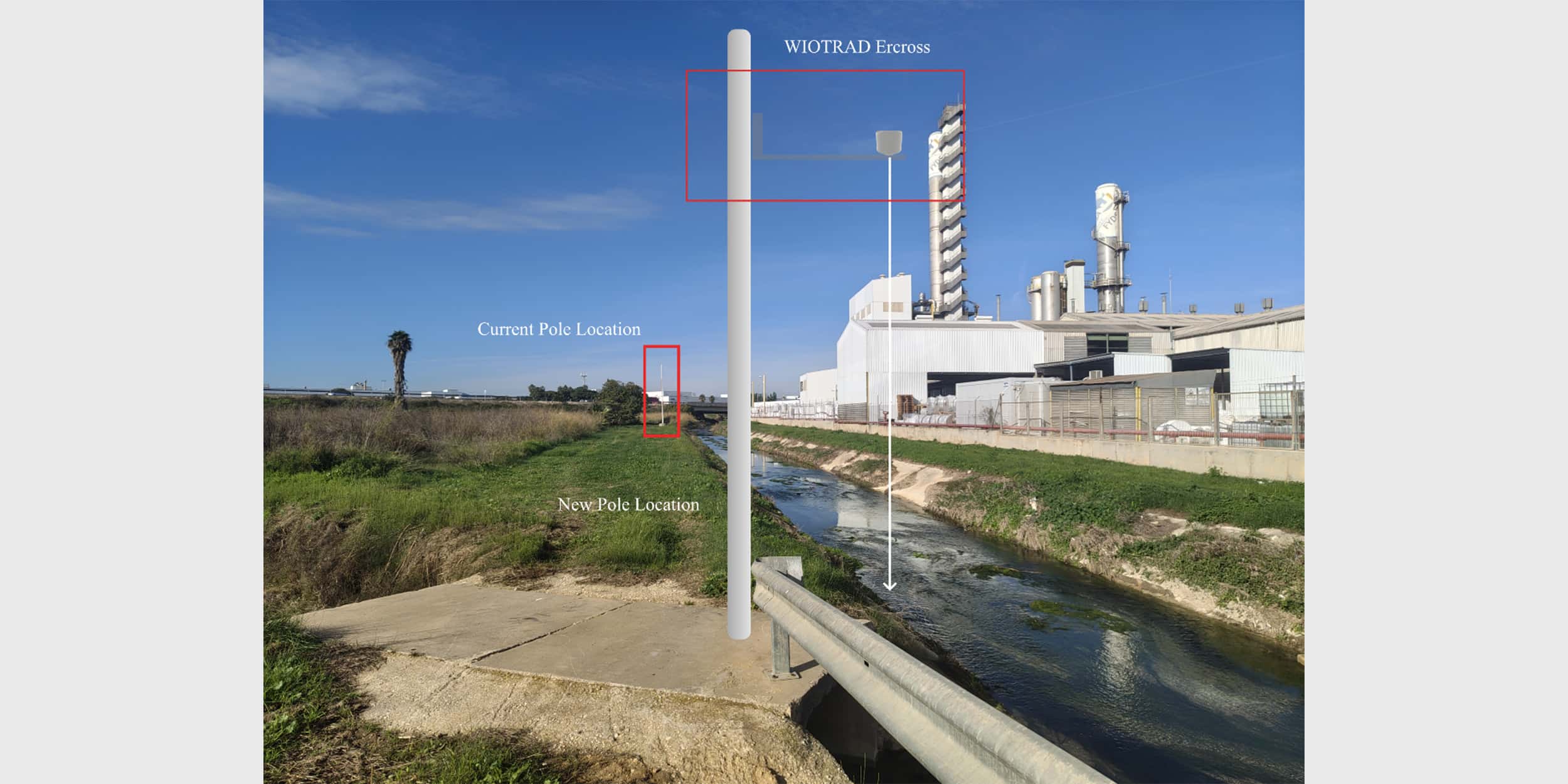
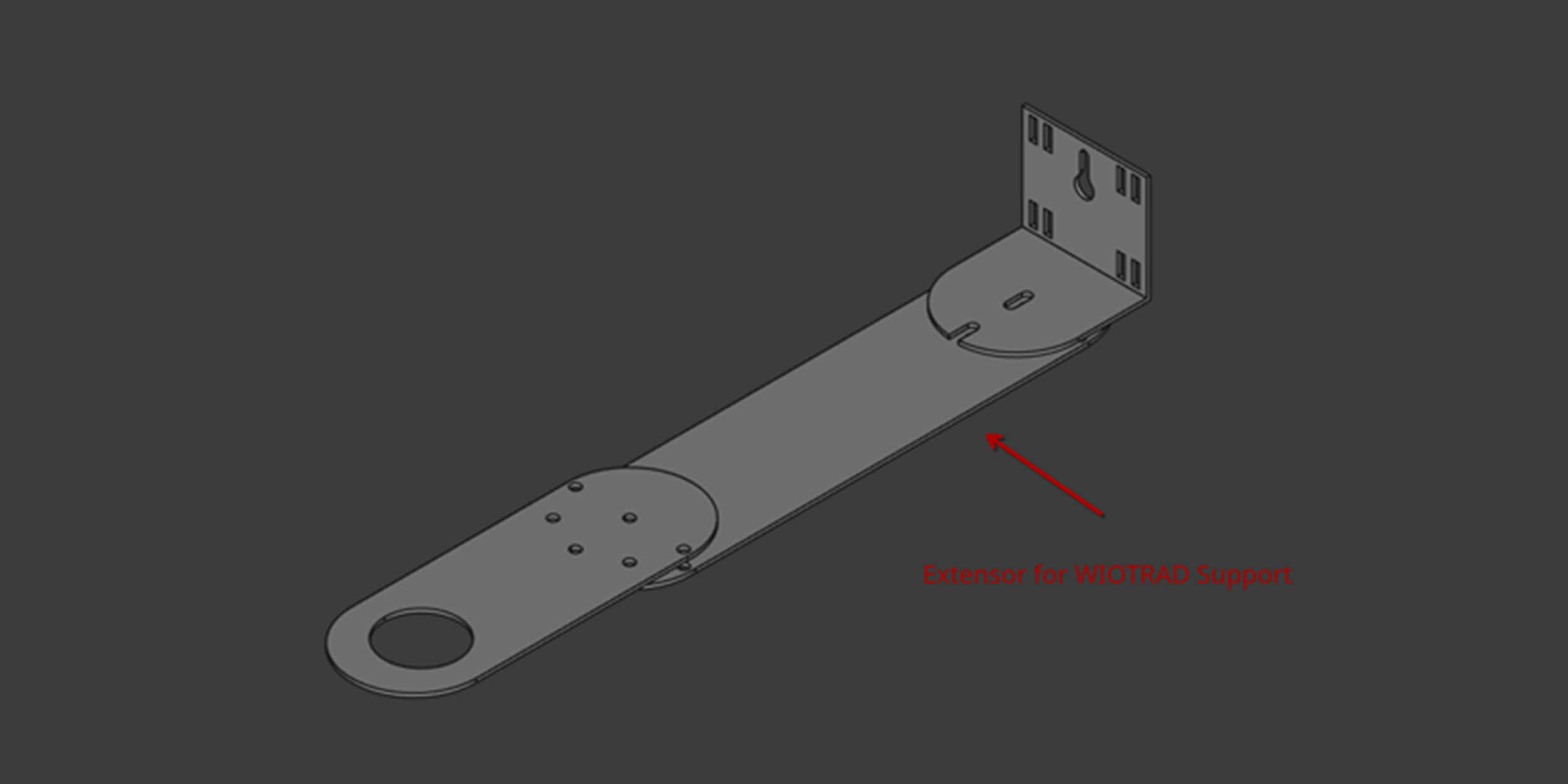
Similarly, to help prevent floods in the Port of Almussafes, the locations for the deployment of five WIOTRAD devices were determined. The required works, including the adaptation of supporting pieces and potential pole relocation, were identified, with installation expected between M12 and M14.
Strategic Outreach: Engaging Communities and Industry
Cluster 2’s outreach strategy successfully positioned the project at the forefront of the smart city and port sectors, leveraging key industrial events to showcase initial results and promote the COP-PILOT platform.
In March 2025, Fundación Valenciaport (VPF) participated in Networks for Main Ports – PRIMMA in Rotterdam, presenting details on 5G Networks in ports and highlighting achievements in the Port of Valencia. The cluster’s efforts in the maritime sector continued in October 2025 at PortComms25 in London. VPF actively attended it, presenting the latest advances in 5G technology at the Port of Valencia, including the deployment of a new 5G node and the implementation of use cases involving USVs and UAVs. VPF introduced the COP-PILOT project, highlighting its role in deploying a comprehensive network and service orchestrator to enhance interoperability and efficiency in smart ports.
As part of European Mobility Week in September 2025, VCH participated in Cities on the Move: Data, Security and Future Trends in València. VCH presented the city’s data-driven approach to mobility, showcasing real urban use cases that serve as testbeds for the COP-PILOT solutions.
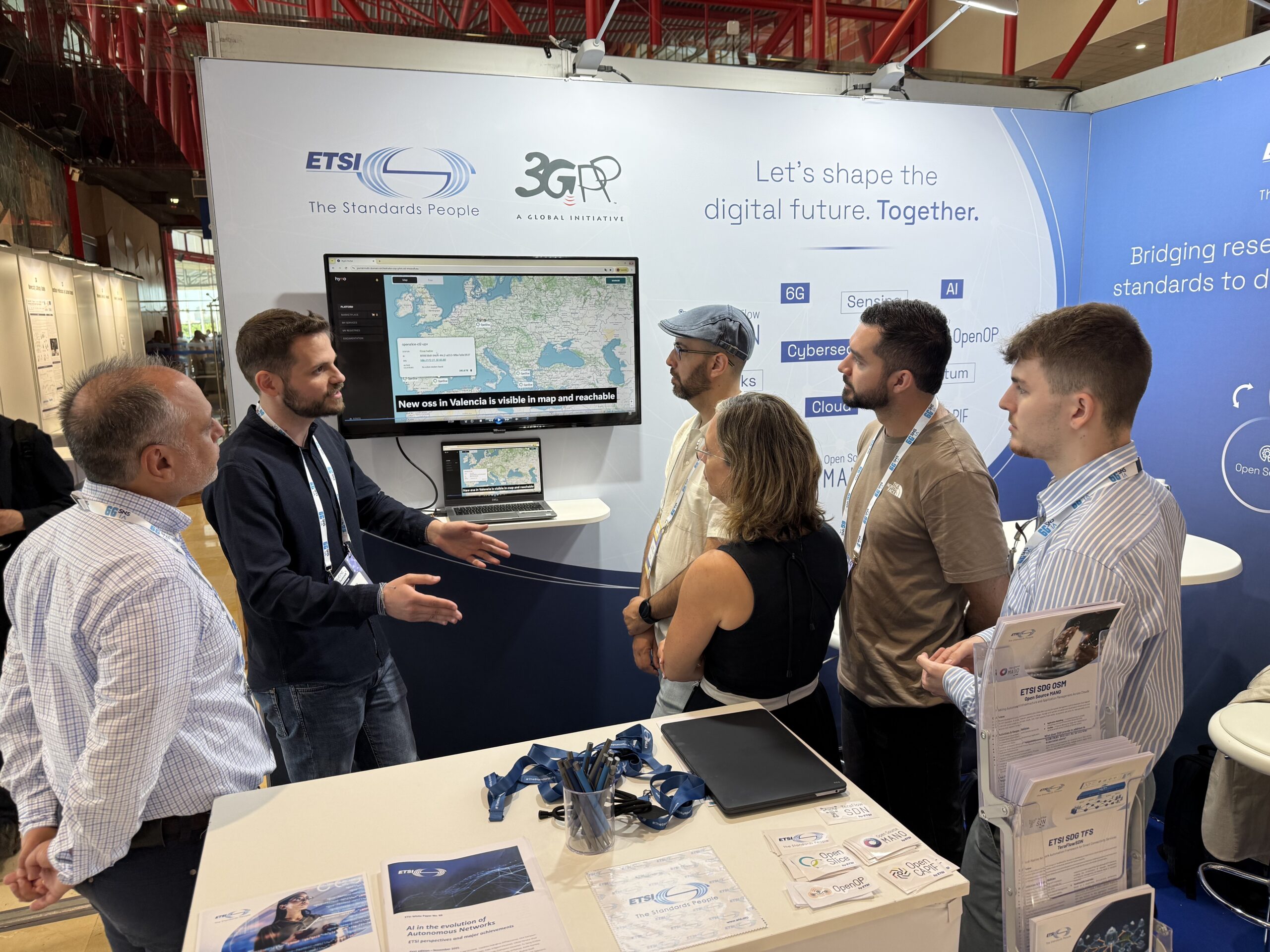
Later in September, Telefónica and Nespra presented COP-PILOT at the Innovation Day Telefónica Digital. Nespra hosted a stand featuring its IoT platform and offered presentations of COP-PILOT use cases, emphasizing how the project is advancing digital infrastructures.
The cluster is also currently working on two scientific papers.
Looking Ahead
This strong start has successfully transformed theoretical designs into functioning, real-world infrastructure. The next stages will be pivotal, shifting the focus entirely to the full integration, measurement, and validation of the installed sensor networks with the overarching COP-PILOT platform. By connecting these diverse assets, Cluster 2 is ready to unleash the valuable insights of advanced analytics and AI, moving rapidly toward its goal of establishing Valencia as a leader in smart, connected, and sustainable urban and maritime development.