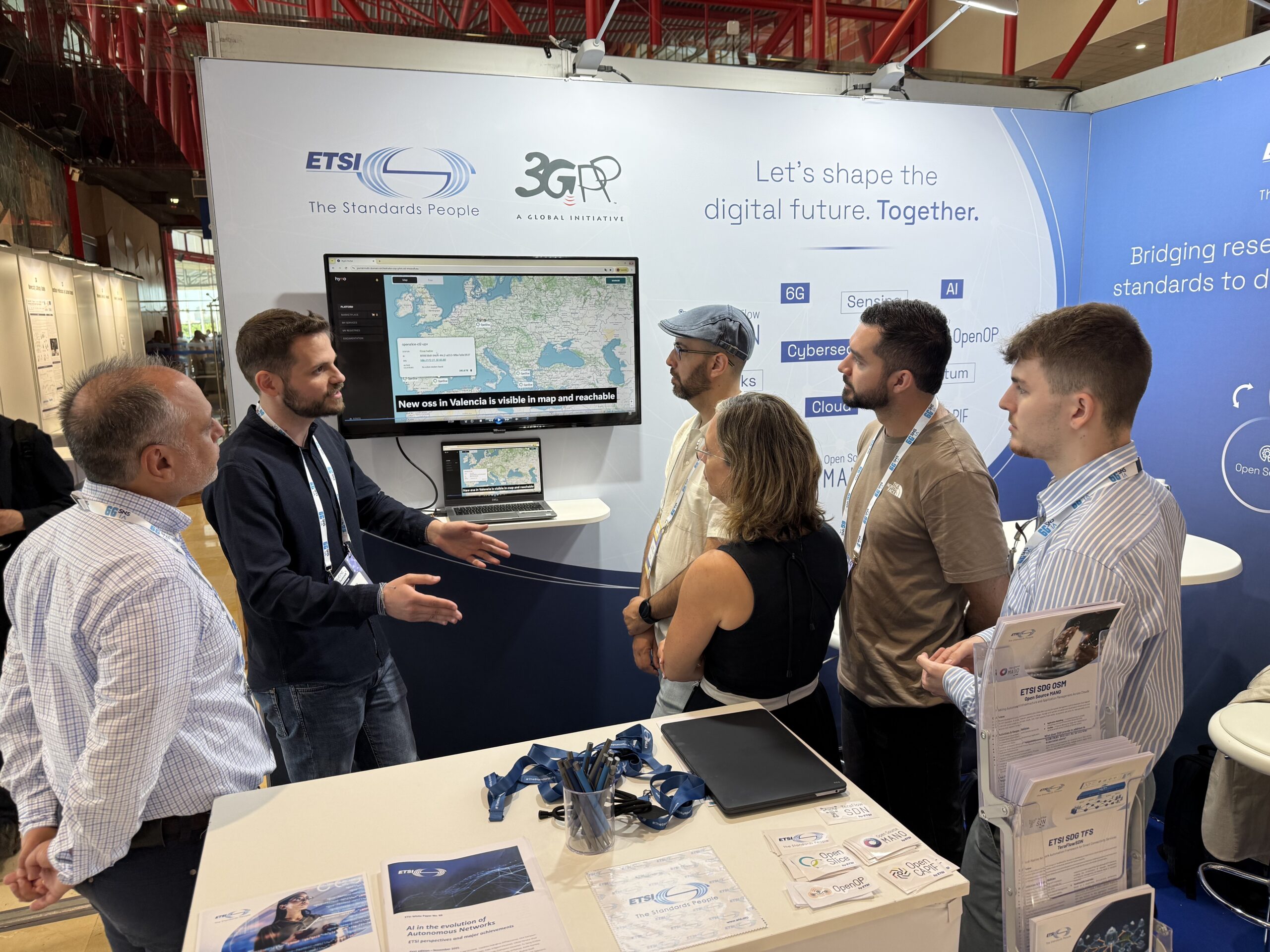




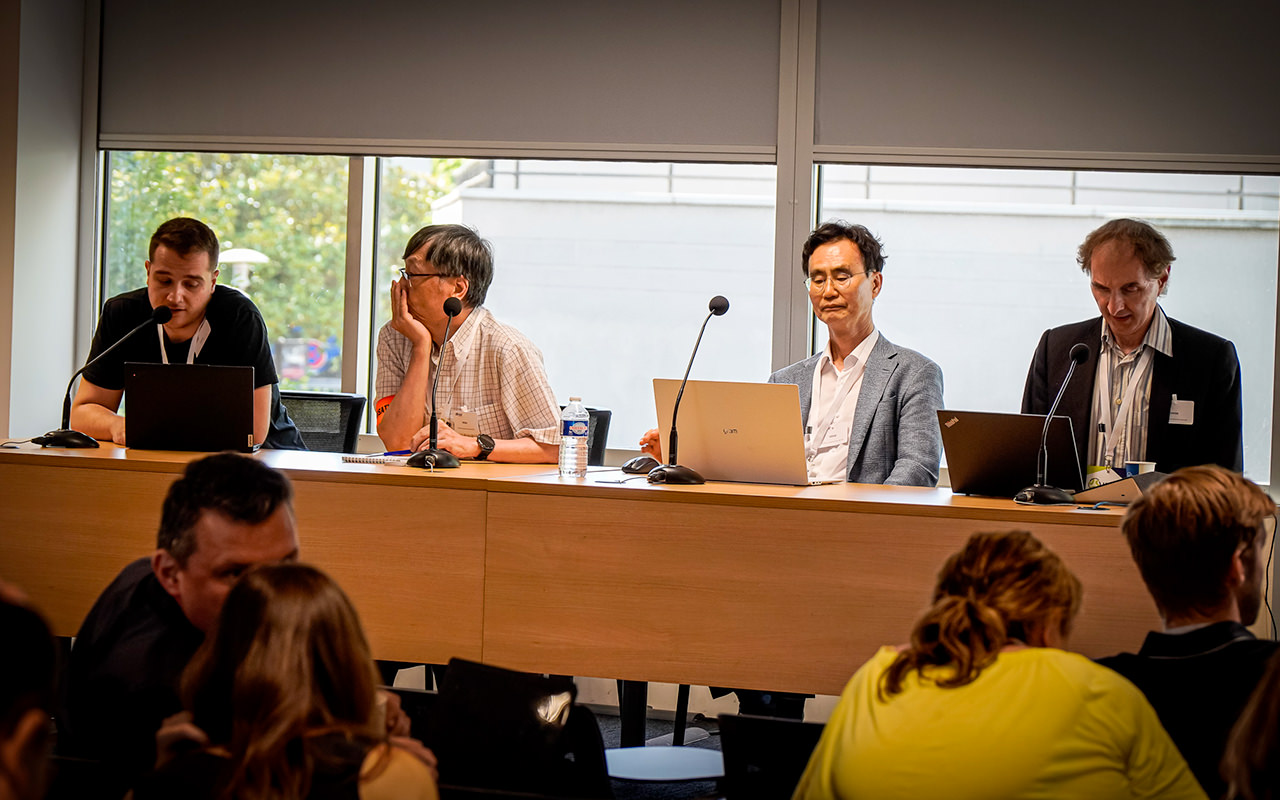
COP-PILOT contributed to the high-level regional workshop “Standards for Cloud-Edge-IoT Ecosystems” held at the AFNOR headquarters in Paris, France. Organized in parallel with the international committee meeting of ISO/IEC JTC 1 SC 41 (IoT and digital twins), the event served as the final showcase for the INSTAR project. The workshop brought together prominent experts from international standardization bodies, European research projects, industry, and policy organizations to map out the future of interoperable digital ecosystems.
The workshop opened with notable keynotes from Svet Mihaylov of the European Commission, who outlined EU policies regarding AI, open-source software strategies, and the rolling plan for ICT standardization. Yongjin Kim, Chair of ISO/IEC JTC 1/SC 41, provided an essential overview of international committee activities and horizontal standards for IoT, digital twins, and physical AI.
Demonstrating Impact via the CEI Hourglass Model
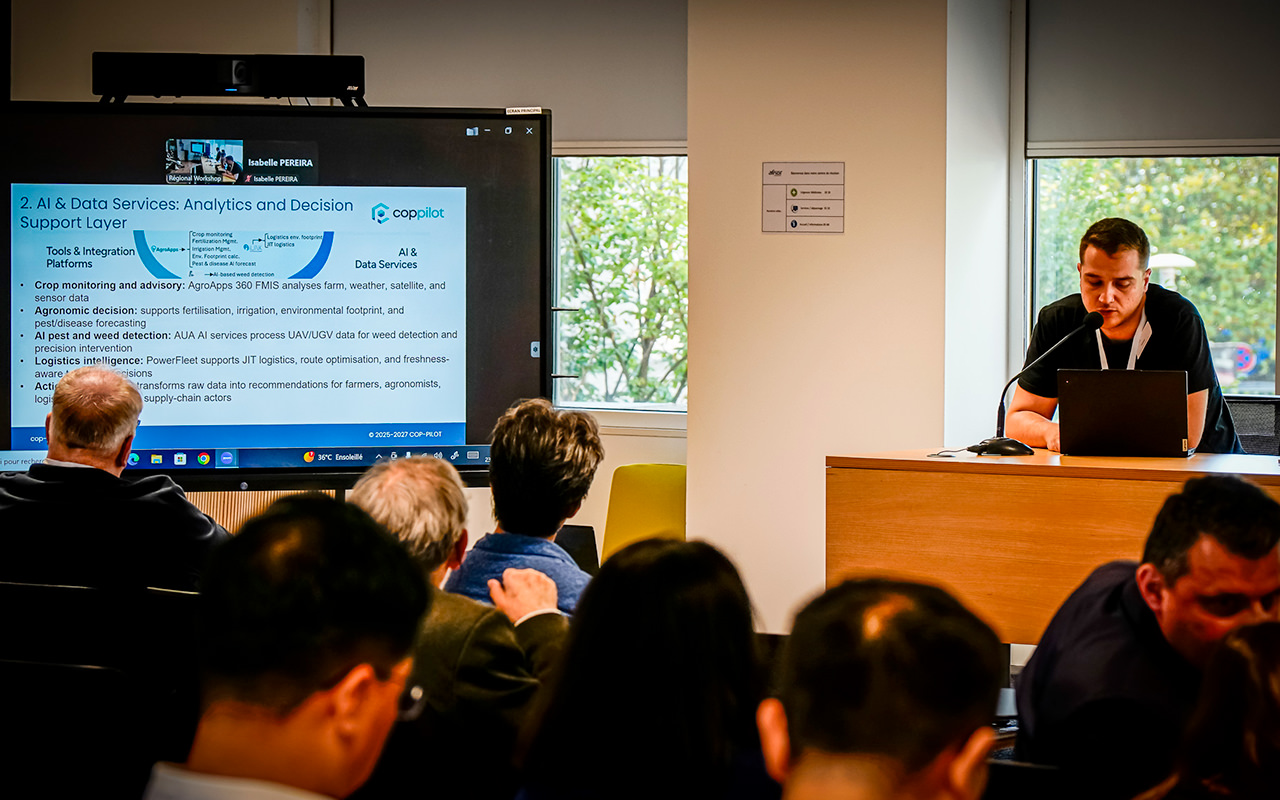
Representing COP-PILOT during the dedicated “Cloud-edge-IoT – Impact on standards” session, Konstantinos Fragkos from NetCompany presented the project’s open, multi-layer architecture and key platform components. The presentation detailed COP-PILOT’s concrete impact on open standards by utilizing the CEI Hourglass Model framework.
The presentation illustrated how COP-PILOT strategically leverages leading open-source building blocks and data frameworks to bypass market fragmentation. Key architectural pillars highlighted included:
- Core Orchestration: Utilizing ETSI OpenSlice for automated service management across geo-distributed compute environments.
- Zero-Trust Connectivity: Integrating software-defined zero-trust networking via OpenZiti to establish secure integration fabrics.
- Context & Lifecycle Management: Deploying the FIWARE Context Broker alongside TM Forum standards to achieve cross-sector data synchronization and role definition.
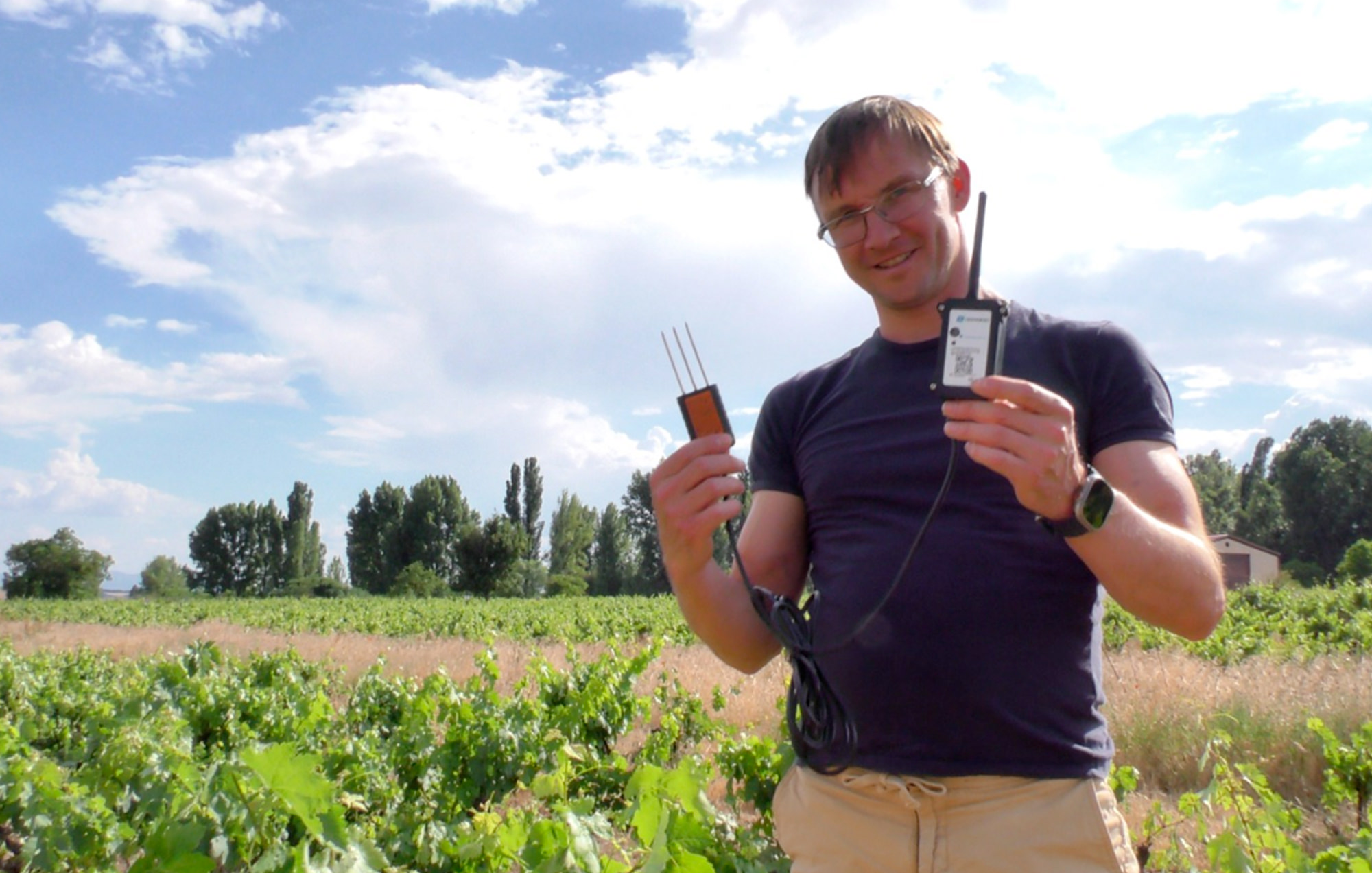
To ground this technical architecture in an operational reality, COP-PILOT used Cluster 3A: The Agritech Transformation and Sustainability Initiative (ATSI) as a practical example. Attendees saw how the project harmonizes data streams spanning drones, autonomous ground robots (UGVs), weather stations, and plant wearable sensors to eliminate data silos and reduce chemical/water waste.
Synergizing Across the European Research Landscape
The afternoon underscored the collaborative nature of the European computing continuum. The session featured complementary perspectives from the CEI-Sphere support action, which promoted the overarching ecosystem application of the hourglass model, and the O-CEI project, which presented a blueprint approach focused on automating energy-related innovations. Later sessions delved into data spaces and data sovereignty, featuring contributions from the Eclipse Foundation on policy specifications and data space building blocks, alongside the LICORICE project’s work on self-sovereign identity (SSI) and federated privacy libraries. Additional industrial context was provided by French digital twin initiatives from EDF and IRT SystemX.
By actively presenting its framework alongside global experts and standard-setting bodies like ISO/IEC, COP-PILOT continues to validate its technical excellence. The project is successfully showing how open-source orchestration models can move out of abstract concepts and transform into scalable, standards-aligned digital services across Europe.
For more details on the event presentations and agenda, visit the official event page.
Read the event report here.