





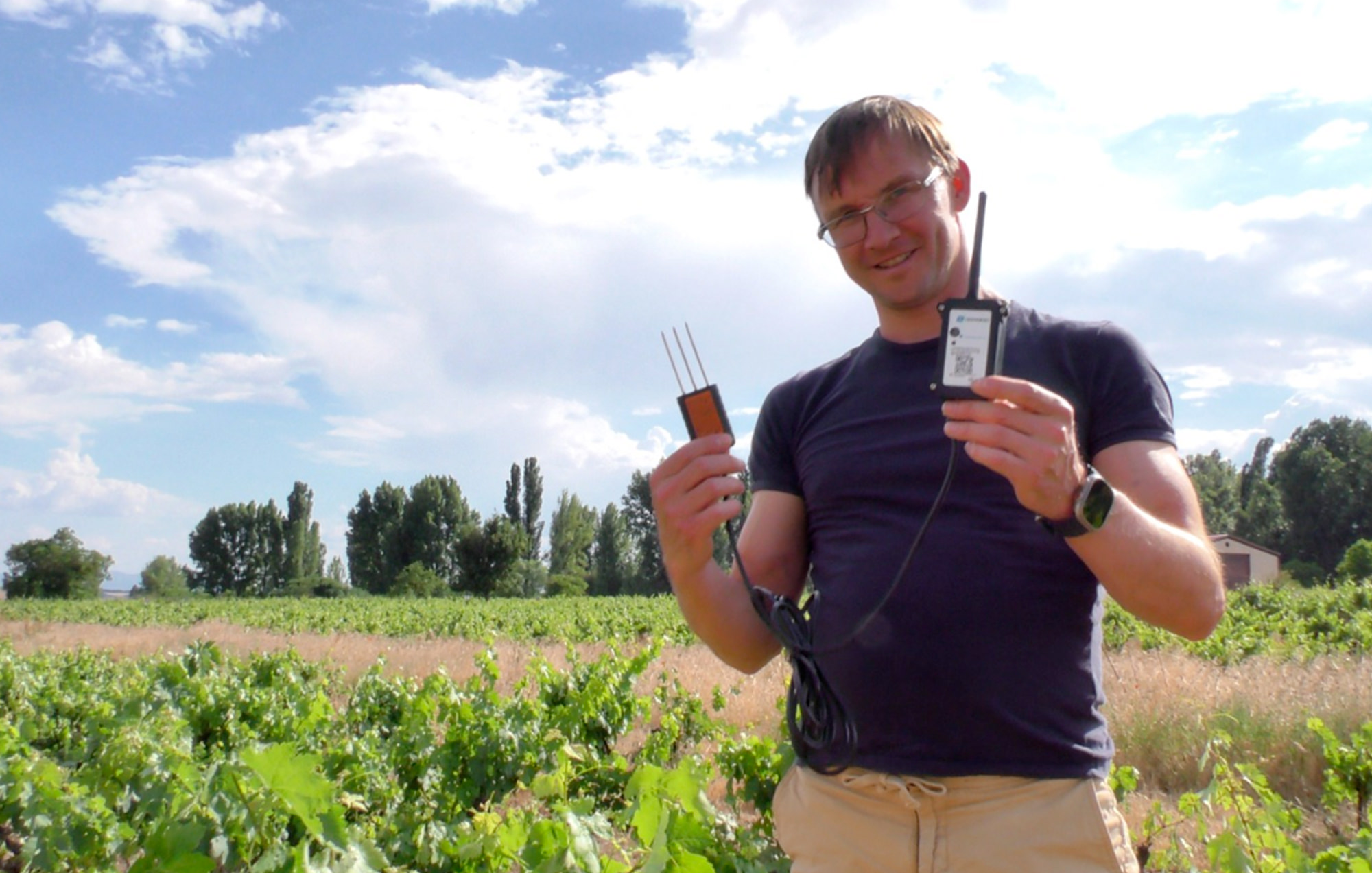
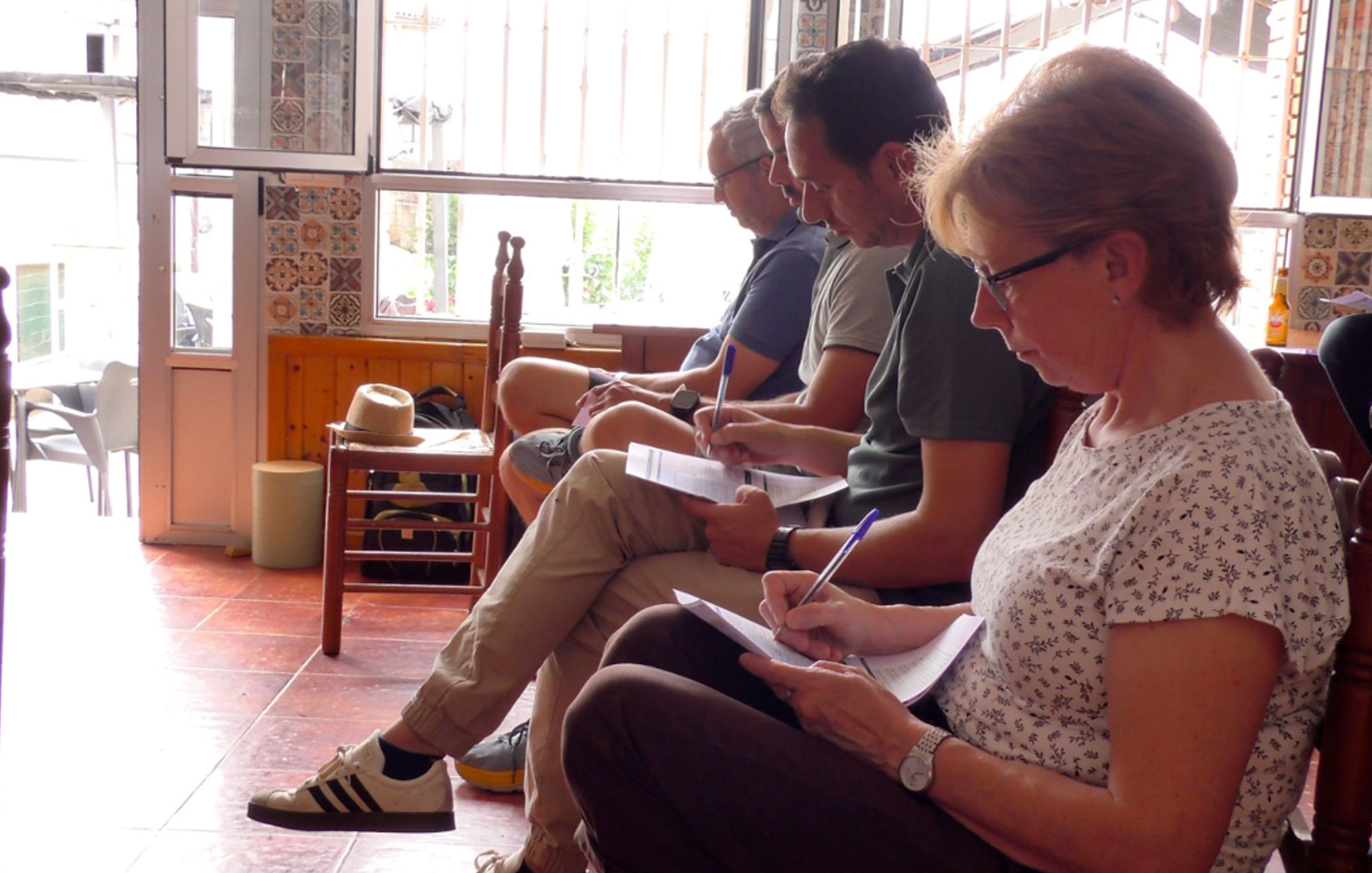
On 17 June 2026, the COP-PILOT project reached a significant milestone with its first public demonstration of an AI-driven, green-energy smart-farming solution for vineyard management. The event took place at the Villálvaro pilot site in Soria, Spain, and brought together approximately 30 local viticulture experts and researchers interested in exploring the project’s innovative vineyard-management ecosystem.
The main objective of this pilot (Cluster 4, Pilot 4, Use Case 4.4) was to demonstrate COP-PILOT’s capacity to federate metadata orchestration and integrate artificial intelligence technologies in a rural environment. The deployed infrastructure relied on 5G connectivity powered exclusively by solar-generated renewable energy.
The pilot combined technologies provided by Nokia, Terraview, and OneSource to create an integrated architecture capable of collecting, processing, transmitting, and analysing vineyard data from the edge to the cloud.
Seamless Integration from Edge to Cloud
The demonstration showcased a converged edge-to-cloud architecture operating on real-time and historical field data streams:
- On-Site Edge Processing: Data generated by soil sensors installed in the vineyard was collected and pre-processed in real time using on-site edge-computing devices deployed by Nokia and Terraview. Processing data close to its source reduced latency and limited the volume of raw information that needed to be transmitted to the cloud.
- Standards-Based Interoperability: The processed edge data was securely transmitted to the cloud environment using FIWARE-compatible protocols and data models. Kubernetes Helm charts were used to deploy and orchestrate the backend services, supporting a scalable, modular, and reproducible infrastructure.
- Advanced Data-Fusion Analytics: Once transferred to the OneSource cloud environment, data from the soil sensors deployed by Nokia and Terraview was processed using Terraview’s advanced data-fusion algorithm.
- Data Fusion Algorithm: The algorithm combines information from physical sensors, satellite observations, and analytical models. It enables the creation and visualisation of virtual monitoring stations in vineyards where no physical sensors have been installed. It can also estimate the probability of several vineyard diseases, supporting earlier and more targeted crop-management decisions.
- Real-Time Data Visualisation: During the demonstration, attendees viewed live dashboards displaying data collected over the preceding weeks from several virtual soil-monitoring stations. The system also presented model-generated estimates for virtual monitoring stations located in other vineyards without dedicated physical sensor deployments. In addition, a geospatial map was presented showing the estimated probability of different vineyard diseases within a specific geographical area. This provided participants with a clear example of how complex environmental and agronomic data can be transformed into practical, location-specific information.
Strong Endorsement and Measured Impact
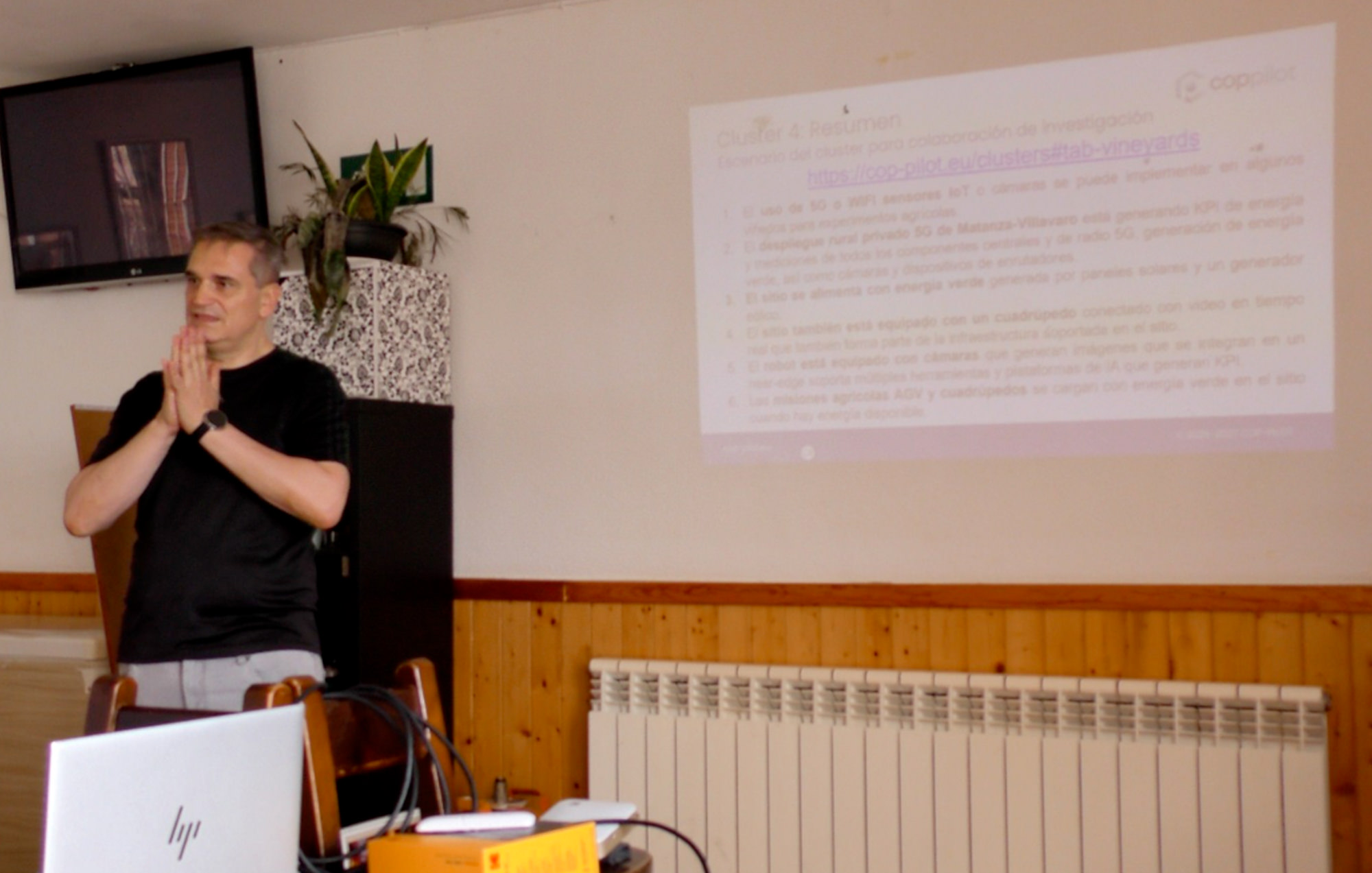
To obtain reliable validation metrics, the project collected quantitative survey responses and conducted qualitative interviews with industry stakeholders during the event. The evaluation results exceeded the project’s initial targets:
- User Satisfaction: A total of 90.9% of respondents rated the system interface as easy to understand and use. This result indicates that the platform can make advanced data-processing and artificial intelligence capabilities accessible to users without requiring specialised technical expertise.
- Virtual Monitoring Stations as an Alternative to Physical Hardware: Traditional in-ground sensor networks can be expensive to install and require regular calibration, maintenance, and replacement. The pilot demonstrated that a virtual modelling layer supported by satellite data, physical sensor measurements, and data-fusion algorithms could reduce the need for extensive multi-sensor hardware deployments. A total of 81.8% of respondents indicated that they preferred this software-based approach to maintaining a large number of physical in-ground devices.
- Supporting Sustainable Water Management: All surveyed stakeholders agreed that COP-PILOT’s data-driven irrigation insights have significant potential to reduce water consumption and support the long-term sustainability of agricultural operations. By providing more accurate information about soil and crop conditions, the platform can help vineyard managers apply water only where and when it is required.
- Improved Operational Resilience: Viticulture professionals and agricultural digitalisation specialists also highlighted the potential reduction in the number of working hours devoted to manual field inspections. By remotely monitoring soil conditions and other agronomic indicators, vineyard operators can reduce the need for daily physical checks and focus their resources on locations that require direct attention.
Looking Ahead
The technical teams identified several methodological improvements for future pilot activities. One of the main priorities is to fully automate the end-to-end workflow, thereby eliminating the remaining manual data-processing and data-transfer steps.
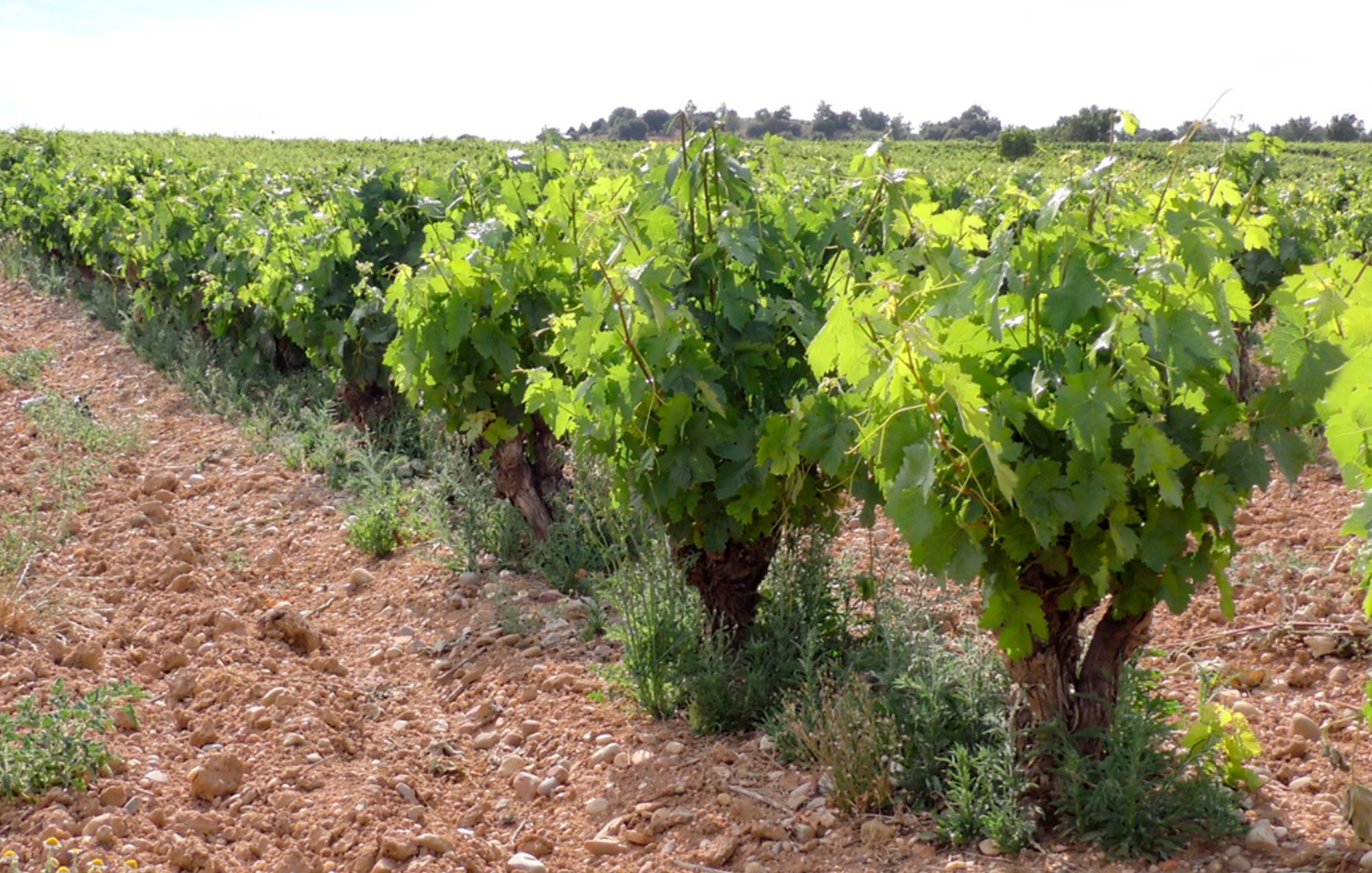
Another area for further assessment is the potential integration of data and analytical capabilities to support the identification, characterization, monitoring, and conservation of the region’s abundant pre-phylloxera vineyards. Some of these vines are more than 100 years old, while exceptional specimens may exceed 200 years of age.
These historic vineyards constitute a distinctive component of the area’s viticultural heritage and represent a unique genetic, agronomic, and cultural resource. Their preservation is particularly relevant because they contribute to the distinctive characteristics of local viticulture and to the production of wines with a highly singular identity and sensory profile.
It is estimated that the area contains approximately 60 hectares of traditional vineyards, distributed across around 1,000 small plots owned by small-scale, traditional growers. These holdings generally lack the technological resources required to optimise their economic viability and currently benefit from no specific protection measures to safeguard their continued existence. Consequently, the local community has expressed a strong commitment to preserving, enhancing, and revitalising these vineyard areas, which are deeply connected to the region’s population, cultural identity, and traditional way of life.