



COP-PILOT at DATA-Introduction of ETSI SDGs to TC DATA and Presentation from SDG OpenSlice
As Europe advances toward increasingly interconnected digital infrastructures, the need for intelligent, secure, and data-aware orchestration across domains is becoming more critical than ever. Within this evolving landscape, COP-PILOT continues to explore how next-generation orchestration frameworks can bridge the gap between telecommunications, cloud-edge infrastructures, and emerging data space ecosystems.
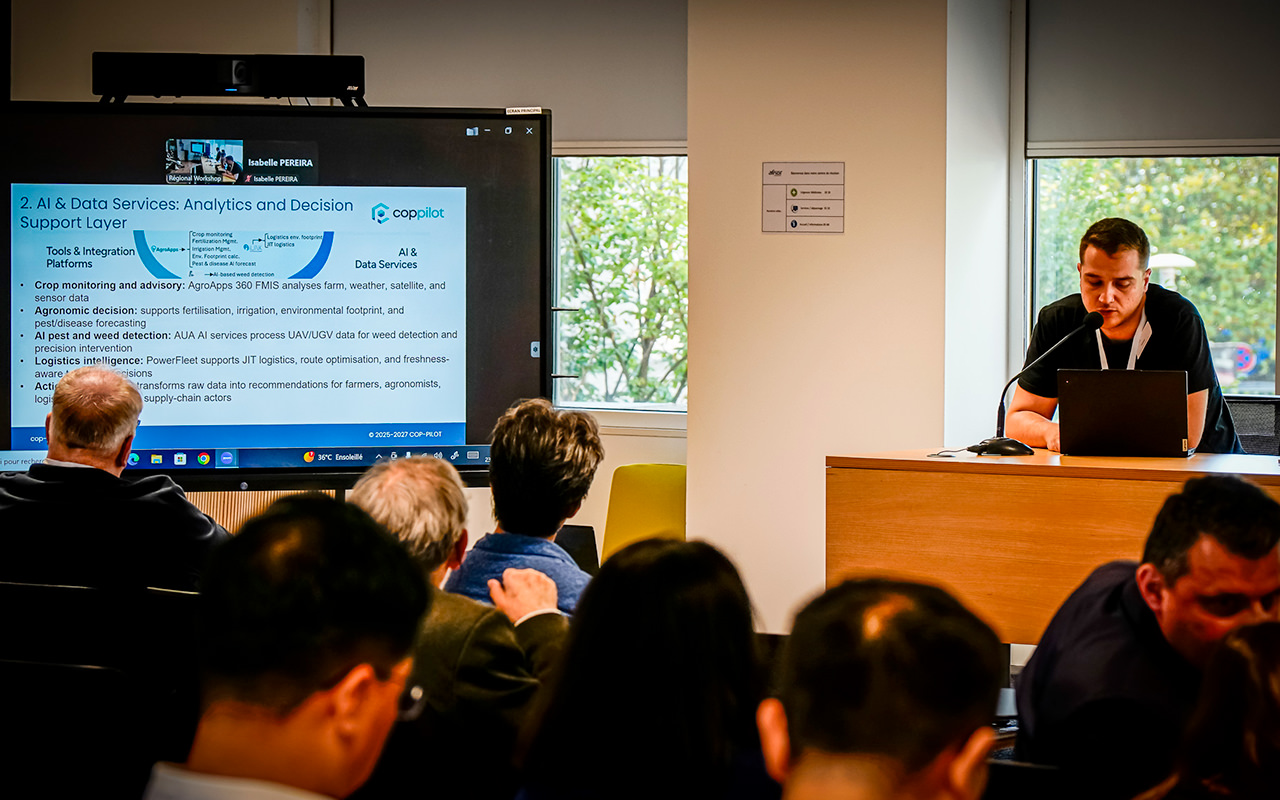
Several partners in the COP-PILOT Horizon consortium (UBITECH, Telefónica, and p-NET Emerging Networks & Vertical Applications) attended, on May 5th, the “DATA-Introduction of ETSI SDGs to TC DATA and Presentation from SDG OpenSlice.”
Diego R. Lopez, from Telefonica, leads the TC Data Technical Group in ETSI.
Christos Tranoris, from p-NET, did an introduction to ETSI SDG OpenSlice. His talk covered how and when OpenSlice was conceived back in 2019, its transition to ETSI, the current ETSI SDG OpenSlice architecture, the ecosystem of plug-and-play controllers around SDG OpenSlice, as well as the recent ETSI HypO MDG that was introduced as an extension of OpenSlice towards multi-domain scenarios.
Georgios P. Katsikas presented UBITECH’s work within COP-PILOT, focusing on extending ETSI SDG OpenSlice toward data-aware, secure multi-domain orchestration that integrates federated data services into telco-edge service lifecycle management. As part of the presentation, the discussion focused on the growing importance of integrating data management capabilities directly into orchestration environments, especially in highly distributed and heterogeneous ecosystems.
Mr. Katsikas showed a structured view of the evolving compute–network–data continuum, positioning ETSI SDG OpenSlice within a highly heterogeneous ecosystem that spans edge devices, cloud/hyperscalers, and federated infrastructures. He emphasized that while significant progress exists across compute (e.g., EuroHPC), networking (e.g., 3GPP, IETF), and orchestration platforms, a critical gap remains between telco-edge orchestration and data space ecosystems.
OpenSlice is described as a Telco Edge–ready orchestration platform, already capable of multi-domain service orchestration with built-in security (via tools like OpenZiti and HYPO) and extensible through pluggable controllers. However, current orchestration approaches lack native “data-awareness”, meaning they cannot treat data services as first-class entities within service lifecycle management. Katsikas proposed extending OpenSlice toward data-aware service graphs, enabling dynamic integration of data services alongside compute and network resources, governed by policies and compliant with data-sharing constraints across domains.
The presentation further demonstrated how these concepts are already being explored through real-world implementations and large-scale European collaborations.
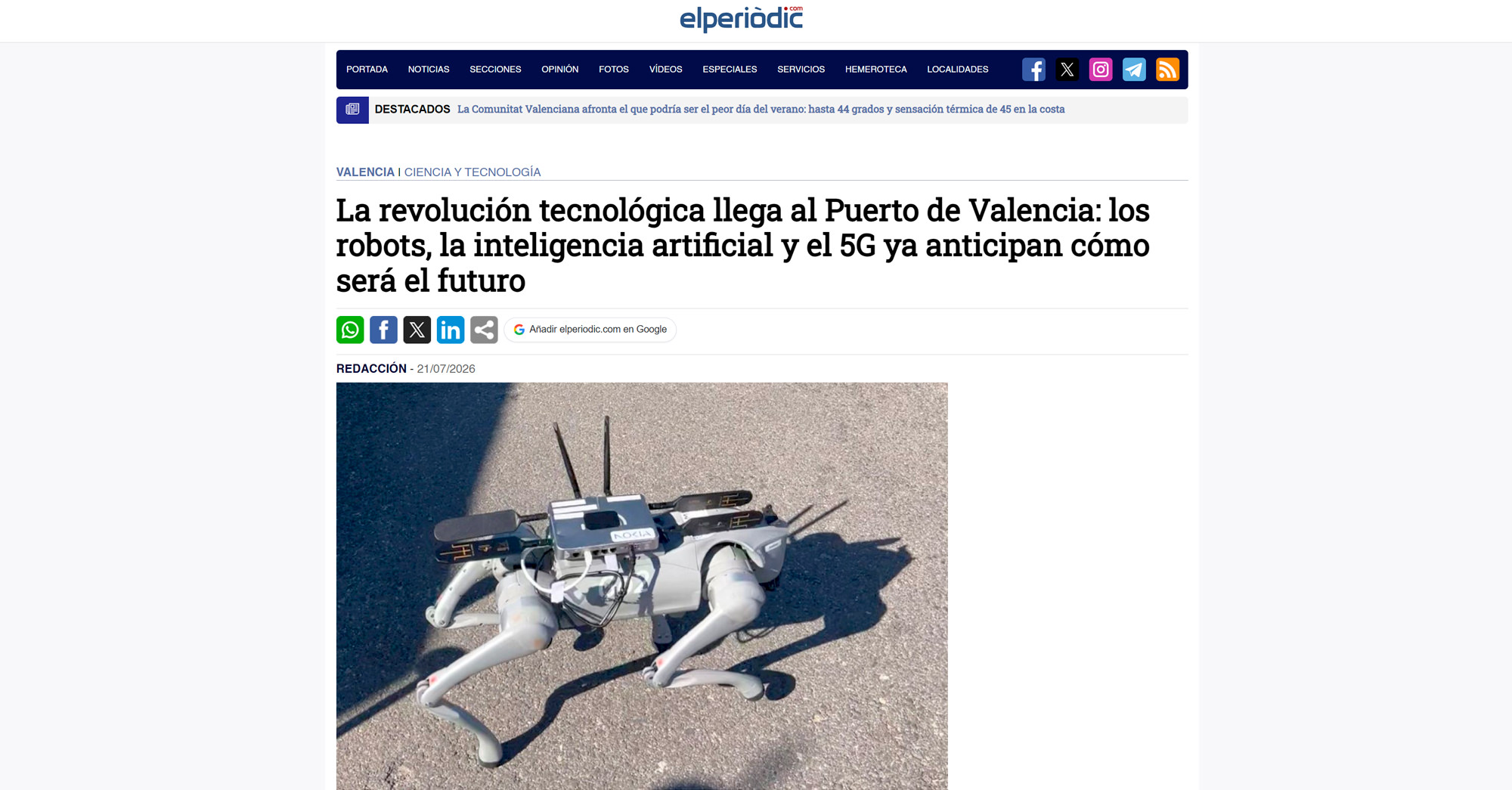
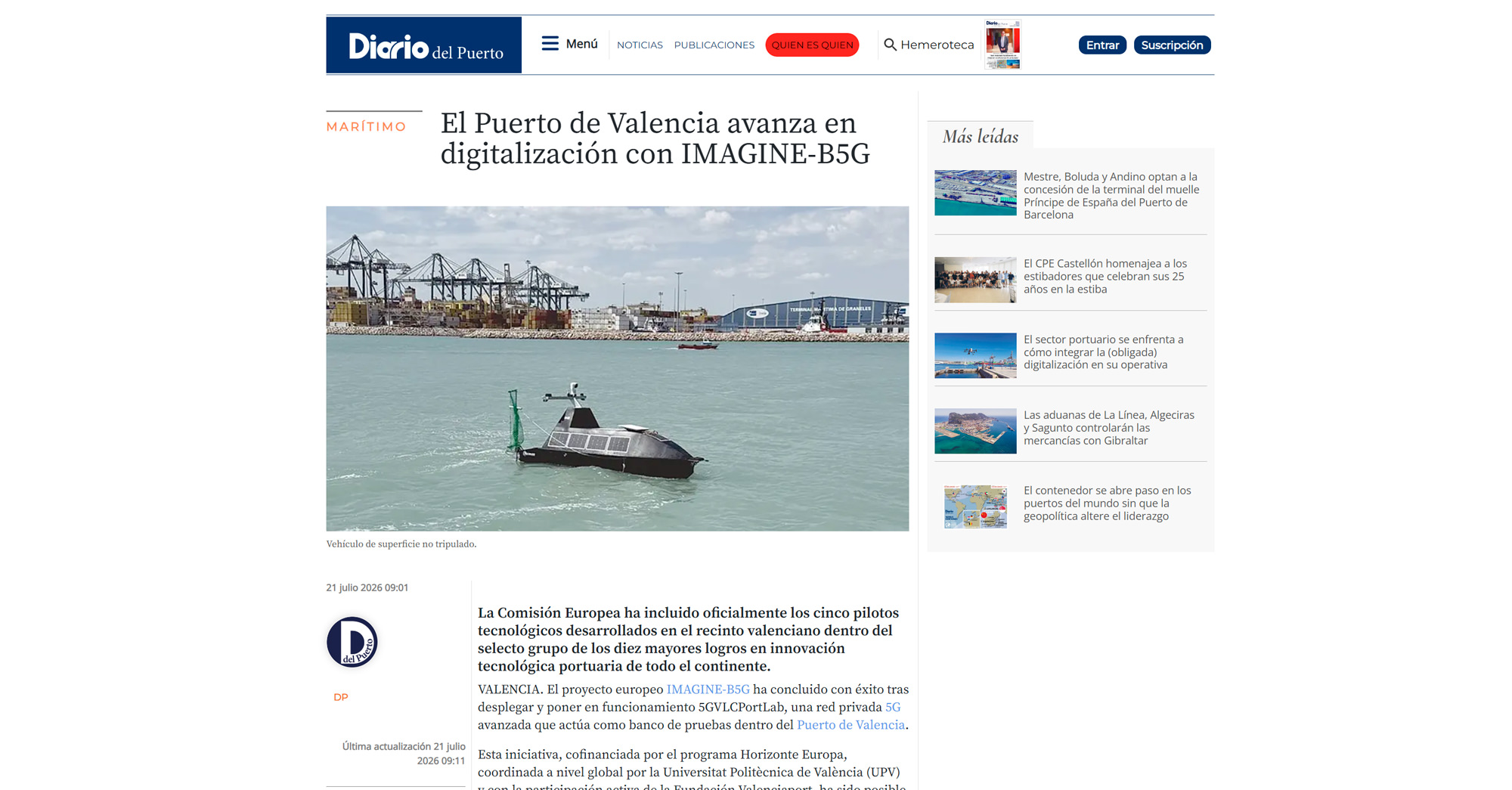
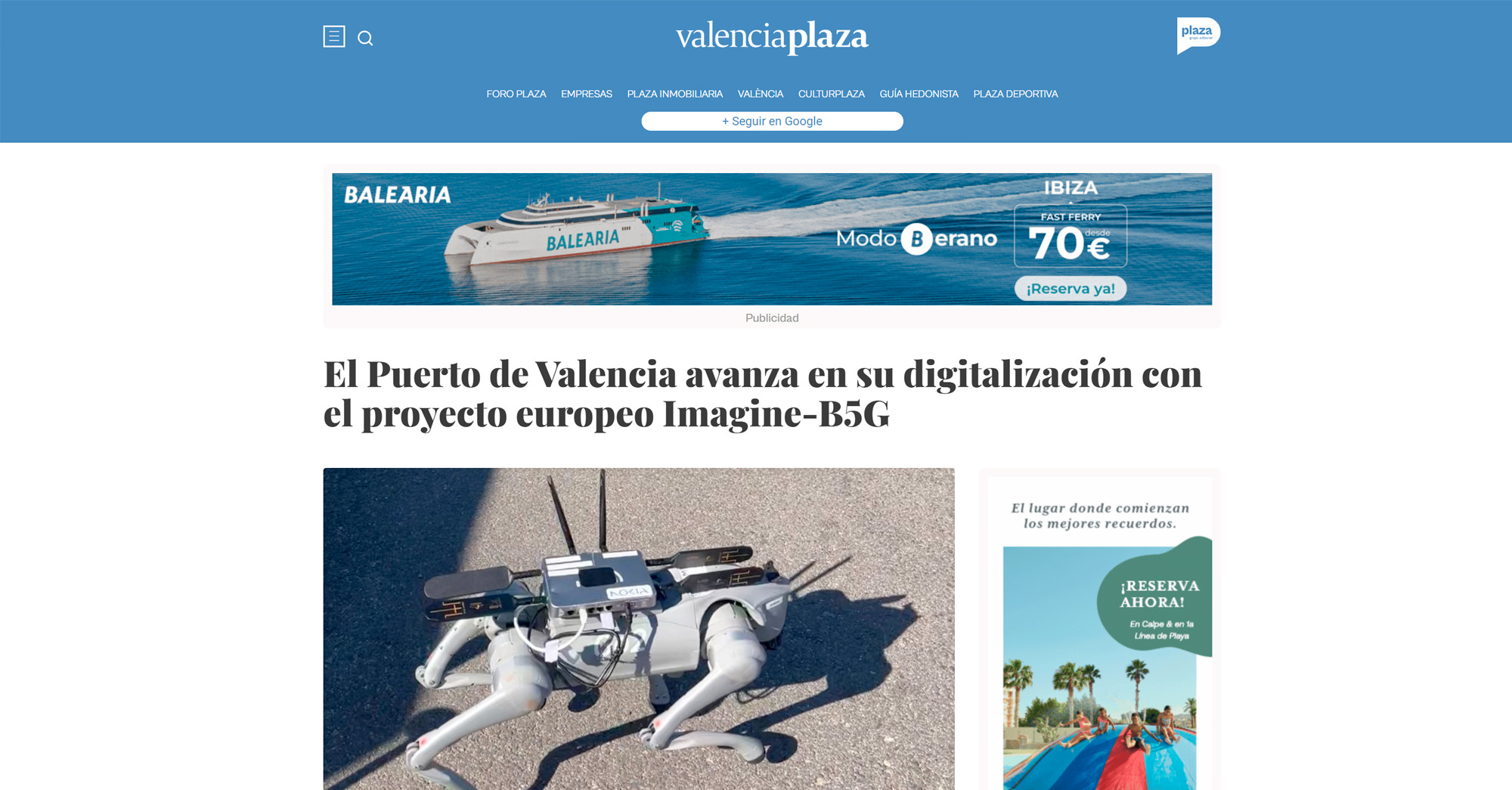
A central focus of the presentation was the COP-PILOT project, highlighted as a large-scale European initiative where OpenSlice plays a core architectural role. In COP-PILOT, OpenSlice (combined with HYPO and secure networking components) supports a federated, multi-domain orchestration environment across five verticals: smart cities, energy, agriculture, manufacturing, and mining. The project already operates a distributed marketplace of orchestration services, enabling cross-domain application deployment and coordination. Katsikas detailed a representative smart-city pilot in Valencia, where multiple applications (traffic management, flood mitigation, port operations, and waste management) interact and exchange data across domains. These interactions rely on federated data infrastructures (e.g., FIWARE context brokers using NGSI-LD), with secure, policy-driven data exchange enforced via identity-based networking (OpenZiti). The key innovation direction in COP-PILOT is to elevate data into the orchestration layer – allowing secure, governed, and dynamic data integration into composite services, addressing challenges such as data exposure, compliance, and cross-domain governance. This positions OpenSlice not just as a network/service orchestrator, but as a potential enabler of data space federation and data-driven service composition in future European digital infrastructures.
The session highlighted the strategic relevance of projects like COP-PILOT in shaping future European approaches to secure, interoperable, and intelligent digital infrastructures. By extending orchestration capabilities beyond traditional compute and networking functions to include trusted data integration and governance, COP-PILOT contributes to the development of scalable multi-domain ecosystems capable of supporting complex cross-sector services. The work presented by UBITECH and the partners reinforces the importance of data-aware orchestration as a key building block for the next generation of federated European digital and edge infrastructures.