



Cluster 3A focused on demonstrating how digital, autonomous, and interoperable solutions can improve productivity, sustainability, and resilience in modern agricultural systems, while ensuring trust, data sovereignty, and scalability across the agri-food value chain. Over the first project year, the cluster successfully transitioned from conceptual design to early deployment activities, laying the technical and organisational foundations for innovative agricultural pilots integrating precision farming, agri-robotics, secure data management, and smart supply chains.
Technical Progress: From Design to Early Deployment
The first phase of Cluster 3A activities focused on laying the foundations for the agricultural pilots by setting up the key modules, digital services, and hardware components needed for the operational deployment of ATSI. The work performed prepared the ground for progressive roll-out and real-world testing, ensuring that the technologies can be smoothly integrated and validated in operational environments along the AgriFood supply chain in the next phases of the project.
UC#3A.1 – Integrated Precision Agriculture and Crop Monitoring
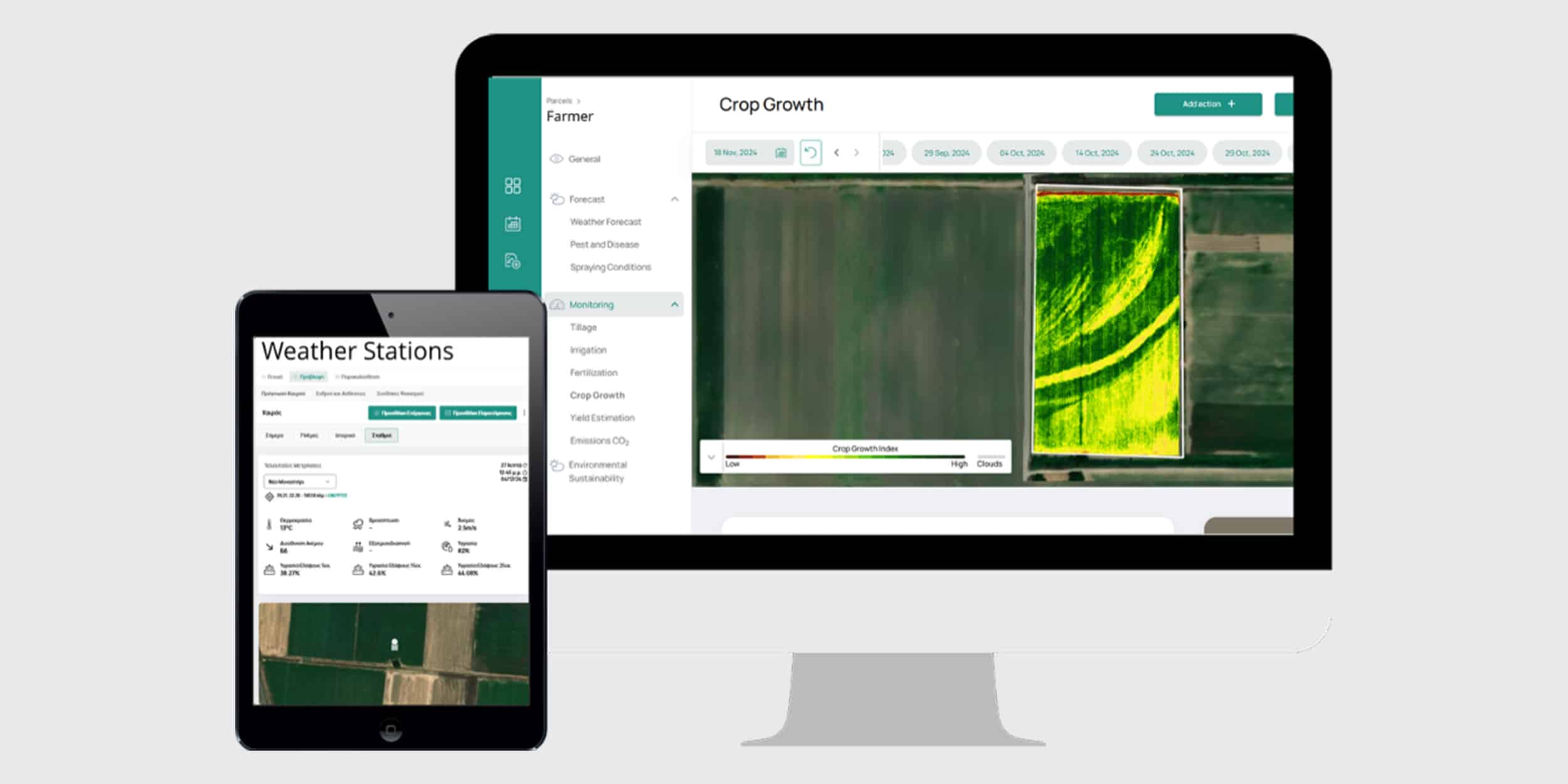
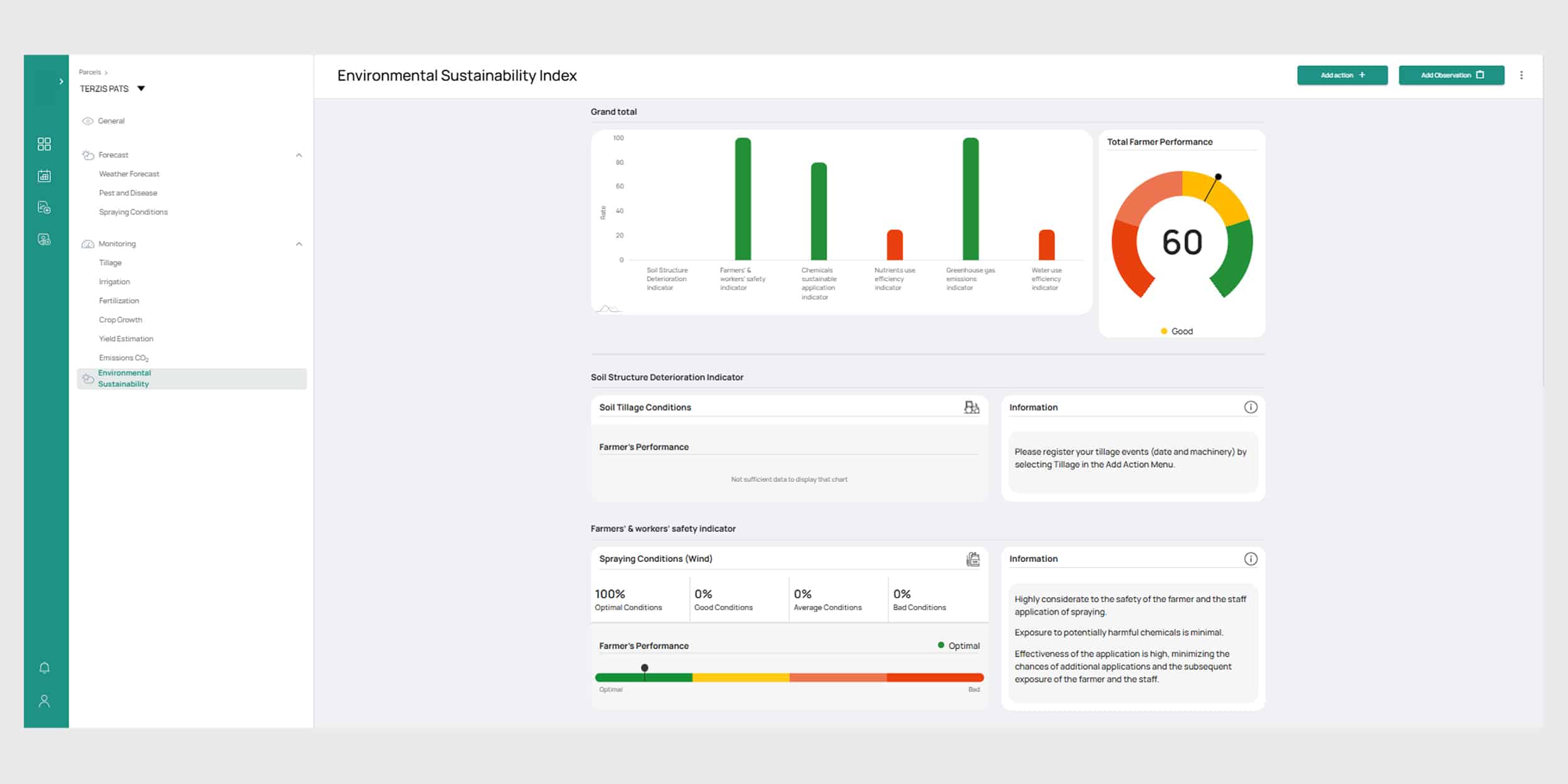
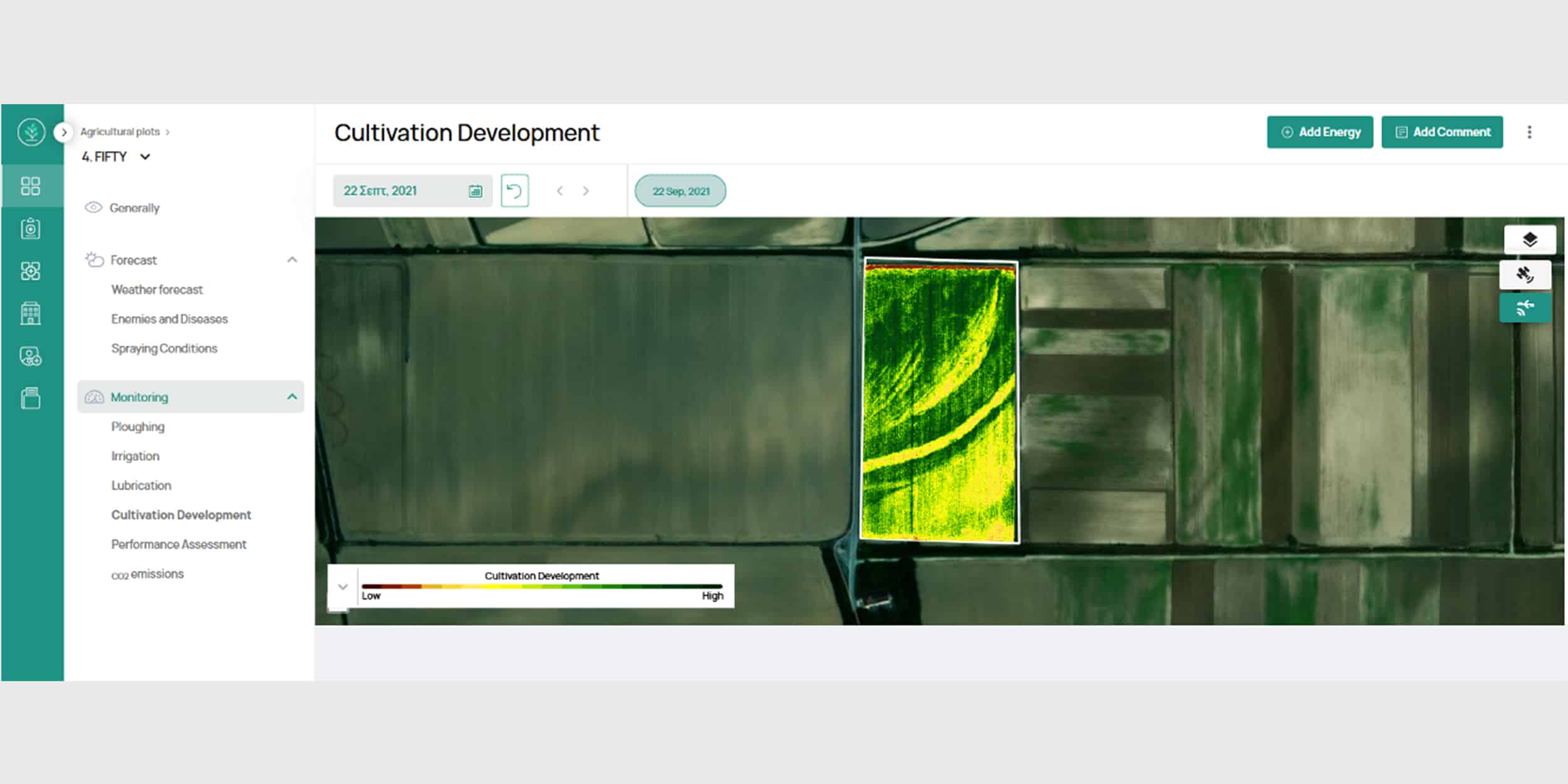
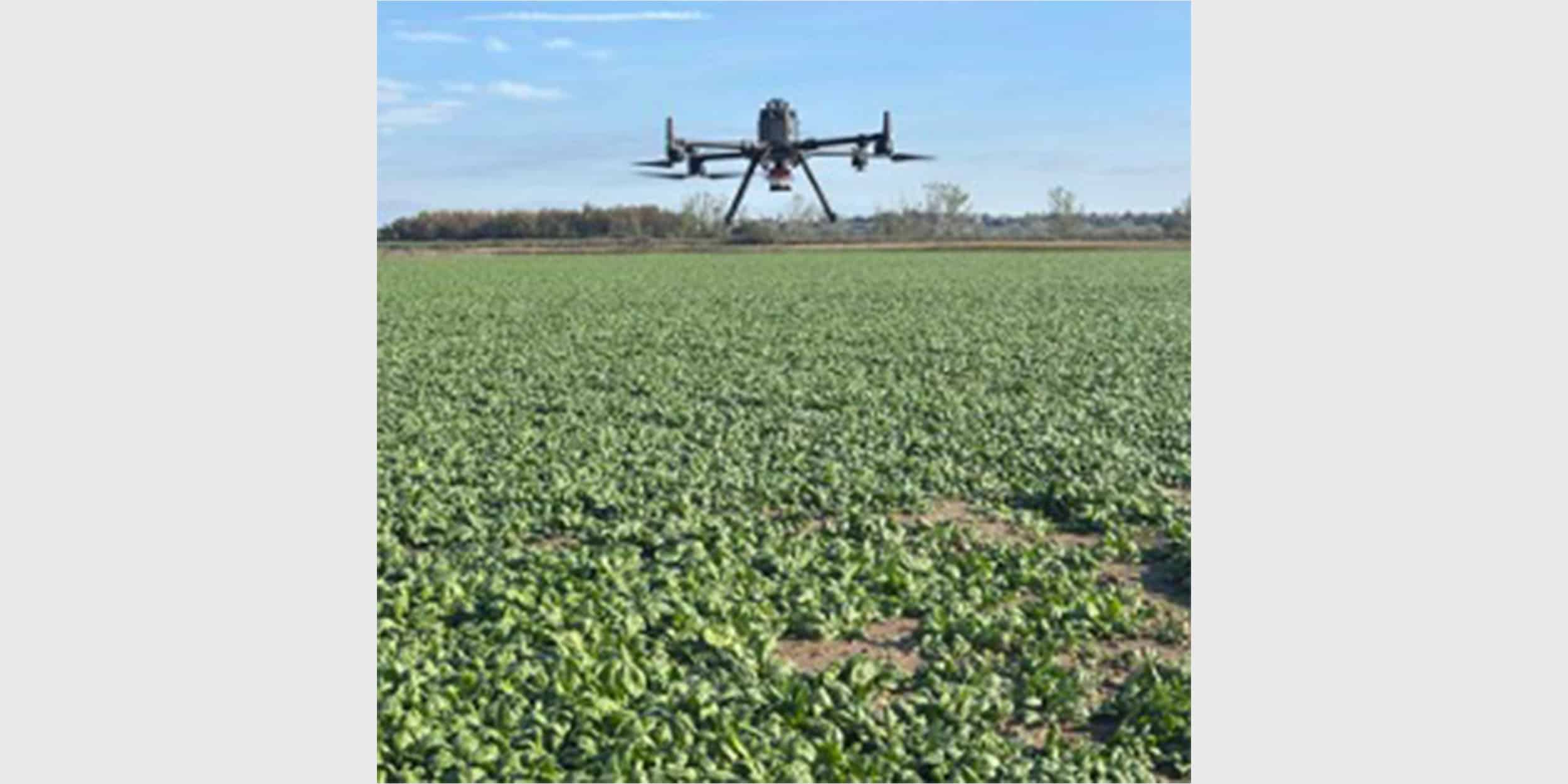
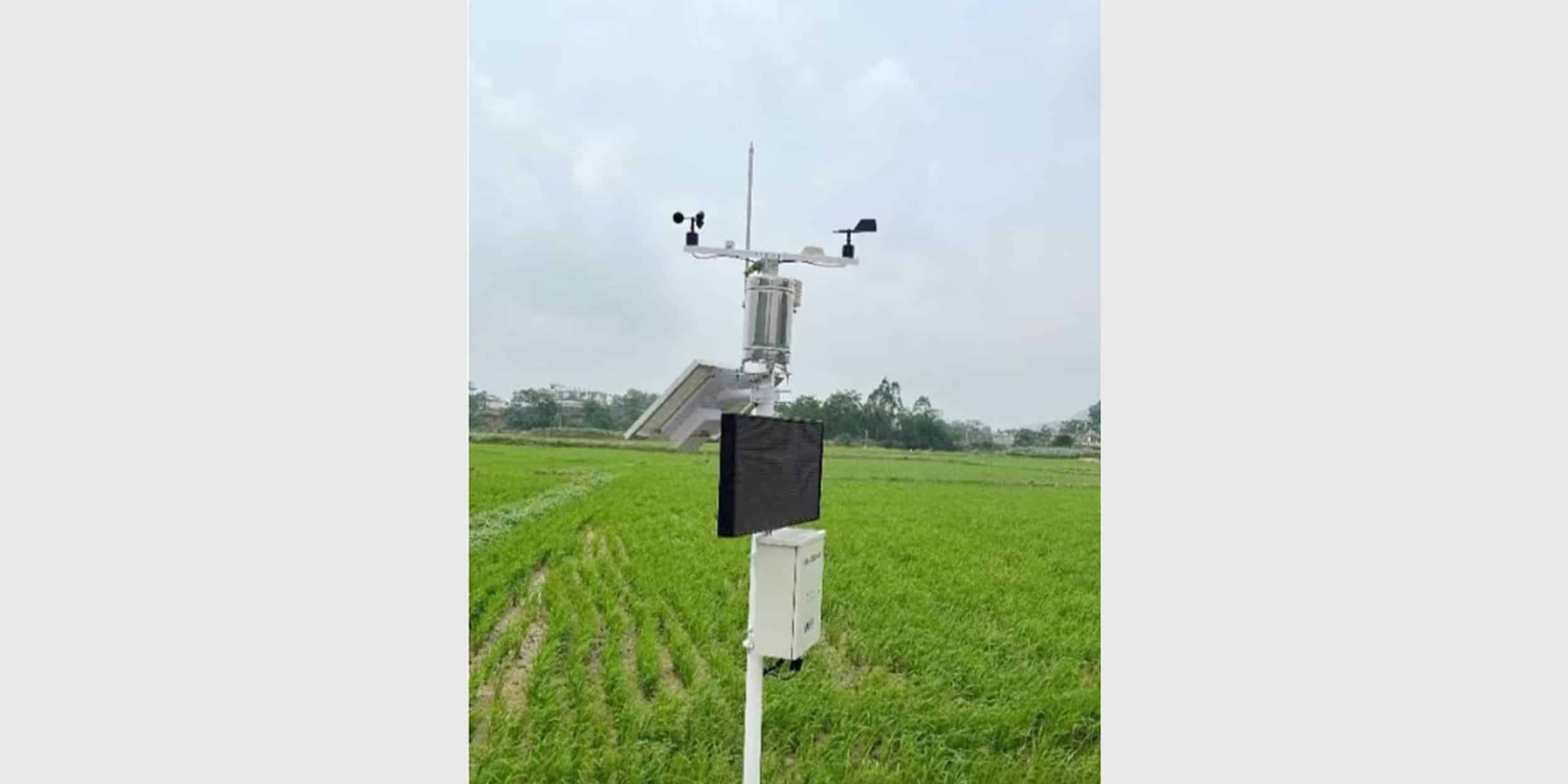
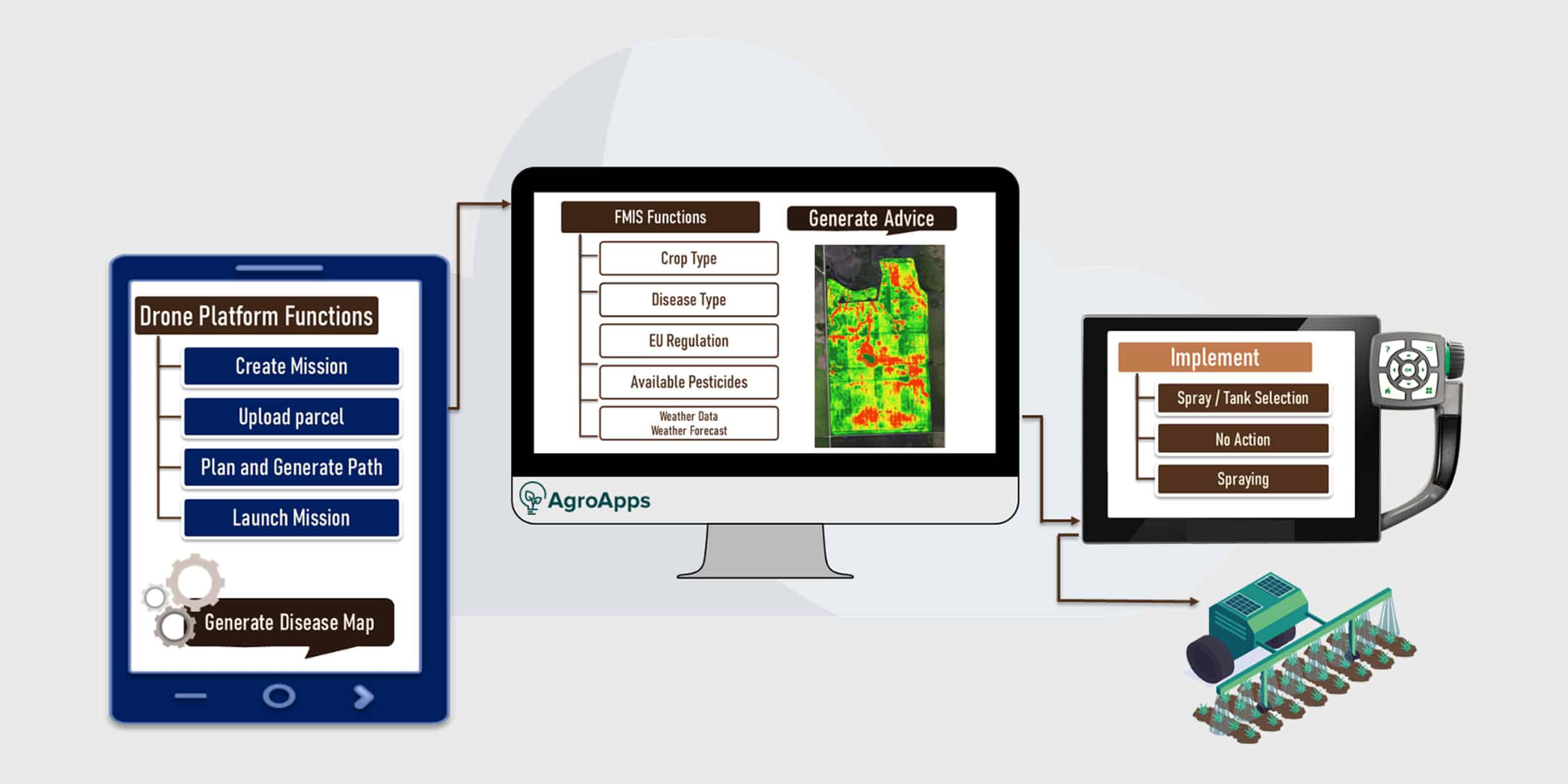
During Phase 1 of UC#3A.1, the AgroApps 360 platform was upscaled and enriched to bring together data from multiple sources into a single, coherent view of crop conditions. Τhis phase expanded AgroApps 360 FMIS platform capabilities by integrating a vast network of local weather stations and a new direct link with UAV-based crop imagery that now fuses directly into the platform, apart from satellite data from Copernicus Missions.
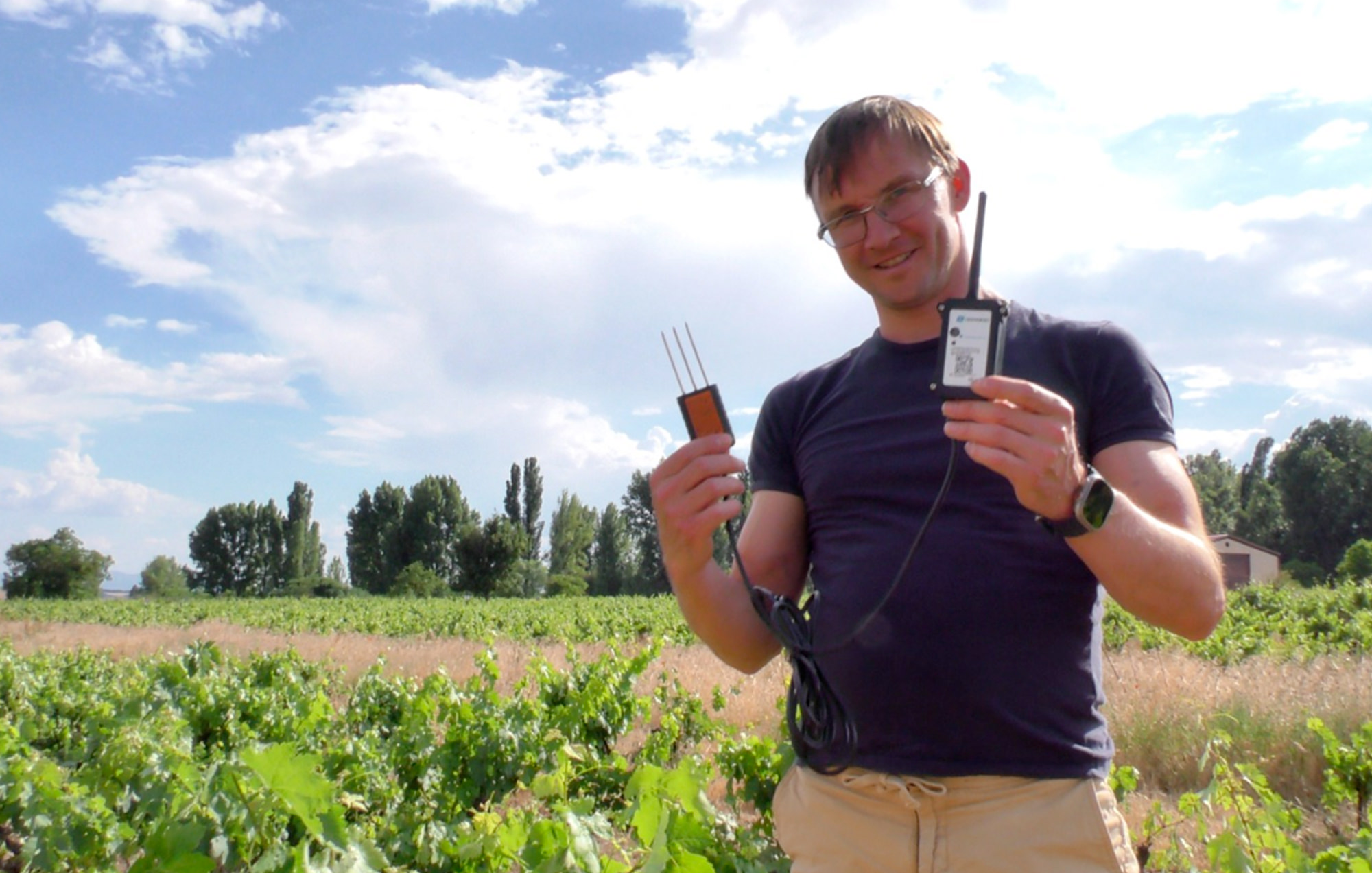
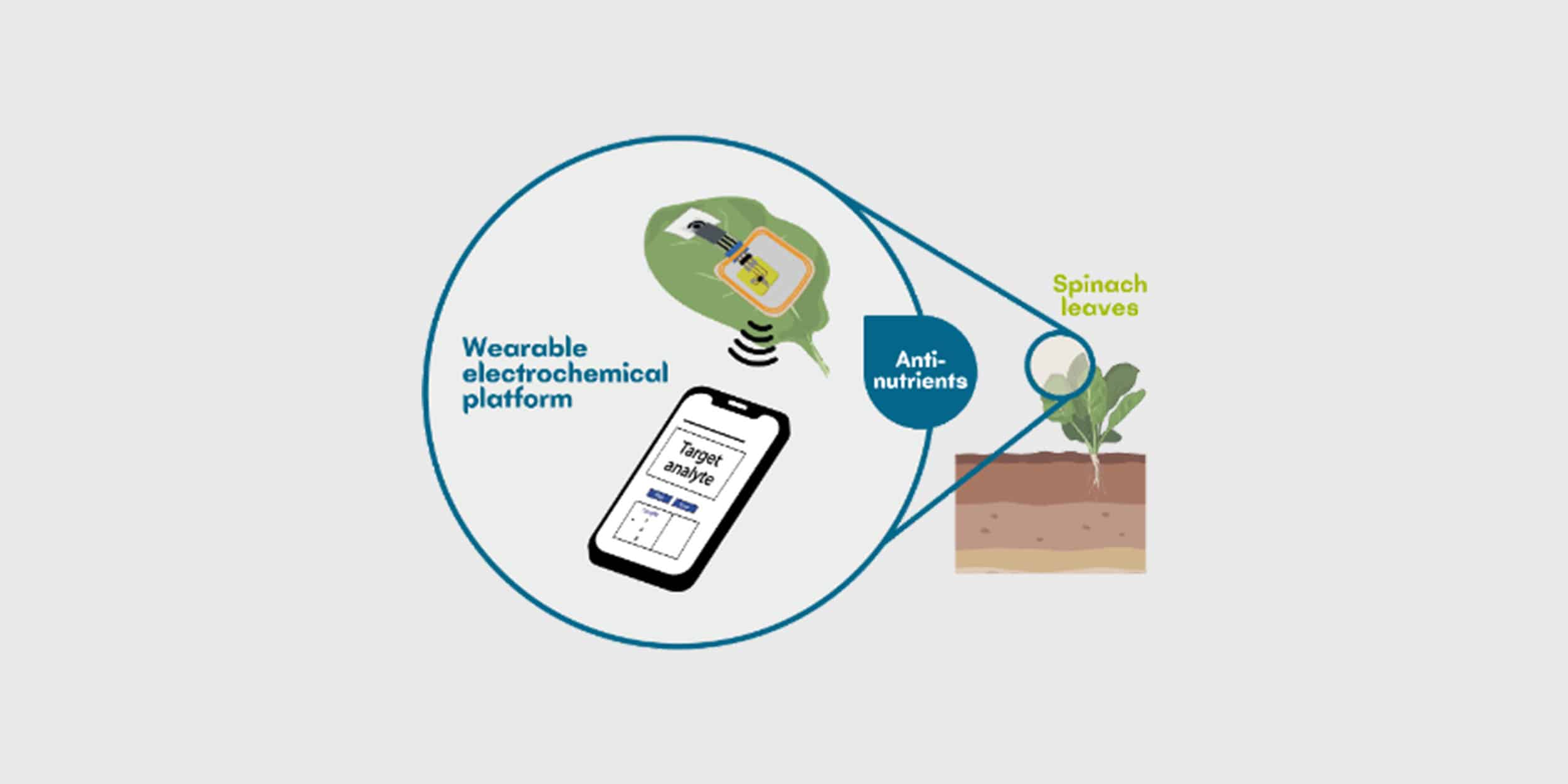
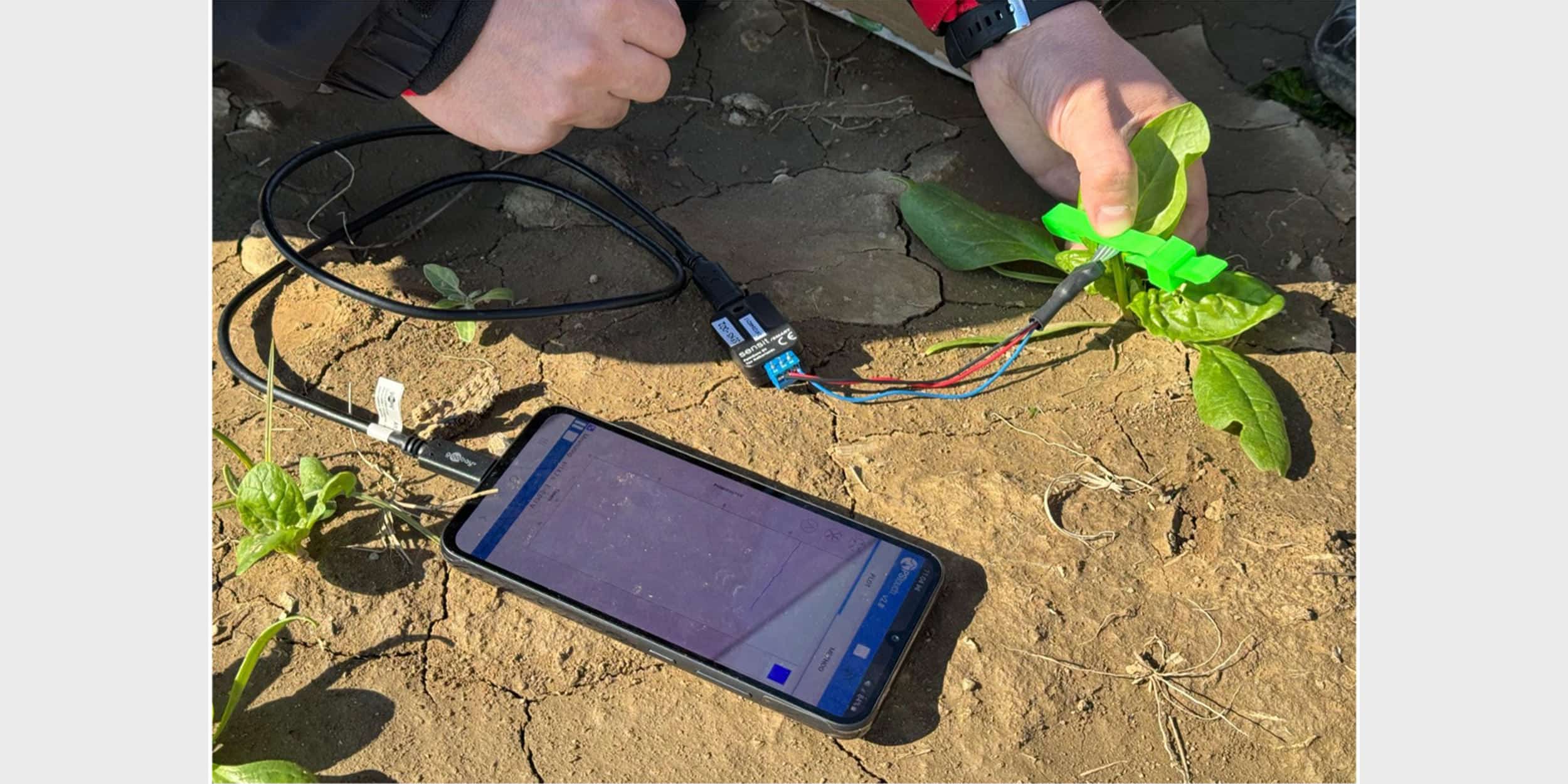
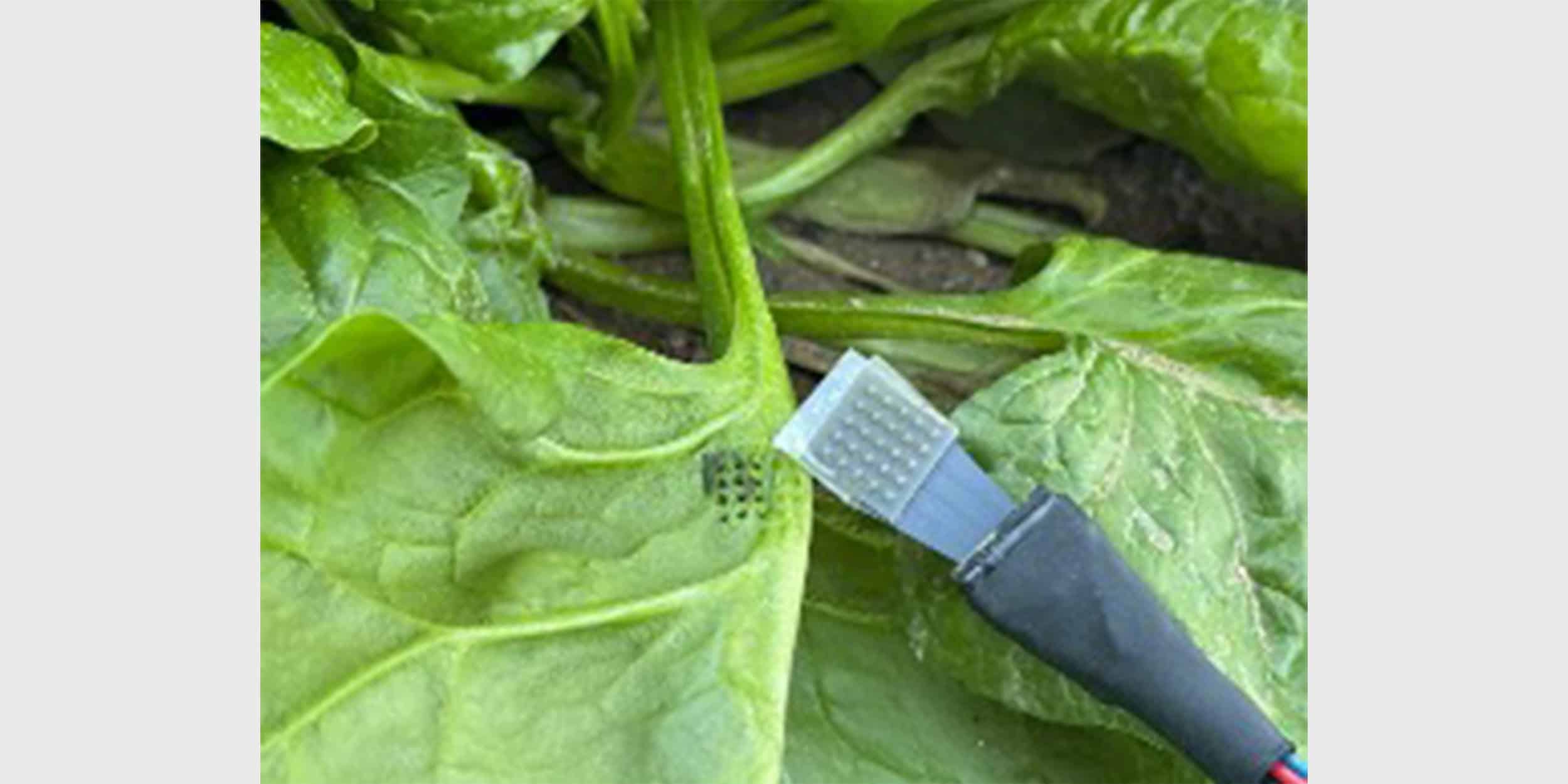
In parallel, wearable plant sensors designed to monitor antinutrient concentrations were installed directly on crop leaves, enabling in situ measurement of key physiological indicators. By combining ground-based sensors, UAV imagery, and satellite observations, the system enabled near–real-time visualisation of crop health, stress, and nutritional status, as well as early detection of biotic and abiotic stress factors. These developments established a robust technical baseline for advanced analytics, large-scale deployment, and real-world validation in the upcoming project phases.
UC#3A.2 – Advanced AgriRobotics for Autonomous Intervention
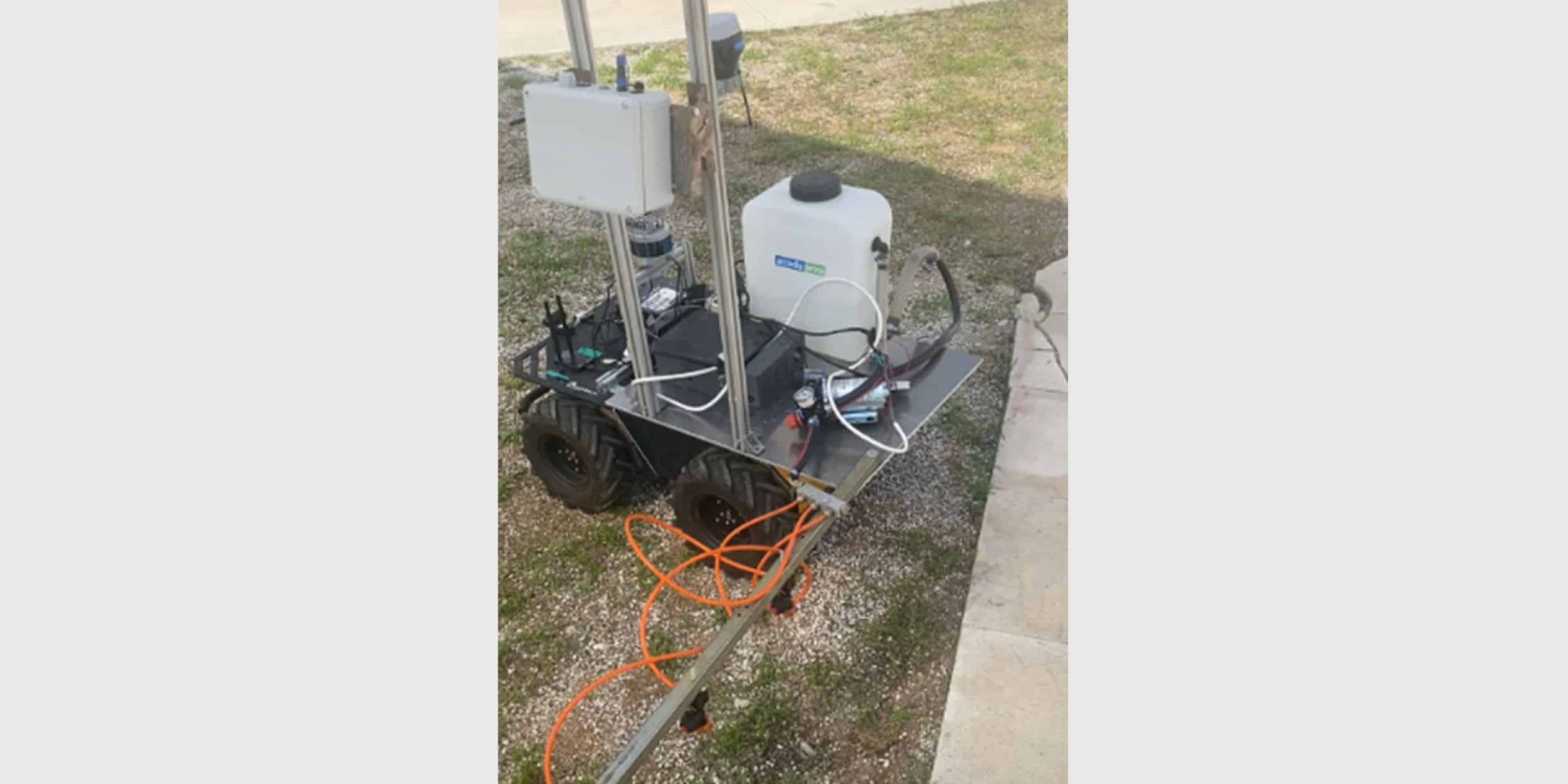
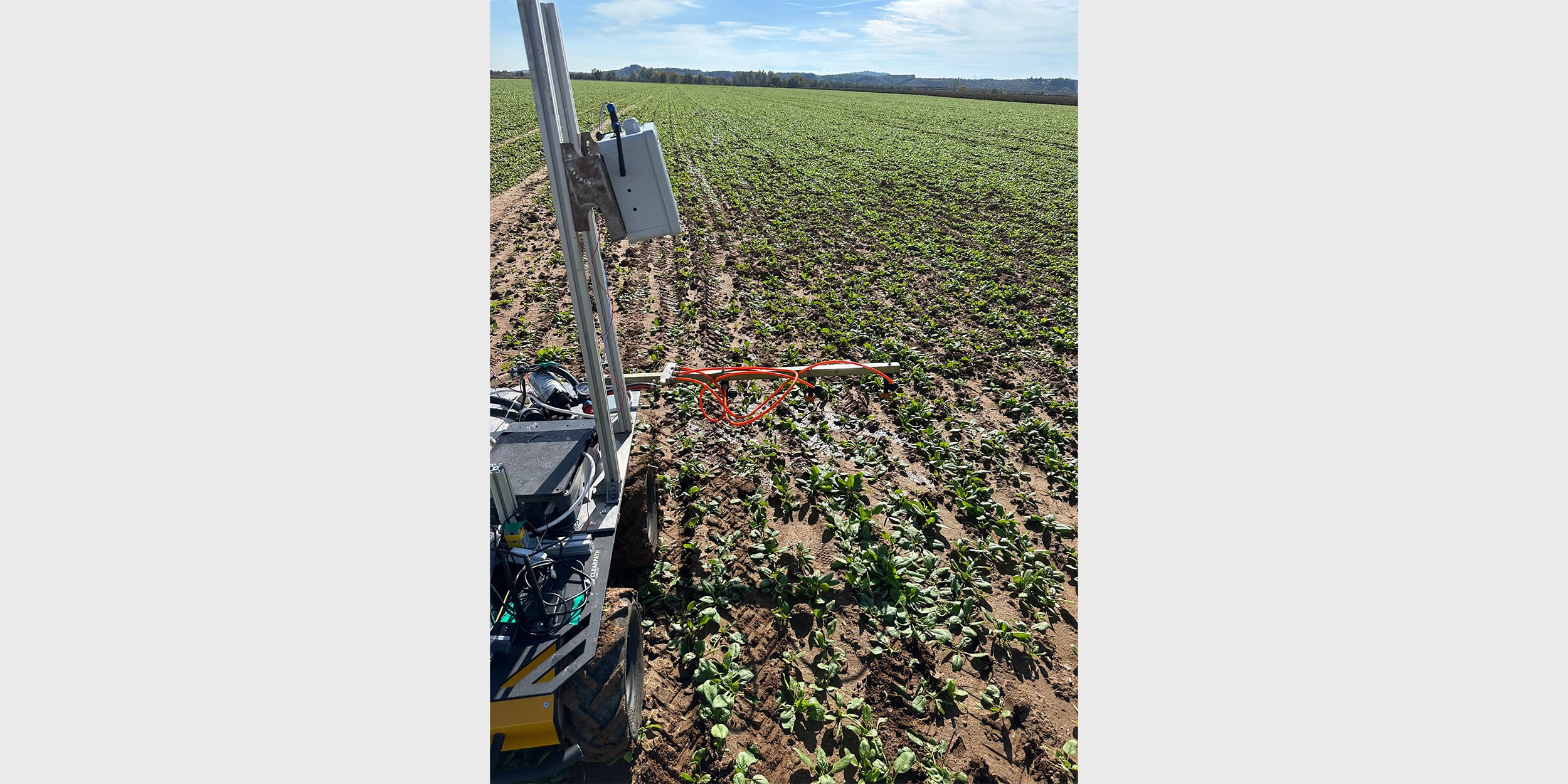
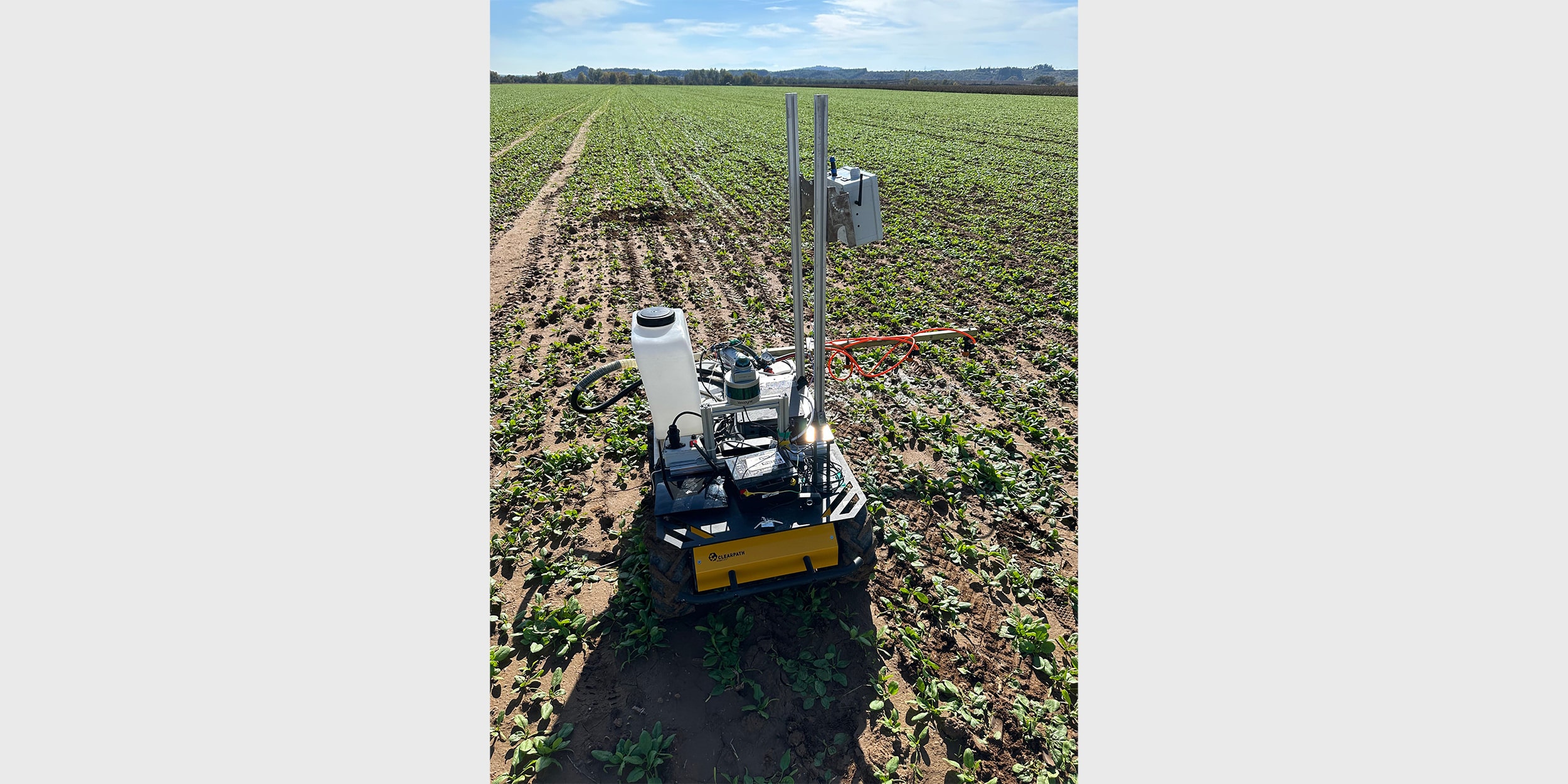
Phase 1 of UC#3A.2 focused on advancing the Unmanned Ground Vehicle (UGV) platform and tightly integrating robotic operations with the digital farm ecosystem. The UGV was further developed to support autonomous navigation, sensor-based data acquisition, and near–real-time communication with external digital services, enabling the execution of scouting missions under realistic field conditions.
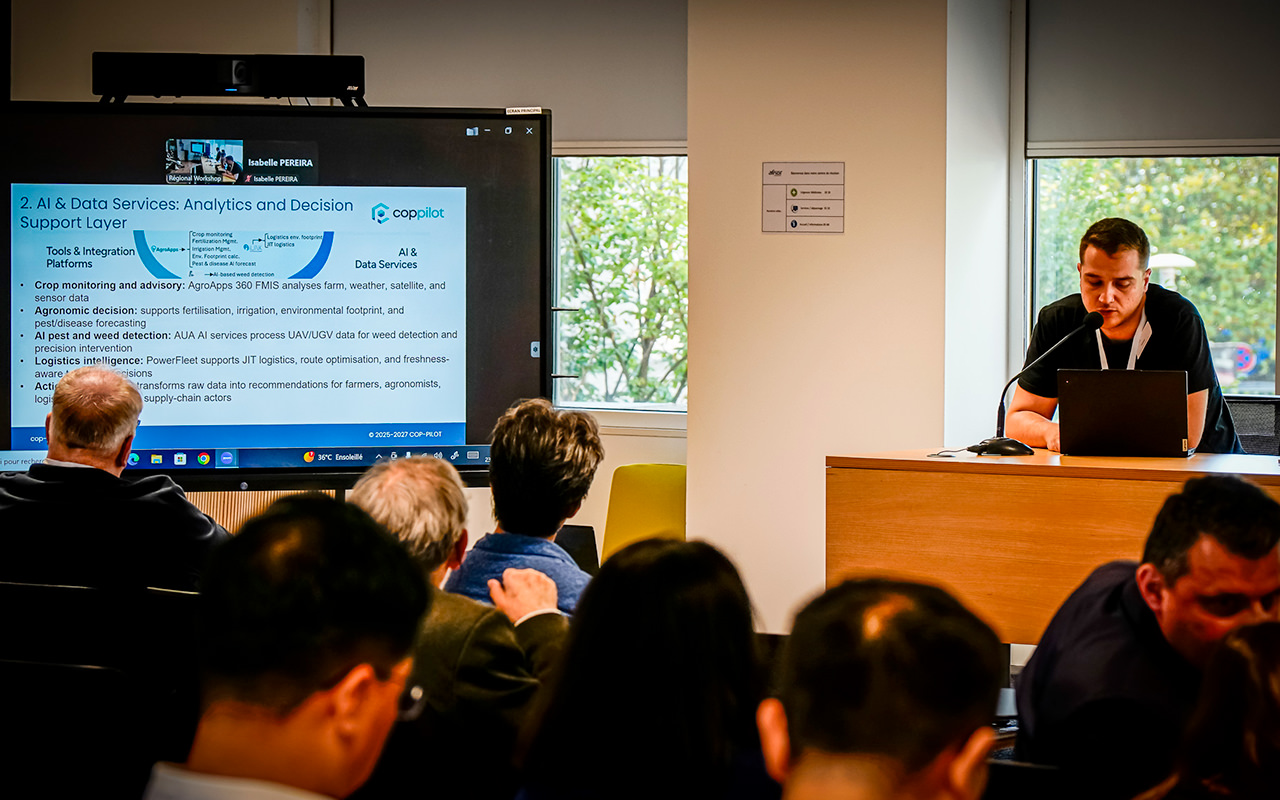
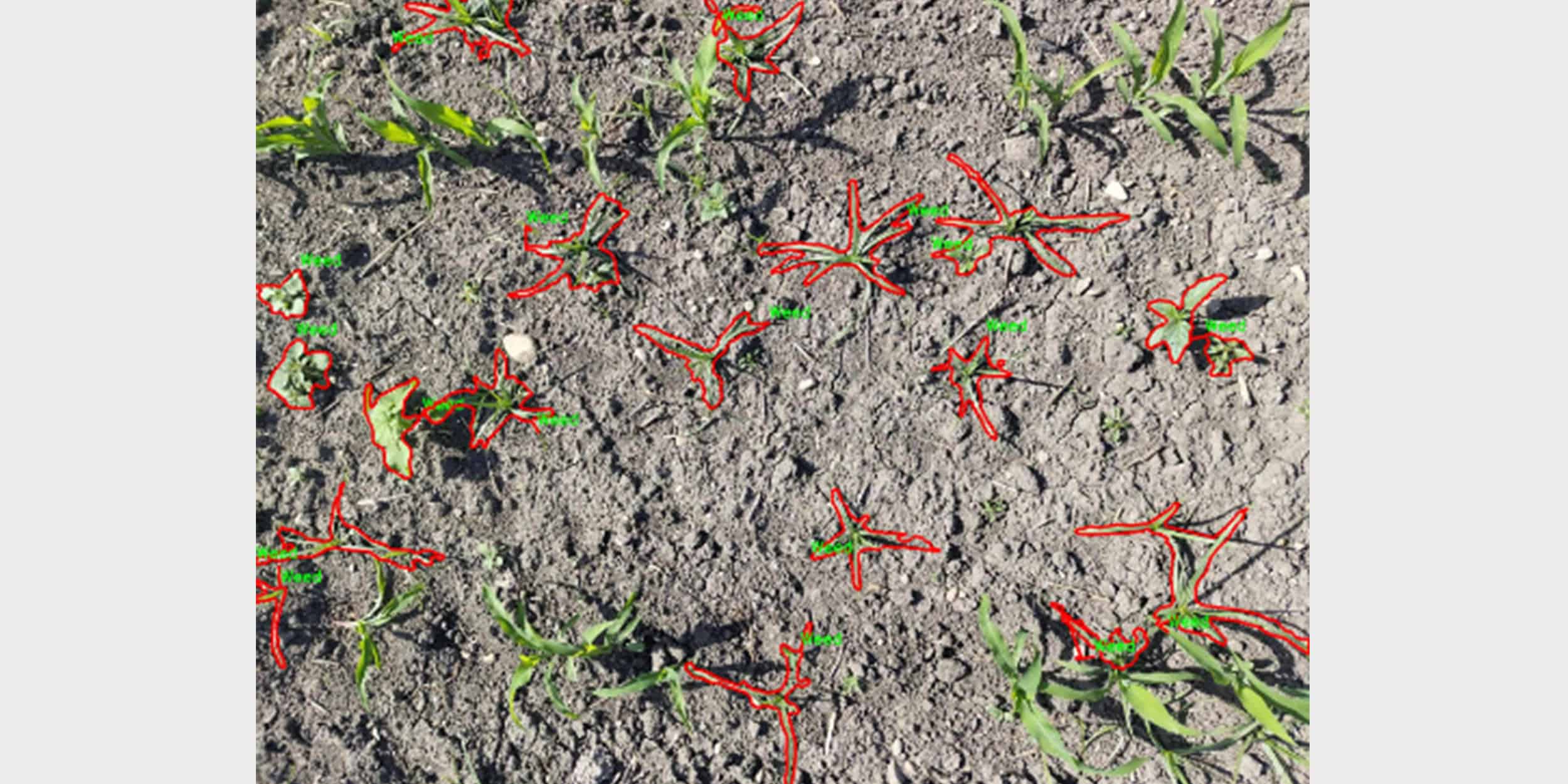
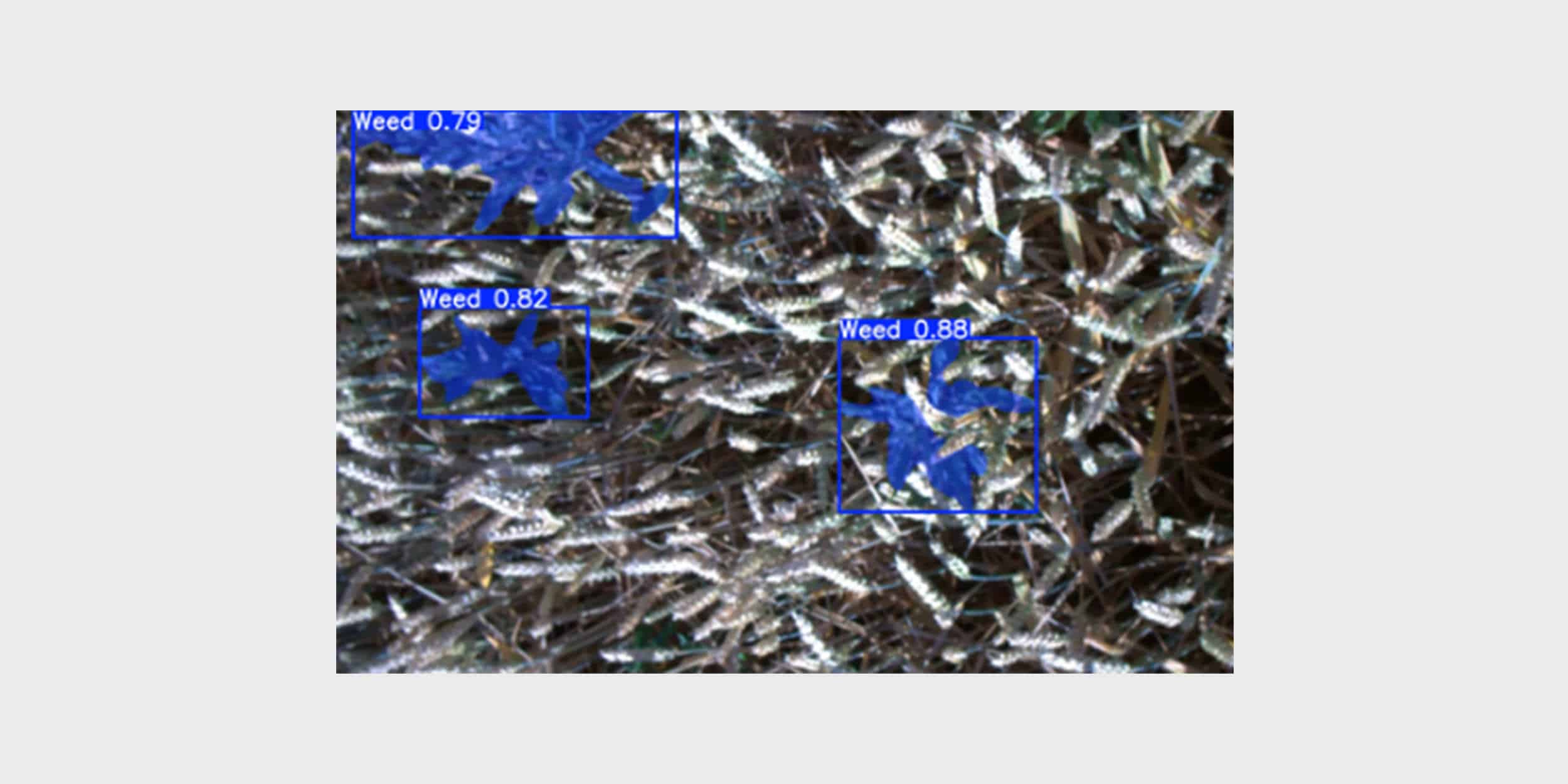
An AI-based weed detection service was developed and deployed to process field imagery and identify weed presence and spatial distribution. Interfaces were established with AgroApps 360, allowing robotic field data to be fused with existing crop, environmental, and satellite information. At the same time, AI services running on Agricultural University of Athens (AUA) infrastructure were connected to the UGV workflows. Together, these integrations laid the groundwork for autonomous scouting and targeted interventions, including precision weed spraying, supporting a smooth transition toward real-world deployment and validation.
UC#3A.3 – Secure Data Management and Interoperability
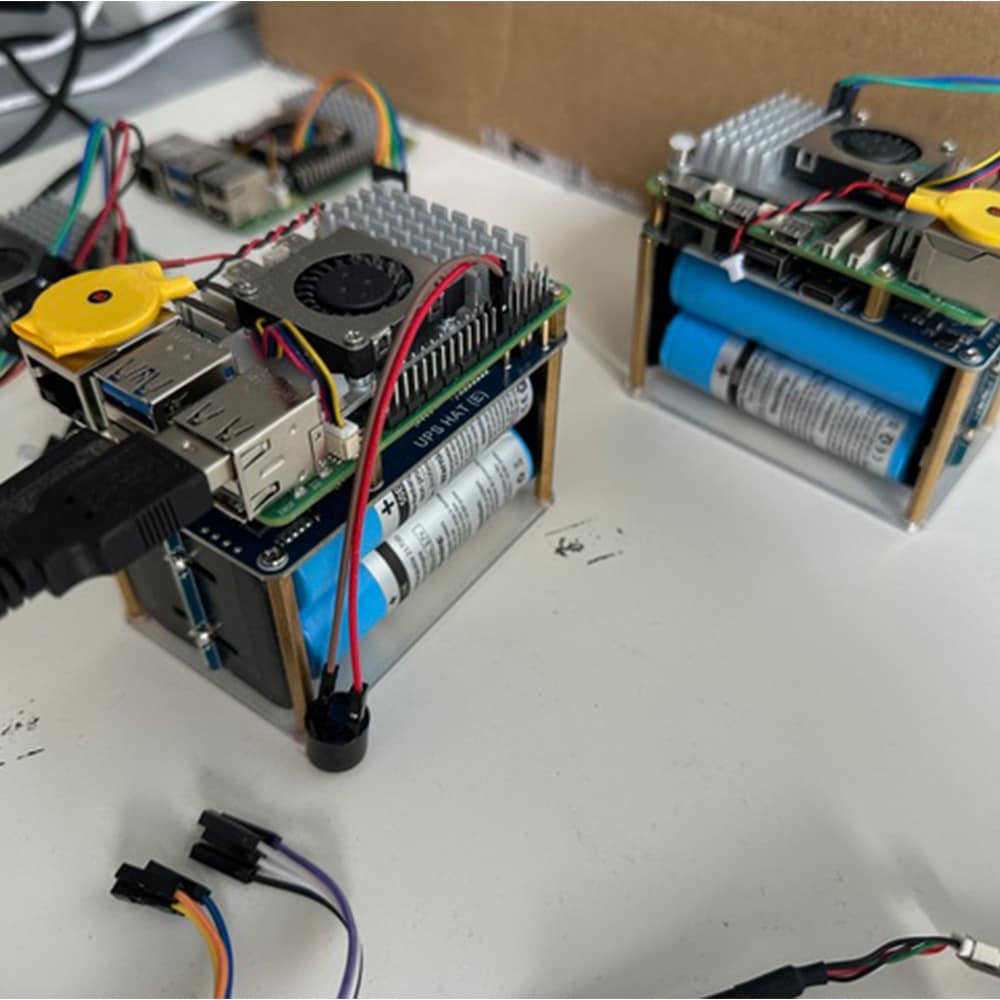
UC#3A.3 concentrated on establishing a secure and trustworthy foundation for data exchange across the agri-food value chain. Work commenced on the implementation of a multi-cloud infrastructure and the COP-PILOT orchestration layer to support interoperability across heterogeneous systems.
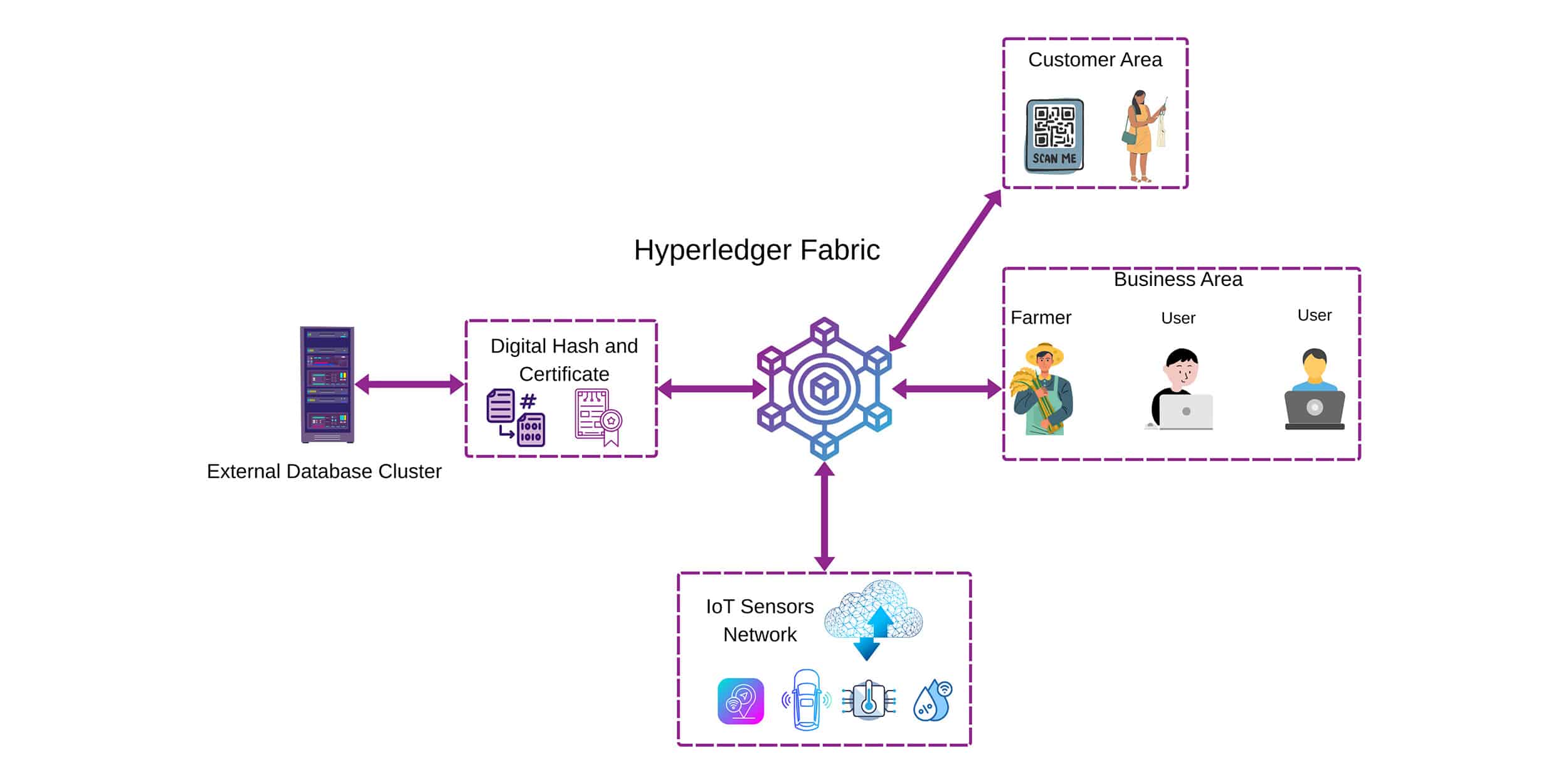
The groundwork for a blockchain-based mechanism using Hyperledger Fabric was laid to enable secure and immutable logging of critical field and supply-chain data. This included defining GDPR-compliant data access rules and developing initial interoperable APIs to connect field-level applications (such as AgroApps 360 and logistics platforms) with the secure infrastructure. These efforts ensured that data sovereignty, traceability, and trust were embedded by design across Cluster 3A use cases.
UC#3A.4 – Smart Logistics and Supply Chain Optimisation
During Phase 1 of UC#3A.4, the foundational architecture for intelligent, transparent, and resilient farm-to-fork logistics was defined. The focus was on establishing the components required to support Just-In-Time logistics and real-time tracking, which are essential for maintaining the quality and freshness of perishable leafy vegetables.
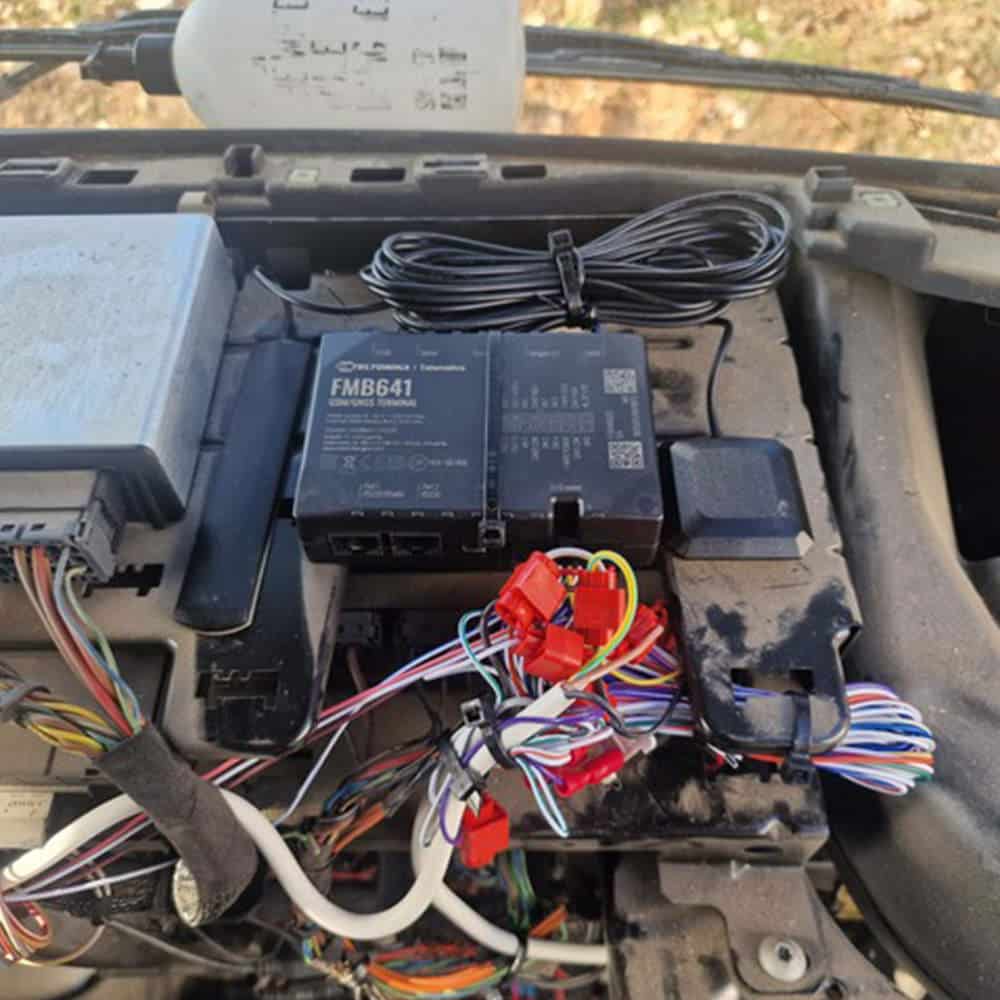
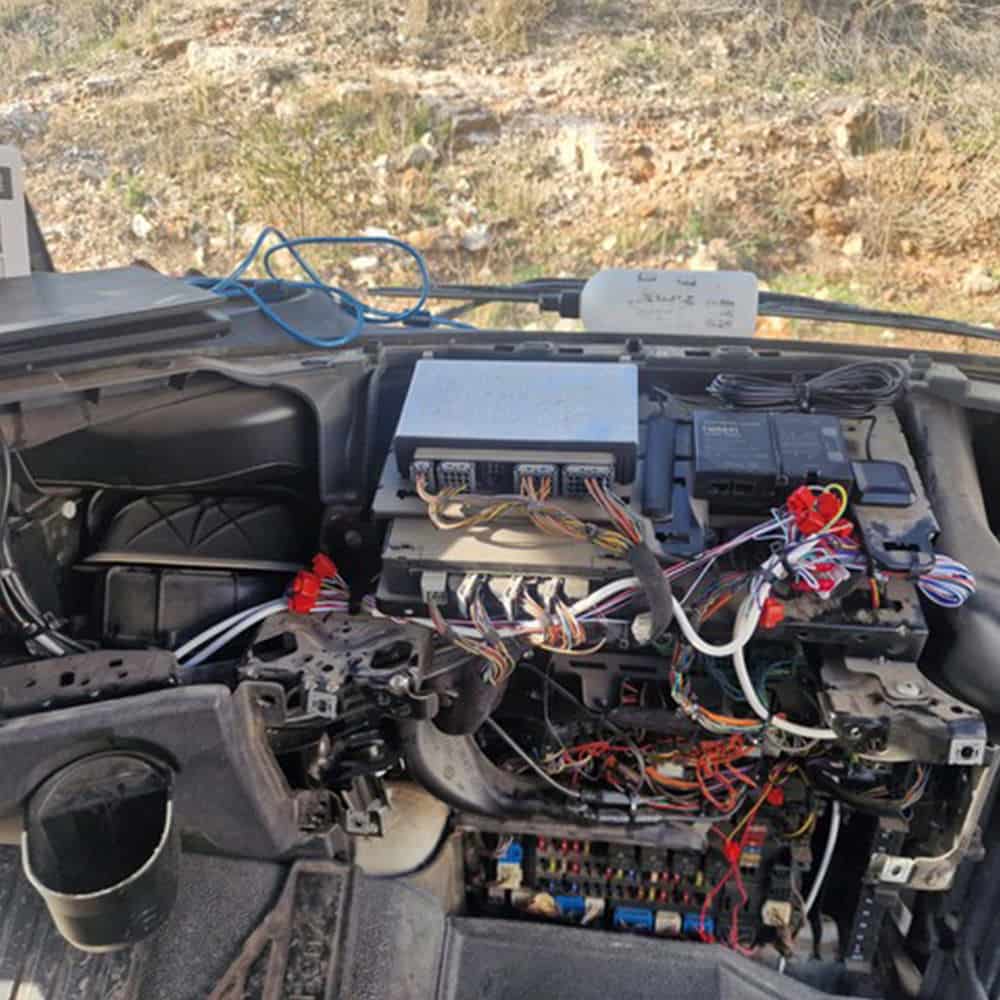
Specifications were finalised for deploying telemetry devices and geolocation services on both owned and outsourced transport vehicles, enabling continuous visibility into vehicle location, status, and handling conditions. Integration points with the Hyperledger Fabric blockchain infrastructure were defined to ensure that critical supply-chain events (such as harvest, transfer points, and delivery completion) are immutably recorded. Initial interfaces were also designed to connect real-time logistics data with the COP-PILOT orchestration layer, laying the basis for future AI-driven routing optimisation to reduce fuel consumption, CO₂ emissions, and time to market.
Strategic Outreach and Scientific Impact
Alongside technical development, Cluster 3A maintained a strong presence in European innovation, research, and industry forums, positioning COP-PILOT as a practical enabler of digital and interoperable agriculture.
Cluster activities were showcased at BEYOND Expo, where AgroApps engaged directly with AgriFood stakeholders and presented the vision of Cluster 3A, highlighting how interoperable digital platforms can integrate satellite data, UAVs, field sensors, and analytics into operational farming workflows. The cluster’s focus on trusted data sharing and smart logistics was further communicated at the 6th Symposium on Circular Economy and Sustainability, where COP-PILOT use cases were presented as concrete examples of blockchain-enabled, interoperable agri-food systems aligned with the Hourglass Model developed by the CEI-Sphere Consortium.
Industry engagement continued at ANUGA, where Barba Stathis showcased Cluster 3A solutions, demonstrating how IoT, robotics, and interoperability support real-time decision-making, improved resource management, and enhanced competitiveness, in line with the fair’s strong sustainability focus.
Cluster 3A also contributed to European clustering and knowledge-exchange activities at the ICAERUS EU Demonstration Event, where advances in autonomous navigation, real-time weed detection, and precision spraying using UGVs were presented. The event strengthened collaboration with complementary EU-funded initiatives, reinforcing a shared vision for digitally enabled, sustainable agriculture. Additional dissemination activities included participation in the Agrifood Innovation Workshop, where wearable smart sensor technologies developed within the cluster were presented as exploitation-oriented solutions.
From a scientific perspective, partners from the University of Rome Tor Vergata delivered a coherent body of research that underpins Cluster 3A’s sensing technologies.
This included the review “Recent advances in wearable and implantable electrochemical (bio)sensors for plant health monitoring”, which provided a state-of-the-art overview of biosensors for monitoring plant health, agrochemicals, phytohormones, and stress biomarkers.
Building on this foundation, the study “Paper-based metal-air battery electrochemical sensor for smartphone-assisted oxygen monitoring in food packaging” explored Bluetooth-enabled and wireless sensing platforms, informing the development of wearable electrochemical sensors for crop monitoring.
Finally, the research “A 3D Printed Platform for Sample Treatment and Detection of Phytic Acid in Spinach Leaves Using a Paper-Based Electrochemical Biosensor” delivered an analytical platform integrating sample treatment and electrochemical detection, enabling real-time assessment of crop nutritional markers.
Together, these contributions provided both the scientific basis and practical validation for the wearable sensor technologies deployed in Cluster 3A, supporting IoT integration and field-ready monitoring solutions.
Looking Ahead
The first phase of Cluster 3A successfully transformed ambitious concepts into solid technical and scientific foundations. The next phase will focus on operational field deployments, data collection, evaluation, and performance validation, moving decisively toward full pilot demonstrations.
By combining precision monitoring, autonomous intervention, secure data exchange, and smart logistics, Cluster 3A is well-positioned to demonstrate how advanced digital technologies can make the AgriFood sector more sustainable, resilient, and data-driven, fully aligned with the objectives of the COP-PILOT project and the European Green Deal.