





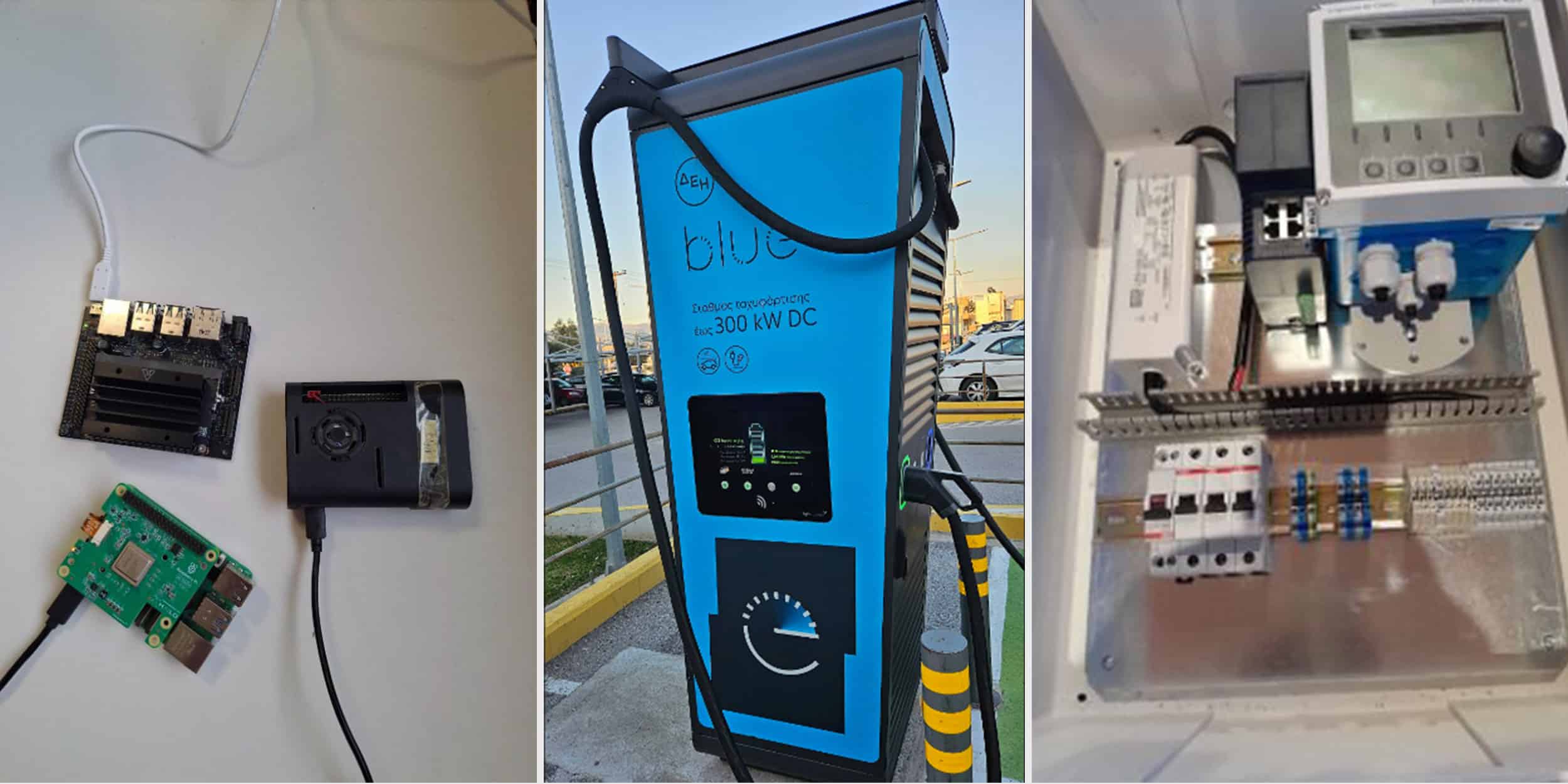
During the second half of 2025, the partners in Cluster 3E: Edge Intelligence for Enhancing Grid Reliability in RES-Rich Distribution Grids did great foundational work. Focused on its real-world implementation in the Preveza and Patras areas of Greece, the cluster successfully transitioned from planning to the physical deployment of smart energy assets. This phase was crucial for establishing the digital backbone required to manage high penetrations of renewable energy sources (RES) and flexible loads like EV chargers, ultimately increasing grid reliability and flexibility.
Technical Progress: Building the Intelligent Energy Infrastructure
The core technical work involved the installation of domain-related sensors for all use cases, initiating real-world data collection, and initial application testing.
UC#3E.1: Harvesting Real-Time Flexibility from Active Electricity Grids
For this use case, the work focused on developing a digital twin of an electric distribution grid. This sophisticated framework integrates real-world grid assets and distributed energy resources (DERs) with a virtual environment, allowing for monitoring, analysis, and system control. Data from diverse sources, including EV chargers, biomass generation stations, and residential neighborhoods, are collected at the edge through a simulator running on edge computing devices (Rpis). This data is then transmitted to a central platform, where it is harmonized and made available for decision-making (figure1). A lab setup was created to support development and testing, where an NVIDIA Jetson hosts the central platform, while Raspberry Pi devices simulate the distributed energy resources (Figure 2).
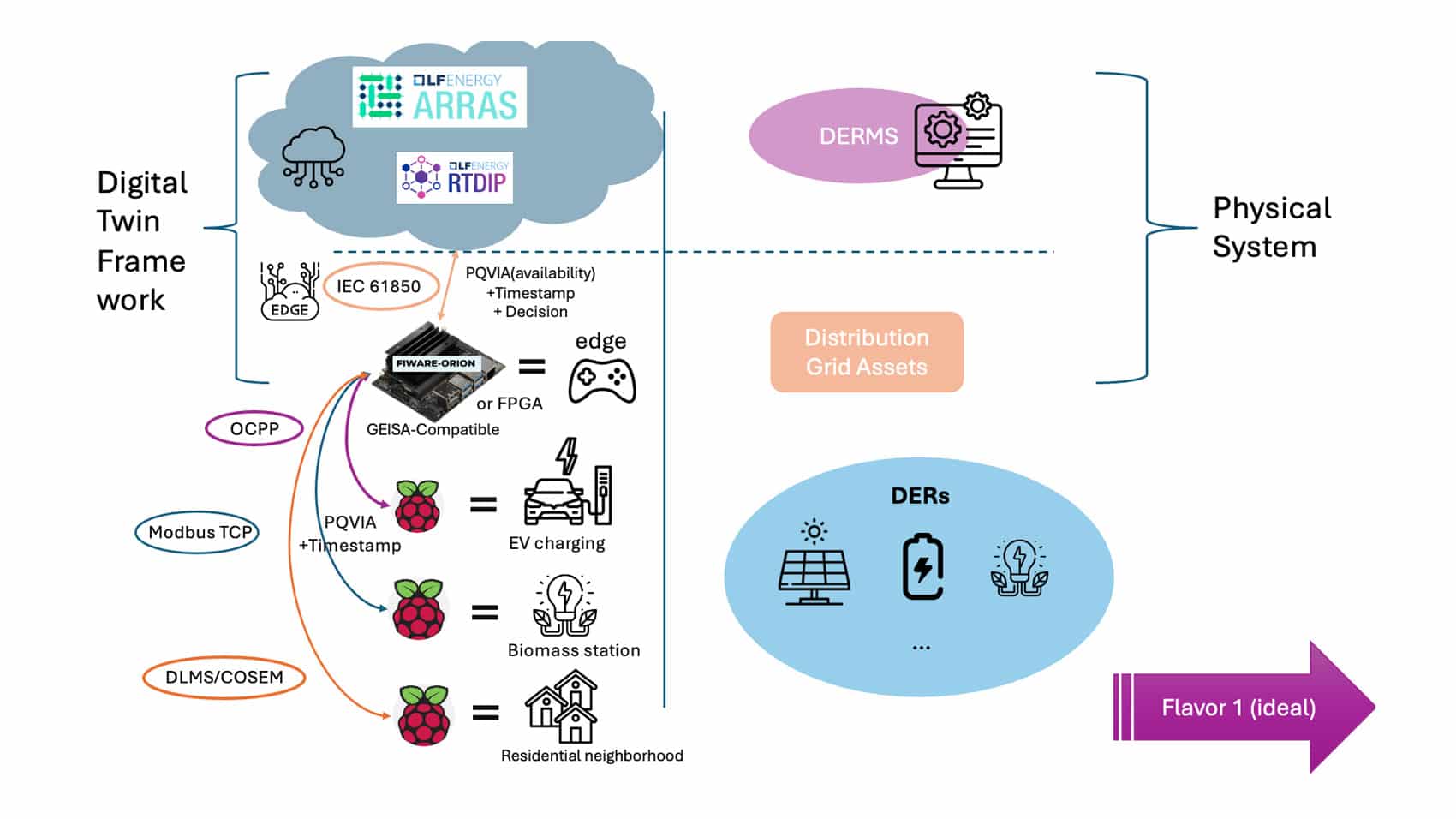
Figure 1
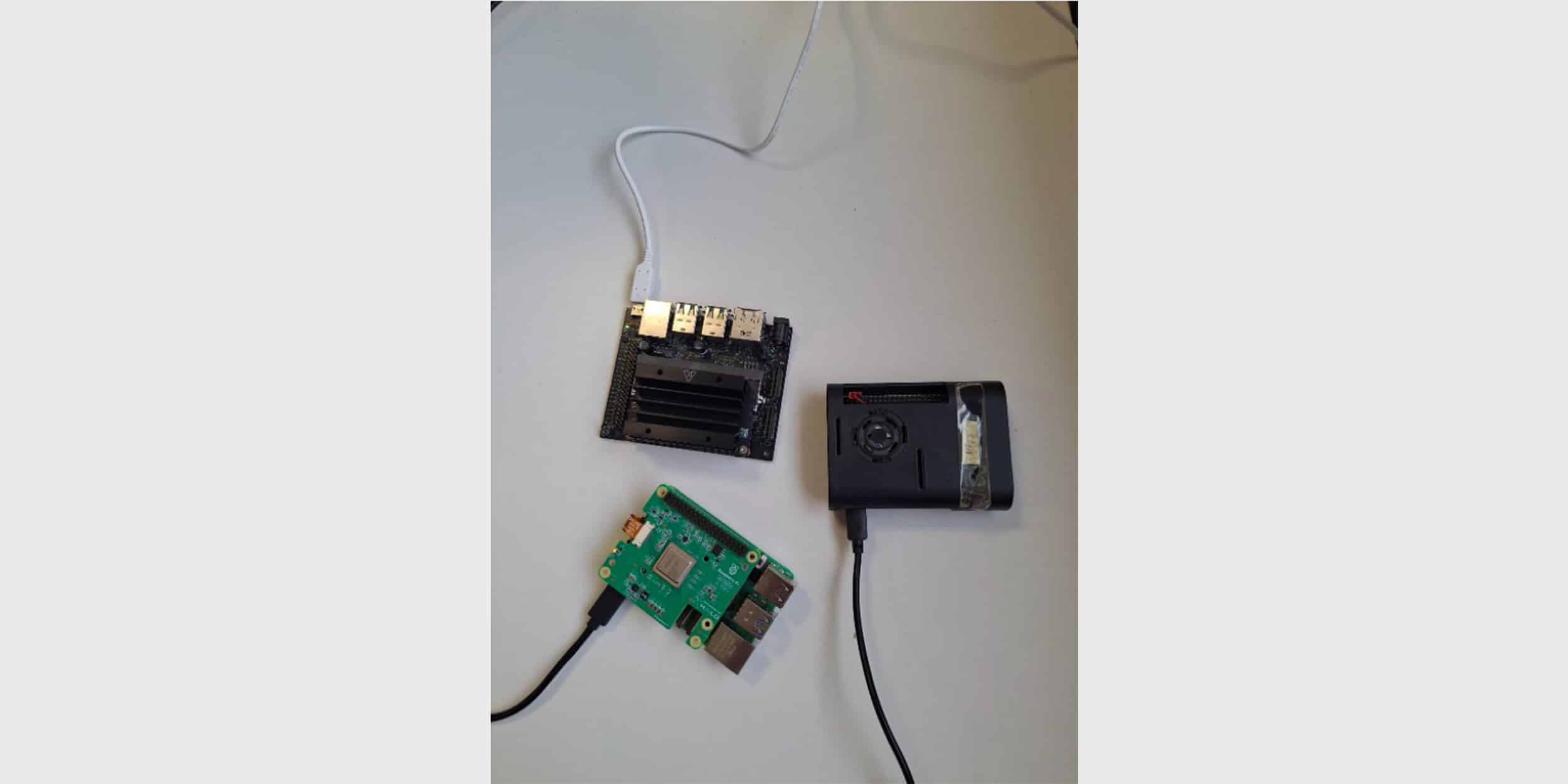
Figure 2
UC#3E.2: Ensuring Uninterruptible Power Supply for Fast EV Chargers
The initial phase for this use case involved identifying the charging stations (Figure 3) to be monitored and collecting historical data to calibrate the demand forecasting algorithms. Focus was placed on deploying the COP-PILOT tools that will support predictive maintenance and load forecasting. Additionally, investigations were carried out to identify effective, non-invasive methods for collecting high-frequency real-time voltage and current measurements from the chargers.
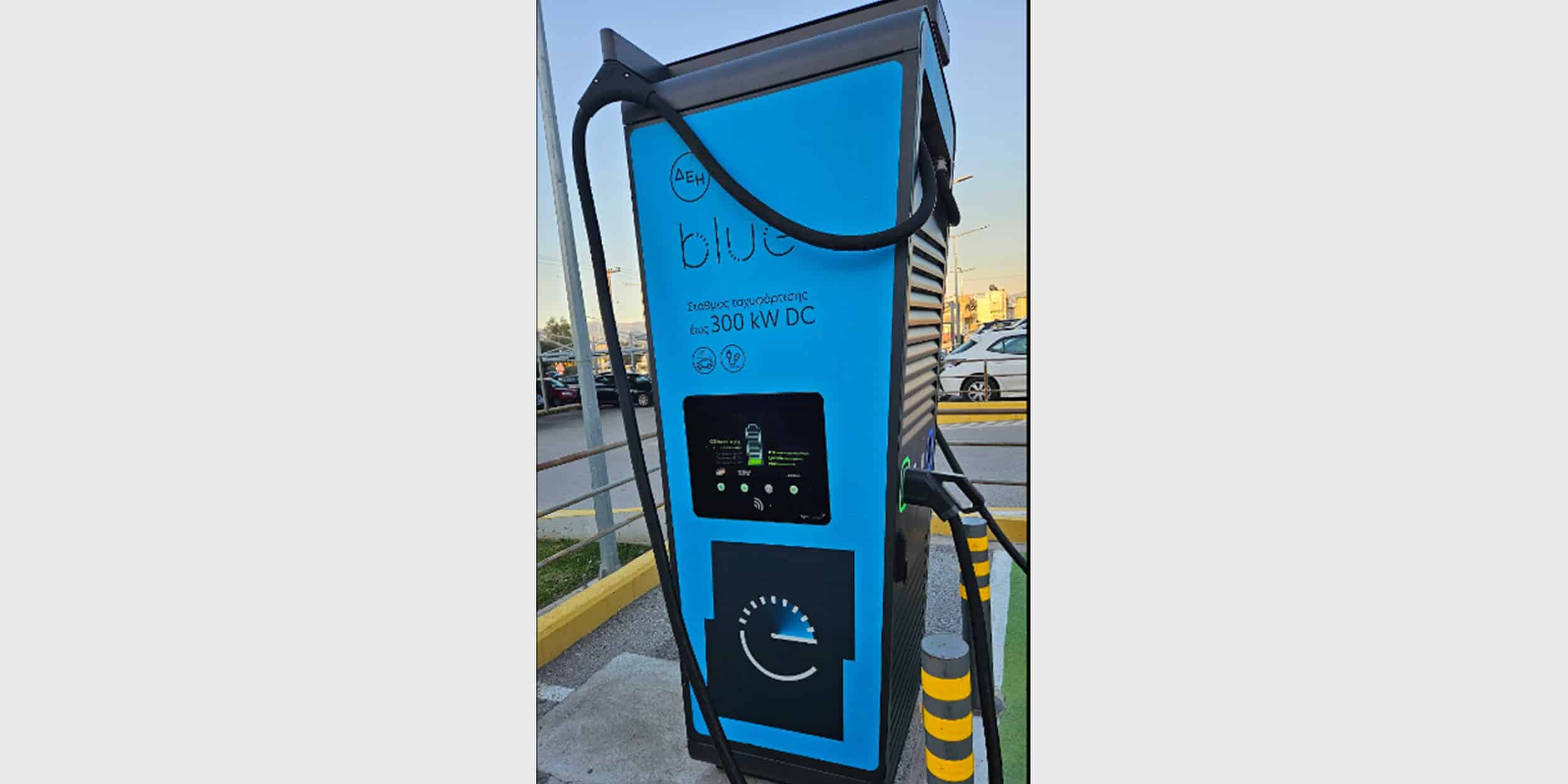
Figure 3
UC#3E.3: Predictive Maintenance and Monitoring of a Biogas Plant Operations
Preparatory on-site activities were run at Preveza Biogas 1 PC plant, focusing on adapting the existing infrastructure to support the integration of new monitoring equipment. These included initial work to extend the facility’s electrical panel (Figure 4). Once the electrical preparations were completed, the first type of sensor, the CPS11 pH sensor (Figure 5), was installed to enable real-time monitoring of key process parameters. In parallel, an Ewon Flexy gateway, a modular Industrial IoT device, was deployed to serve as the communication bridge between the sensors and the external systems. The team then configured the NVIDIA Jetson, which hosts the edge analytics component. After configuration and testing, the Jetson was deployed at the facility and installed inside the designated enclosure (Figure 6). This marked the crucial transition from initial infrastructure setup towards full operation of the edge-enabled data pipeline for the Biogas Power Plant.
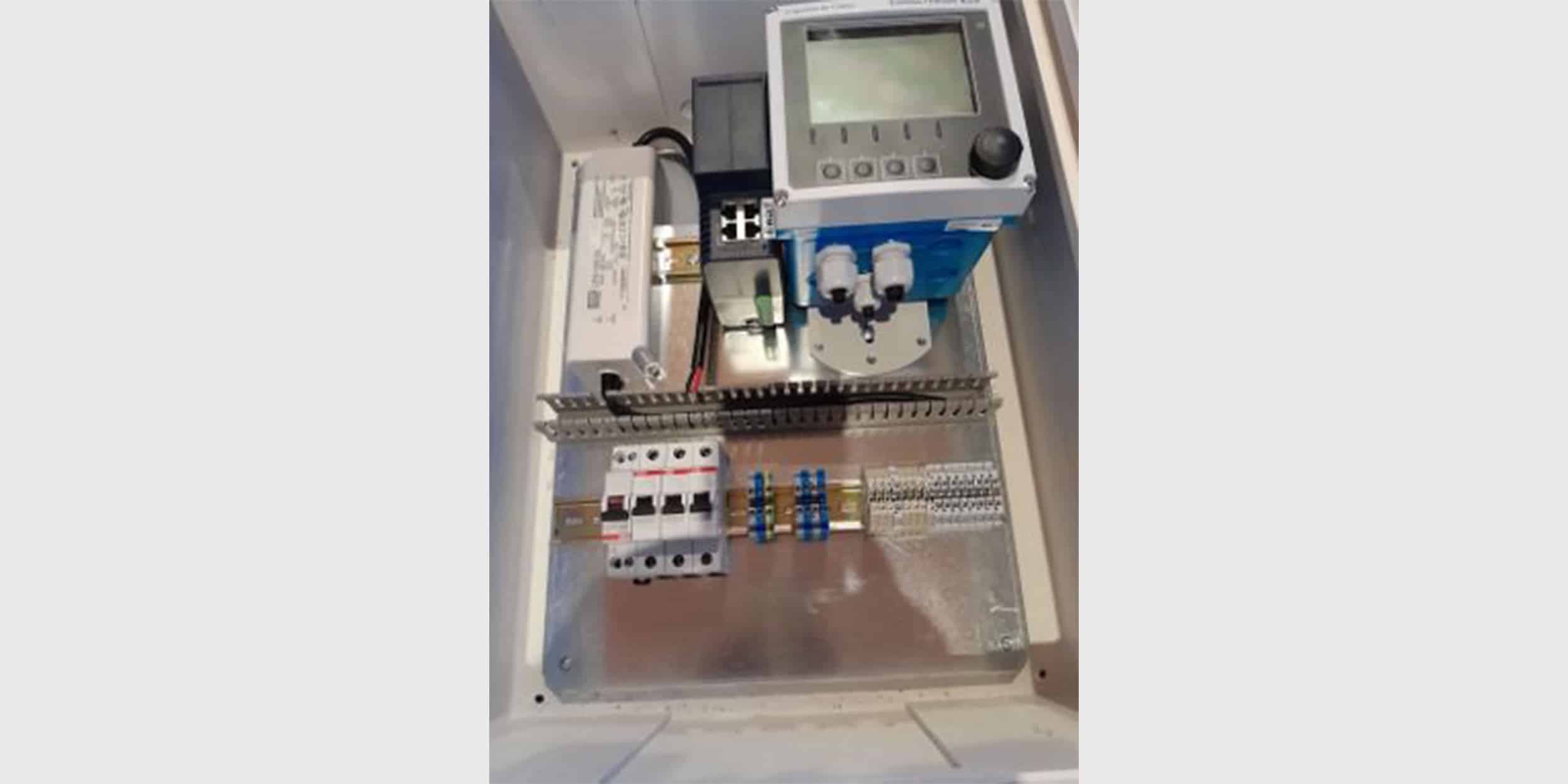
Figure 4
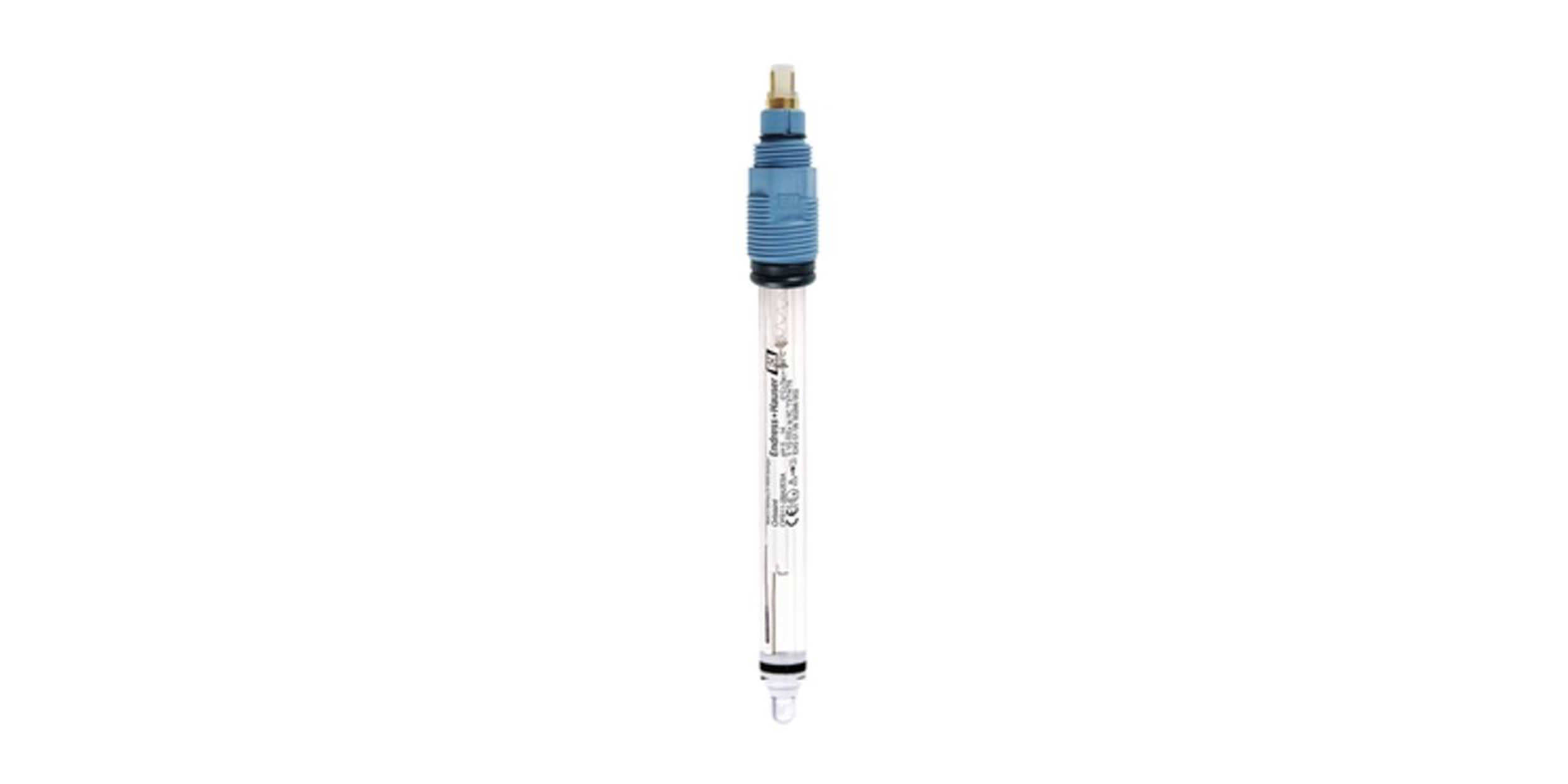
Figure 5
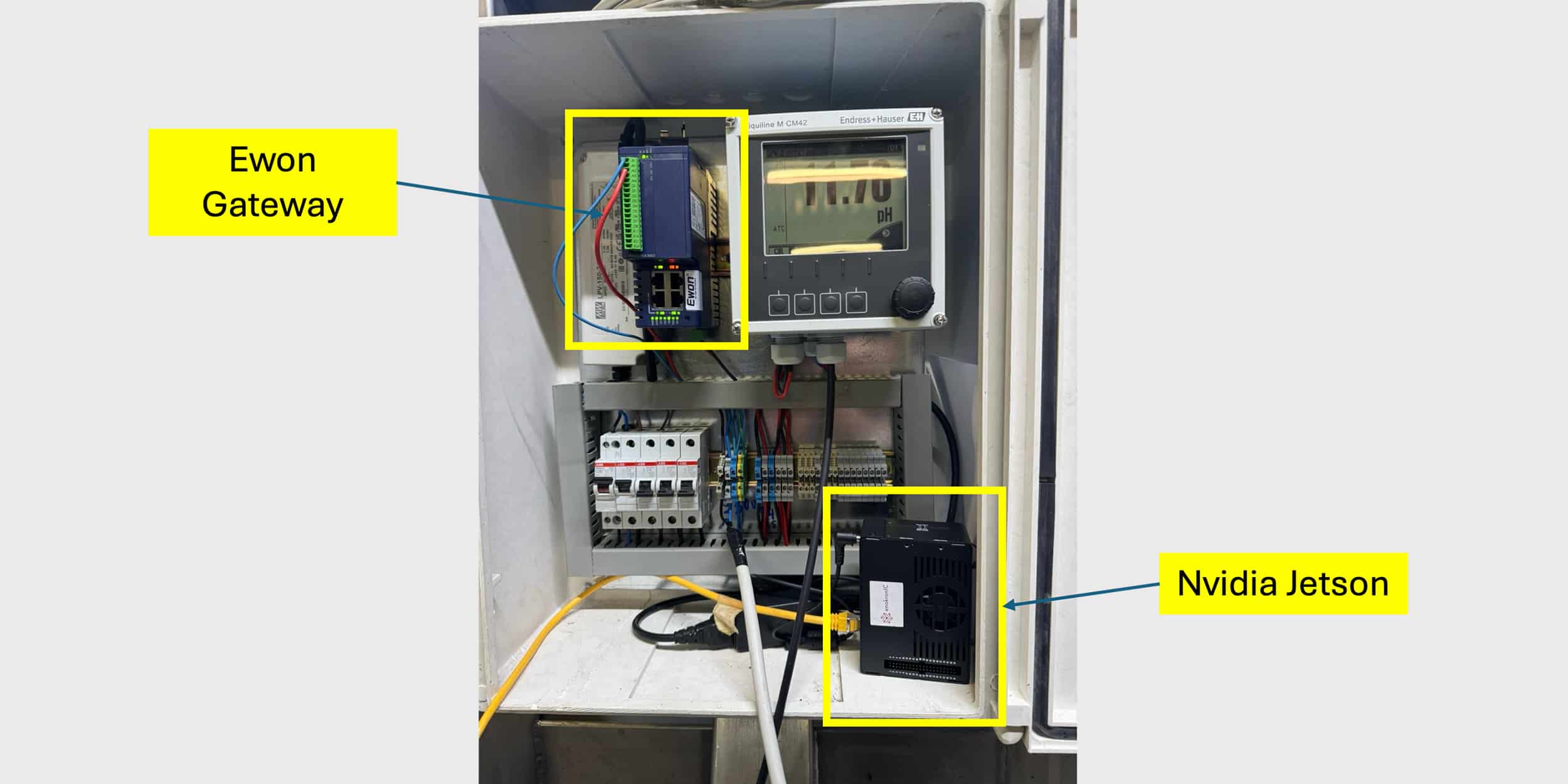
Figure 6
UC#3A.3 concentrated on establishing a secure and trustworthy foundation for data exchange across the agri-food value chain. Work commenced on the implementation of a multi-cloud infrastructure and the COP-PILOT orchestration layer to support interoperability across heterogeneous systems.
The groundwork for a blockchain-based mechanism using Hyperledger Fabric was laid to enable secure and immutable logging of critical field and supply-chain data. This included defining GDPR-compliant data access rules and developing initial interoperable APIs to connect field-level applications (such as AgroApps 360 and logistics platforms) with the secure infrastructure. These efforts ensured that data sovereignty, traceability, and trust were embedded by design across Cluster 3A use cases.
Strategic Outreach and Scientific Impact
Cluster 3E partners actively engaged the energy and AI communities, sharing their innovative approaches to grid reliability and flexibility.
In October 2025 (M10), enakronIC showcased cutting-edge research at the European Conference on EDGE AI Technologies and Applications (EEAI 2025). They presented the paper, “Model Optimization pipeline for hardware-aware trustworthy edge-residing AI: a grid reliability case study,” in the poster session. This work directly contributes to Use Case #3E.1, demonstrating a novel model optimization pipeline designed to enhance the reliability and performance of deep learning models on resource-constrained edge devices. The methodology ensures high prediction accuracy and robustness for tasks like the automated inspection of electricity grid insulators.
In November 2025 (M11), consortium partners attended the high-profile V2G Leaders Europe event in Brussels. Via a dedicated stand and poster, the team explored the integration of Vehicle-to-Grid (V2G) and bidirectional charging technologies within the Cluster 3E framework. This engagement successfully demonstrated how COP-PILOT’s energy initiatives directly support key European priorities, such as enhanced interoperability, flexibility, and resilience in energy infrastructure. The team also connected with complementary initiatives, including O-CEI Horizon and CEI-Sphere, fostering future collaboration opportunities in the energy sector.
The cluster is currently preparing a scientific paper for publication.
Looking Ahead
The sensor installation and infrastructure setup have built the foundation for Cluster 3E. The immediate next steps will be to fully leverage the newly established edge intelligence and data pipelines for real-time analytics and control. By enabling IoT-driven control of RES production, EV charging, and biogas generation, Cluster 3E is poised to deliver real-time flexibility services, proactive maintenance, and highly accurate forecasting, pushing Europe’s distribution grids towards greater sustainability and resilience.