


Throughout 2025, COP-PILOT’s Cluster 1 made decisive progress toward enabling a new generation of digital mining operations. By combining industrial IoT, edge computing, and secure edge-to-cloud orchestration, the cluster advanced from architectural preparation to concrete technical integration, testing, and validation across multiple mining use cases. In parallel, Cluster 1 strengthened its engagement with both the mining industry and the scientific community, ensuring that technical developments were aligned with real-world operational needs.
A core focus of Cluster 1 was the creation of a scalable and interoperable digital foundation capable of operating in the harsh and constrained environments typical of mining sites. Across all use cases, partners worked on integrating heterogeneous IoT devices, managing high-volume data streams, and orchestrating analytics workloads across edge and cloud resources securely and efficiently.
In the IoT Mining Seismics use case (UC#1.1), most efforts centred on preparing RockSigma AB’s seismic processing platform, the BEMIS System, for full integration with ColonyOS. This work enabled edge-to-cloud deployment scenarios tailored to the needs of mining operators, including advanced job orchestration and dynamic, automatic resource allocation. These capabilities were essential to cope with the highly variable data volumes and processing demands characteristic of seismic monitoring. The solution was also prepared to support multi-vendor seismic sensor networks, ensuring flexibility in real mining environments. Particular attention was given to the usability of the BEMIS Quake Monitor, a real-time application used by mine operators to interactively explore seismic data, identify event sequences, and detect emerging trends.
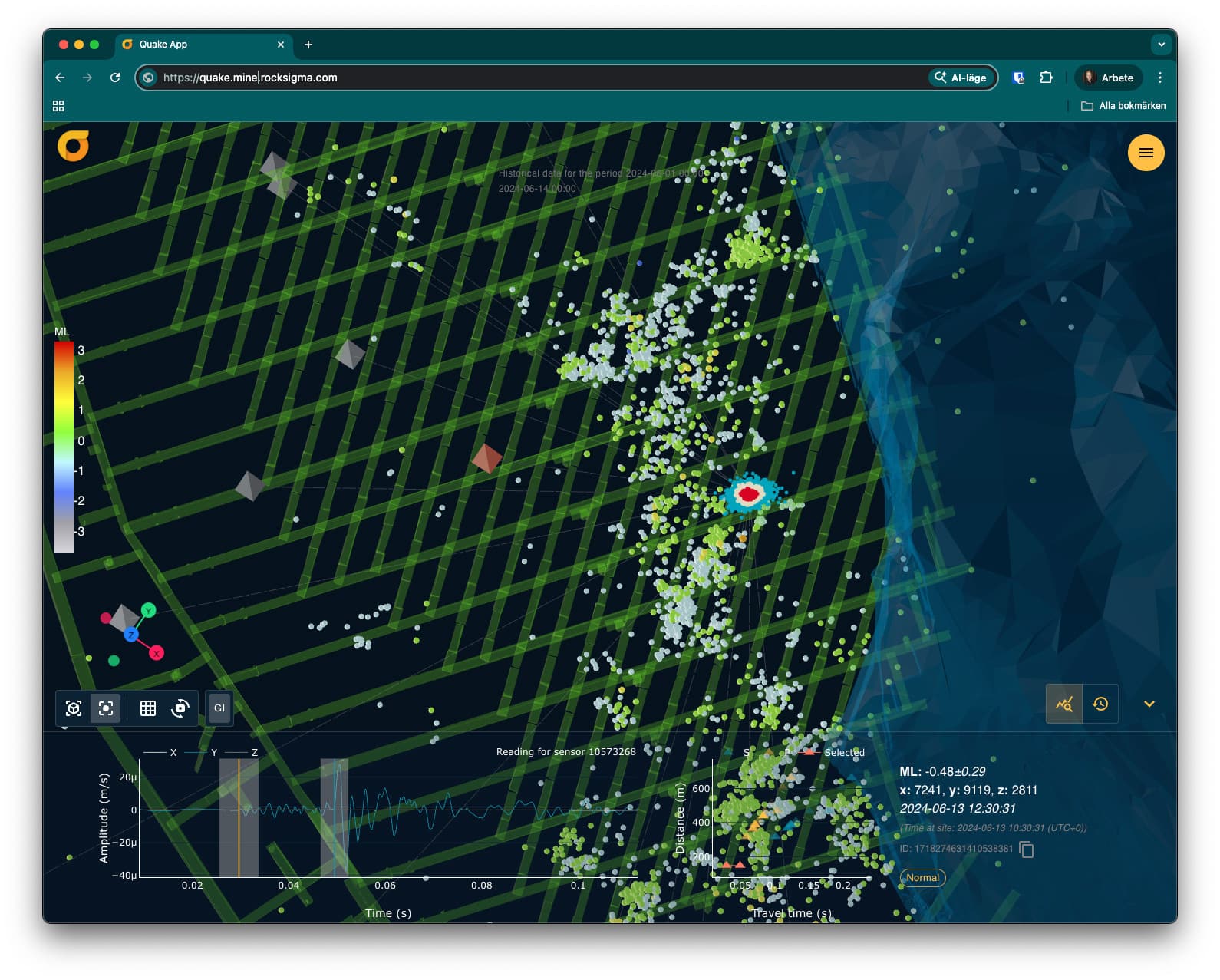
Figure 1: Example of the RockSigma BEMIS Quake Monitor application
For the Logistics IoT use case (UC#1.2), the primary focus was the integration of the ThingWave IoT Platform into the Cluster 1 ecosystem using Eclipse Arrowhead. This integration enabled bidirectional data exchange between ThingWave Nucleus and the broader COP-PILOT platform, allowing positional, seismic, and sensor data to flow into an Arrowhead local cloud. New sensor types were integrated, with a particular emphasis on seismic sensors, creating synergies with the seismic monitoring use case. Work also progressed on data visualisation and AI-based processing, alongside updates to ThingWave’s edge gateways to support new underground tracking devices.
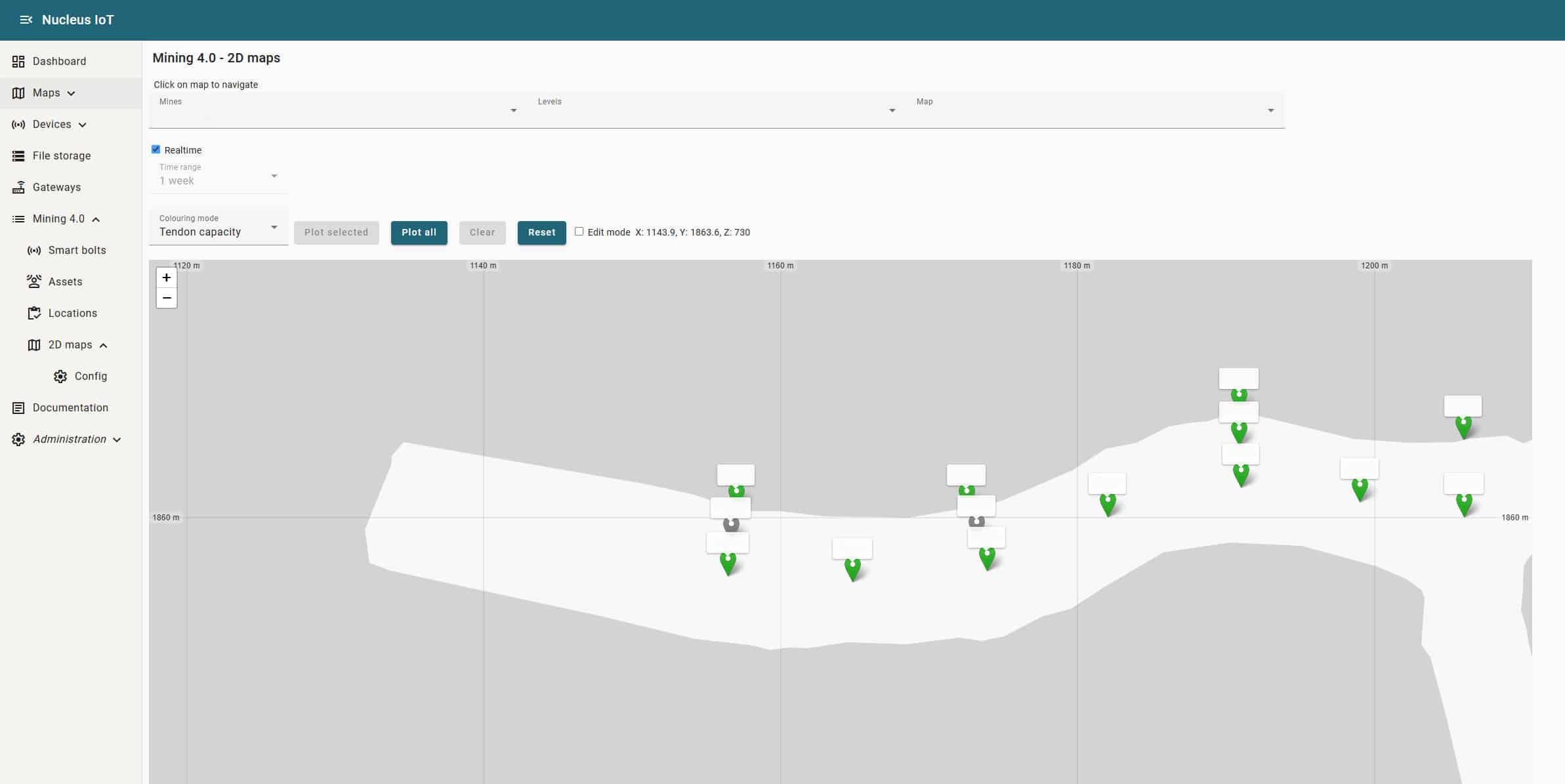
Figure 2: Screenshot of the map system developed within UC1#1.2 to support mass deployment of smart rock bolts.
A major technical achievement within this use case was the development of a robust underground positioning solution based on smart rock bolts (RBM-VX) and Mesh Tags. The smart rock bolts formed a wireless sensor network in underground tunnels, enabling Mesh Tags to determine their location by analysing proximity information from nearby bolts. This data was processed by ThingWave Nucleus to provide real-time asset positioning, even in areas with limited wireless connectivity. The solution was tested in real underground mining environments, validating both its technical feasibility and scalability. The automated installation capability of the RBM-VX rock bolts proved particularly significant, as it eliminated the need for manual installation and enabled large-scale deployment.
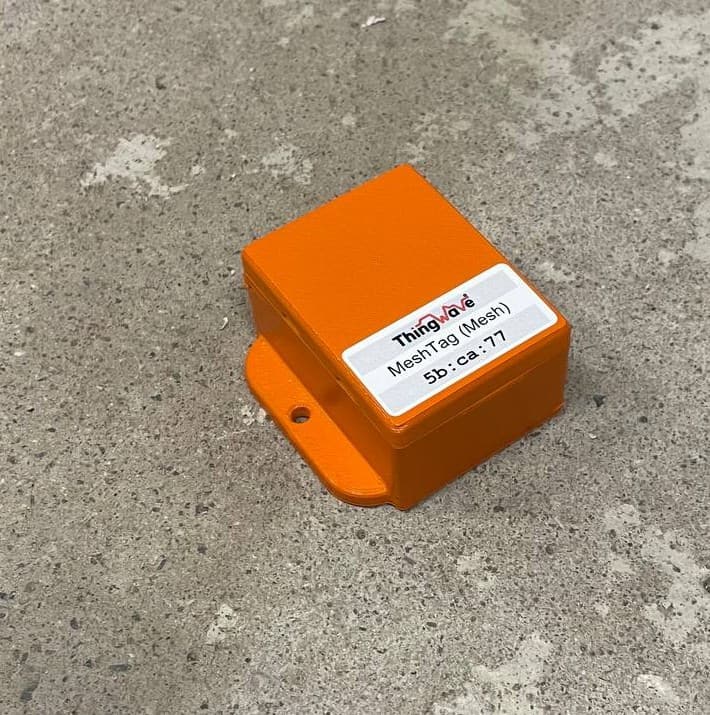
Figure 3: The physical holder for the first version of the Mesh Tag was developed for underground asset tracking in the Use Case.
ThingWave also performed two smaller tests in real underground mining environments to evaluate the Smartbolt solution, gather feedback from experts at mining companies, and assess the feasibility of mass deployment. Figure 4 shows an installed RBM-VX smart rock bolt in the ceiling of an underground mine tunnel. Figure 5 shows two RBM-VX devices mounted on rock bolts before installation in a mine. The RBM-VX can be installed using an automatic bolting machine, requiring no manual work. This capability enables scalable deployment, whereas today’s geotechnical sensors typically require manual installation.
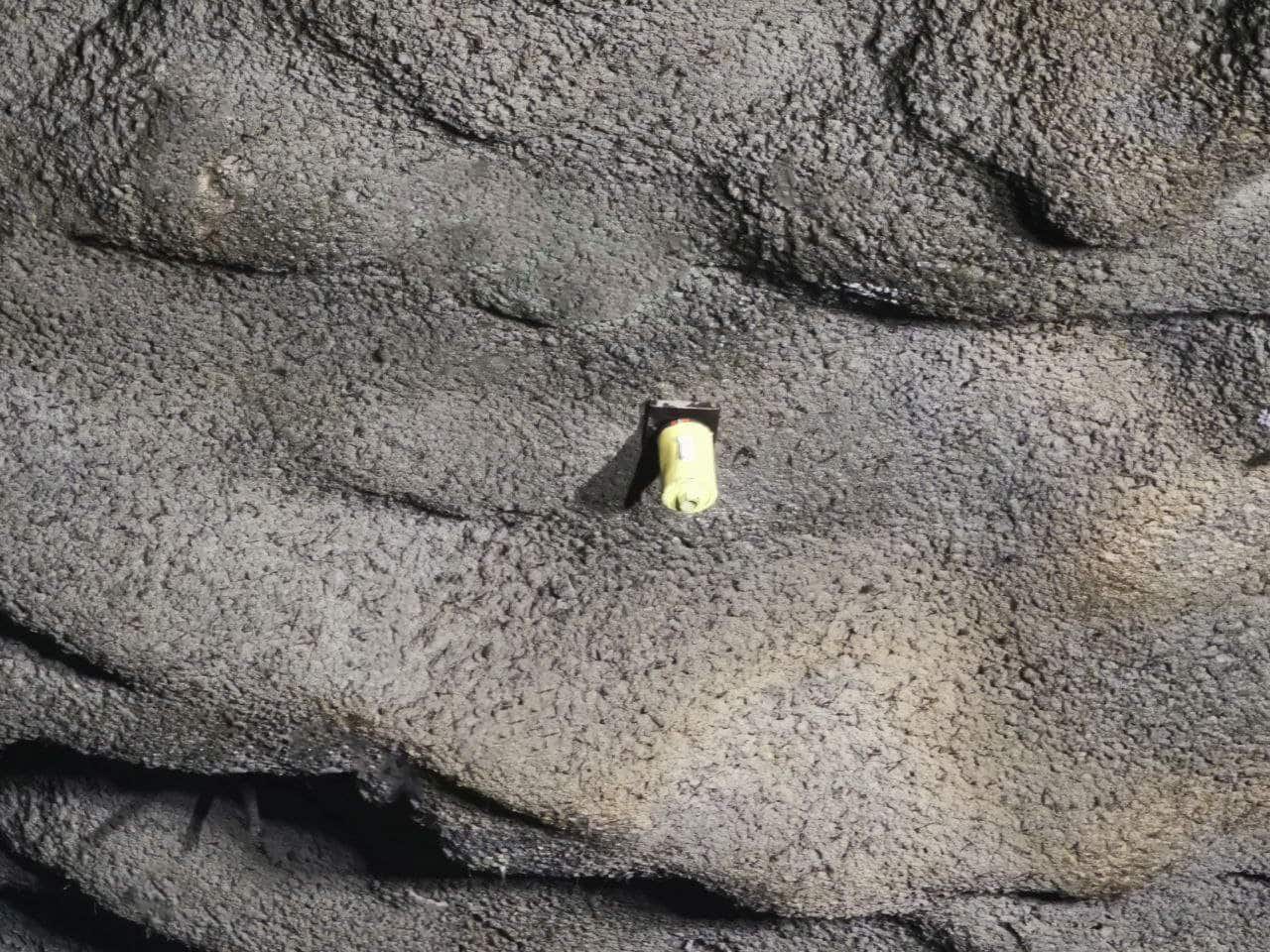
Figure 4: Example of an RBM-VX smart rock bolt installed in the ceiling of an underground mining tunnel.
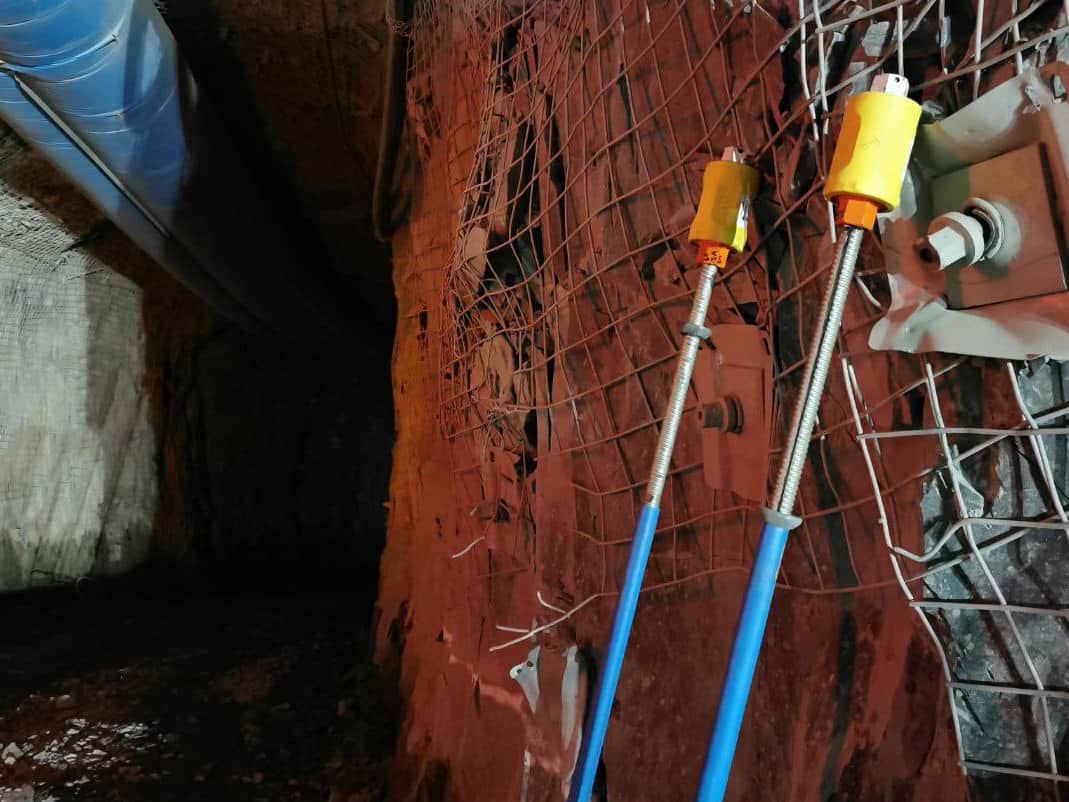
Figure 5: RBM-VX mounted on a rock bolt before test installation in an underground mine environment.
In the Condition Monitoring and Predictive Maintenance in Mining use case (UC#1.3), HOSCH worked closely with Predge to define the data transmission and management approach for monitoring conveyor belt systems. Together with RISE, a test-bed strategy was developed to establish data flows across multiple cloud environments, complemented by an additional test environment aligned with HOSCH’s R&D infrastructure. To maximise the value of collected data, the data acquisition concept was re-engineered, resulting in a newly designed scraper-based measurement device capable of capturing higher-resolution belt-surface data.
Given the high sampling rate of the system (measuring conveyor belts at 100 Hz per belt) significant data volumes were generated. To address this, several edge computing and data logging solutions were evaluated, leading to the identification of hardware suitable for real industrial deployments. In parallel, a conveyor belt simulator was developed, allowing realistic modelling of belt length, drum configurations, and segment numbers. This simulator made it possible to generate diverse belt scenarios and validate the scalability mechanisms required to handle continuous high-frequency data streams.
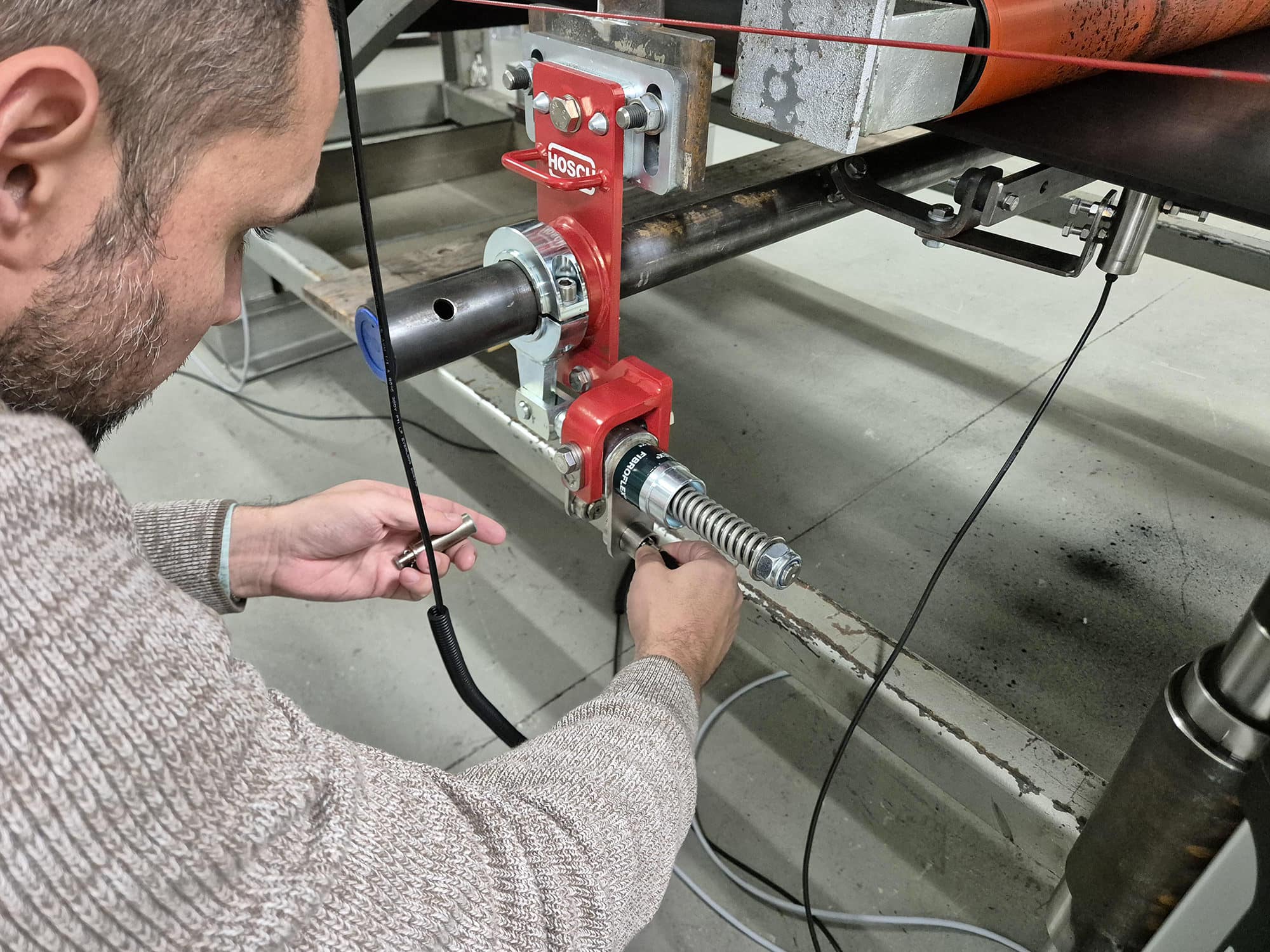
Figure 6: Connecting a newly designed measurement device for higher-quality data signatures
The activities under the fourth use case, IoT-Cloud-Edge Continuum for Digital Mines (UC#1.4), focused on developing an integrated prototype that combined ColonyOS with the Eclipse Arrowhead framework. This approach allowed mining systems to benefit from ColonyOS’s support for orchestration across the edge-cloud continuum while leveraging Arrowhead’s microservice-based architecture. The ColonyOS user interface was further tailored to support application and service deployment behind firewalls, addressing common security constraints in mining infrastructures. In addition, a virtual testbed at RISE ICE was established to enable sandboxed testing of systems originating from UC#1.1 through UC#1.3.
Industry and Scientific Engagement
Alongside its technical progress, Cluster 1 actively engaged with industry and research communities to disseminate results and validate solutions in real-world contexts.
Partners HOSCH and Predge participated in bauma 2025, the world’s largest trade fair for the construction and mining industry. At the event, they showcased IoT devices and an edge-to-cloud approach for collecting and analysing industrial data, with a particular focus on improving the availability and uptime of mining logistics infrastructure such as conveyor belts. Direct interaction with mining operators and end users provided valuable feedback and confirmed the practical relevance of COP-PILOT’s solutions.
The same two partners presented at the Colloquium on Conveyor Belt Systems and their Elements. They showcased a novel approach for creating a conveyor belt digital twin and fingerprint to predict belt splice failures using edge-to-cloud data. The event offered a valuable platform to discuss this solution and gather feedback from a broad range of industrial companies.
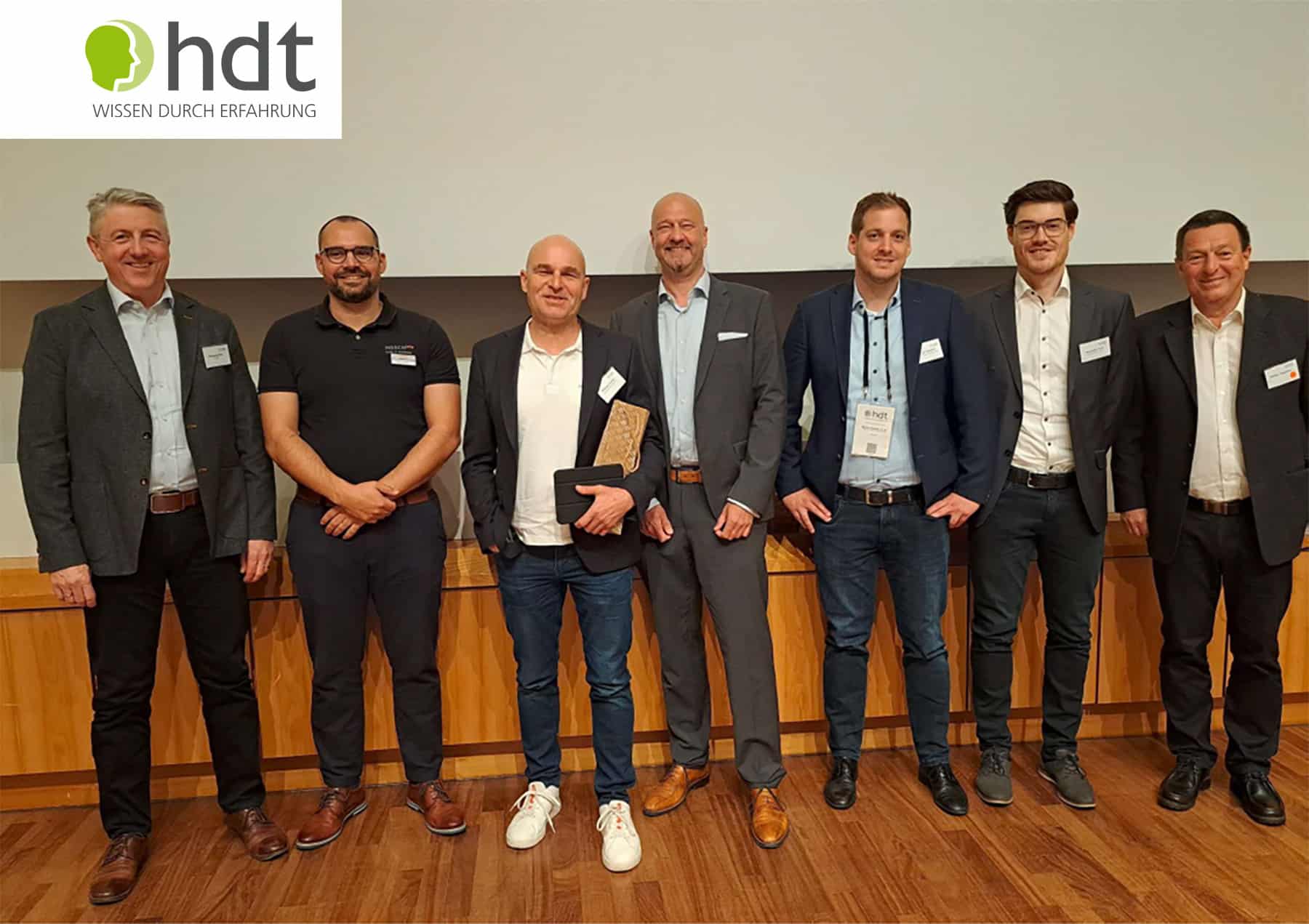
Figure 7: Partners from Hosch and Predge
The cluster also contributed to advancing scientific research in the edge-cloud continuum. Researchers from Luleå University of Technology (LTU) presented work at the IEEE International Conference on Industrial Cyber-Physical Systems (ICPS 2025) on carbon-aware scheduling for cyber-physical systems. The research addressed automated workload placement across the edge-cloud continuum by balancing energy consumption, temporal variations in carbon intensity, and resource availability. These capabilities are very relevant to compute-intensive analytics such as seismic data processing in UC#1.1.
Further dissemination followed at the IEEE International Conference on Cloud Engineering (IC2E 2025), where LTU presented ColonyOS as an open-source meta-operating system capable of coordinating distributed workloads across heterogeneous computing environments. The presentation drew on practical experiences from industrial deployments, including real-time seismic monitoring at RockSigma AB and integration with EuroHPC resources, highlighting the flexibility required for advanced mining analytics.
Industry outreach continued with ThingWave AB’s participation at IMARC 2025, a major global event for mining professionals. At the conference, ThingWave showcased COP-PILOT solutions for ground support monitoring, combining AI and IoT to deliver real-time situational awareness through rock mass displacement sensors. Engagement with a global audience of mining stakeholders reinforced COP-PILOT’s role in advancing smart, interoperable, and safety-oriented digital solutions for the mining sector.
Looking Ahead
By the end of 2025, Cluster 1 had established a strong technical and operational foundation for digital mining within COP-PILOT. Core platforms such as ColonyOS, Eclipse Arrowhead, and FIWARE-compatible data flows were integrated, edge-to-cloud orchestration mechanisms were validated, and multiple industrial use cases progressed toward real-world applicability.
Building on this momentum, the next phase will focus on expanding pilots, refining scalability and automation mechanisms, and deepening integration across use cases. With its combination of industrial validation, advanced research, and interoperable platform development, Cluster 1 is well-positioned to deliver secure, scalable, and sustainable digital solutions for the future of mining.